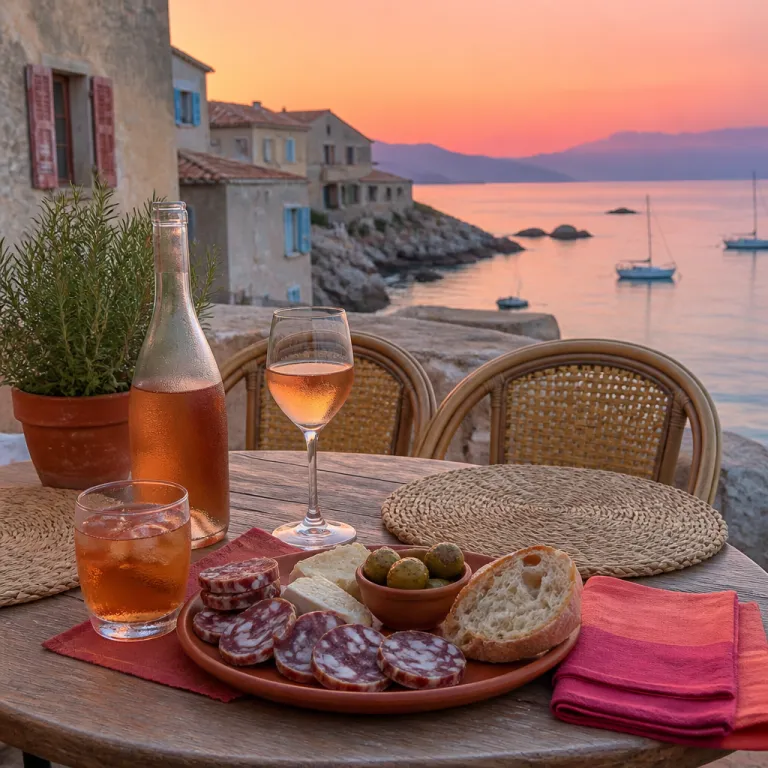
Cap Corse in the glass: the Corsican aperitif as a quiet ritual
Between 5:00 PM and 7:00 PM, the island’s aperitif hour shapes the evening rhythm in Corsica’s bars and harbour cafés. In ports from Bastia to Calvi, locals and travelers lean into this slow transition from heat to night, letting the first glass of Corsican alcohol mark the shift from beach to dinner. The pre-dinner drink often stretches well beyond a single round, which means you have time to understand how this classic French habit reveals the island’s character.
At the heart of the experience sits Cap Corse Mattei, the amber Corsican aperitif based on fortified wine infused with quinquina and local herbs. Officially, “What is Cap Corse? A Corsican aperitif made from fortified wine and quinquina.”, and that simple definition hides a complex bittersweet profile with orange peel, cinchona bark and subtle spice. In its red version, known as Cap Corse Mattei rouge, you taste deep caramel notes and a gentle bitter orange finish that pairs well with cured meats.
The white expression, known as Cap Corse Mattei blanc, leans brighter and more citrus driven, with floral notes that echo muscat vermentinu from northern vineyards. Many bars in Corsica will list both red and white on the chalkboard, sometimes written as Cap Corse blanc or Cap Corse rouge, and the bartender will ask whether you prefer contrast between the two or a single style. When you hear someone order a Cap Corse Mattei, they are usually asking for the red Cap Corse Mattei over ice, traditionally enjoyed with a slice of lemon and a splash of tonic water.
Locals know that this French aperitif was created by Louis Napoléon Mattei in Bastia, and you still feel that heritage in the old Mattei shop near the Vieux Port, now home to the Maison Mattei museum and boutique. The story of how Napoléon Mattei experimented with quinquina and cinchona bark to stabilise wine for long sea voyages is often retold at the counter, especially when bartenders explain the original recipe to curious visitors. When you sit down, simply ask for “un Cap Corse Mattei, rouge” or “un Cap Corse Mattei, blanc” and let the bartender guide you through the bittersweet profile that has defined the island’s aperitif culture for generations.
Where to sit: harbour bars, village squares and hotel nights
If you are booking a luxury stay, plan your evenings so the island’s aperitif ritual in local bars and cafés frames your nights rather than your hotel bar. In Bastia, head to the Vieux Port terraces below the citadel, where glasses of Cap Corse Mattei line zinc counters and the light catches every red reflection in the ice. Classic spots include Café des Gourmets on the harbour and the long-standing Bar de la Marine on Quai des Martyrs, where regulars mix with visitors under striped awnings.
Ajaccio’s waterfront cafés near the Quai Napoléon offer a similar scene, with white parasols, low murmur of conversation and the occasional clink of a classic French cocktail shaker. In Bonifacio, the marina is ideal for a later aperitif, when the limestone cliffs turn rouge and the first yachts switch on their deck lights. Here, order Cap Corse Mattei with tonic water or simply on the rocks, and pair it with a plate of olives and beignets de courgette while you watch the comings and goings of ferries and fishing boats.
In Calvi, the bars along the Quai Landry pour both Cap Corse Mattei rouge and Cap Corse Mattei blanc, and you will often see a red white duo on tables where couples share sips to compare notes. Le Café des Fleurs, facing the bay, is known for its generous charcuterie plates, while nearby terraces specialise in chilled Pietra beer for those who prefer something lighter. Porto Vecchio’s old town squares offer a slightly different mood, more village than port, where a Corsican aperitif might arrive alongside a small carafe of local wine for the table.
Here, the bittersweet profile of Cap Corse Mattei sits comfortably next to a glass of muscat vermentinu from nearby vineyards, giving you a snapshot of Corsica in two pours. If you are choosing where to stay, look for elegant hotels in Corsica that sit within walking distance of these squares, so you can leave the car behind and follow the flow of locals from terrace to restaurant when planning refined hotel options near vibrant evening streets. For couples, the key is to separate where you sleep from where you sip, using your hotel as a quiet retreat after the social energy of the evening circuit.
What to order: Cap Corse, Pietra beer and the art of pairing
Once seated, the pre-dinner drink ritual becomes a quiet negotiation between mood, weather and appetite. On hot evenings, many locals skip heavier alcohol and begin with a chilled Pietra beer, brewed with chestnut flour in Furiani and poured in both classic and seasonal versions. The flagship Pietra has malty notes that echo roasted chestnuts, while the lighter Colomba white and Serena amber offer softer, more floral profiles that pair well with fried snacks.
If you want to stay close to tradition, start with Cap Corse Mattei before moving to beer or wine, letting the quinquina based aperitif open your palate. Ask the bartender to explain the difference between Cap Corse Mattei rouge and Cap Corse Mattei blanc, and you will often hear about subtle notes of cocoa, bitter orange and dried herbs in the red, versus citrus zest and white flowers in the blanc. Some bars even propose simple cocktail twists, such as Cap Corse Mattei with tonic water and a slice of orange, which stretches the bittersweet profile into a longer, more refreshing drink.
Wine lovers should pay attention when a chalkboard lists muscat vermentinu by the glass, because this local white can echo the aromatics of Cap Corse Mattei blanc while remaining drier and more mineral. For a deeper dive into what is in your glass, plan a day trip to Patrimonio and the surrounding appellations, using a detailed guide to Corsica’s nine wine regions as your reference point when exploring the island’s structured wine landscape. Back at the bar, you will recognise how the same hills that produce structured red wine also supply the botanicals that shape your French aperitif.
Do not ignore the food dimension, because in Corsica the aperitif is always about what sits beside the glass. Expect charcuterie boards with lonzu, coppa and prisuttu, small plates of brocciu stuffed peppers, or simple bowls of olives that work well with both red and white Cap Corse Mattei. When you see locals linger over a second round, they are not rushing toward dinner but stretching the social gathering, letting each plate and pour slow the evening into something that feels both casual and quietly choreographed.
Codes of the Corsican aperitif: pace, conversation and seasonal nuance
Understanding the unspoken rules of the island’s aperitif culture will make you feel less like a visitor and more like a temporary neighbour. Arriving alone is perfectly normal, and you will see many locals take a stool at the counter, order a Corsican aperitif and exchange a few words with bartenders before settling into their phones or newspapers. The event is officially a social gathering, but the social pressure is light, and the real constant is the slow pace rather than any expectation to perform.
Conversation tends to orbit around local gossip, summer traffic, the state of the maquis and the latest restaurant openings, while politics remains a subject handled with caution unless you are invited in. If you are curious about the drink itself, this is the right moment to ask about the recipe, because bartenders enjoy explaining how quinquina from cinchona bark, bitter orange peel and other botanicals create the bittersweet profile of Cap Corse Mattei. Many will mention that it was created by Louis Napoléon Mattei, and some still refer to it affectionately as Napoléon Mattei when they talk about the old labels and family history.
Season matters, and in high summer the terraces fill early, so follow local advice and visit local bars early to secure seating before the heat softens into evening. In shoulder seasons, the same bars feel more intimate, and you can pay closer attention to the way red and white Cap Corse Mattei are traditionally enjoyed, sometimes neat in small glasses, sometimes lengthened with tonic water or even a splash of sparkling water. For a deeper sense of how this ritual fits into the island’s broader art de vivre, read about the maquis as a luxury state of mind and notice how that philosophy extends from hotel choices to what you order at the counter when exploring the maquis driven approach to Corsican luxury.
For couples planning a premium stay, think of aperitif hour as the anchor of your daily itinerary, not an afterthought squeezed between beach and dinner. Choose hotels that respect this rhythm, allowing you to walk out at 5:30 PM, sit among locals, taste both Cap Corse Mattei rouge and Cap Corse Mattei blanc, then return to a quiet room once the squares empty. That simple pattern will teach you more about Corsica than any checklist of sights, and it begins with a single glass of Cap Corse Mattei raised at the right bar, at exactly the right time.
FAQ
What is Cap Corse and how is it served in local bars ?
Cap Corse is a Corsican aperitif made from fortified wine infused with quinquina from cinchona bark and local botanicals, produced by the Mattei house in Bastia. In local bars, it is usually served as Cap Corse Mattei rouge or Cap Corse Mattei blanc, either neat in a small glass, over ice with a slice of citrus, or lengthened with tonic water for a lighter, bittersweet profile. When you order, simply ask for red or white Cap Corse Mattei and let the bartender suggest the best garnish and serving style for the season.
When is aperitif hour in Corsica and how long does it last ?
Aperitif hour in Corsica typically begins around 5:00 PM and runs until about 7:00 PM, though in busy summer towns the atmosphere often stretches closer to dinner time. Many guests linger over their drinks, reflecting an unhurried approach to this daily ritual rather than a quick stop. Plan your hotel schedule so you are free during this window, allowing enough time for both a first Cap Corse Mattei and perhaps a Pietra beer or glass of wine before moving on to dinner.
What are the most common drinks ordered during aperitif hour ?
The most common orders during aperitif hour are Cap Corse Mattei in its red or white versions, Pietra beer brewed with chestnut flour, and simple glasses of local wine such as muscat vermentinu. Some guests choose classic French cocktail variations based on Cap Corse Mattei, lengthened with tonic water or soda to highlight the bittersweet notes of quinquina and bitter orange. You will also see occasional orders of Cedratine, chestnut liqueur or myrtle liqueur, especially later in the evening when the aperitif shades into digestif territory.
Is it acceptable to go alone to a bar for the Corsican aperitif ?
Going alone to a bar for the Corsican aperitif is entirely normal and socially accepted, especially in port towns and village squares. Many locals stop by their regular bar on the way home, order a single Cap Corse Mattei or beer, and spend half an hour reading, checking messages or exchanging a few words with bartenders. As a visitor, you can comfortably do the same, using the solo moment to observe the rhythm of the place and better understand how this daily social gathering shapes community life.
Which foods usually accompany drinks during aperitif hour ?
Typical food accompaniments include charcuterie boards with local cured meats, small plates of cheese, olives, beignets de courgette and sometimes brocciu stuffed peppers. These dishes are designed to work well with both red and white Cap Corse Mattei, Pietra beer and local wine, balancing the bittersweet profile of the drinks with salt, fat and gentle spice. In more traditional bars, you may also find simple toasts with tapenade or fig jam, which underline the link between the island’s produce and its aperitif culture.