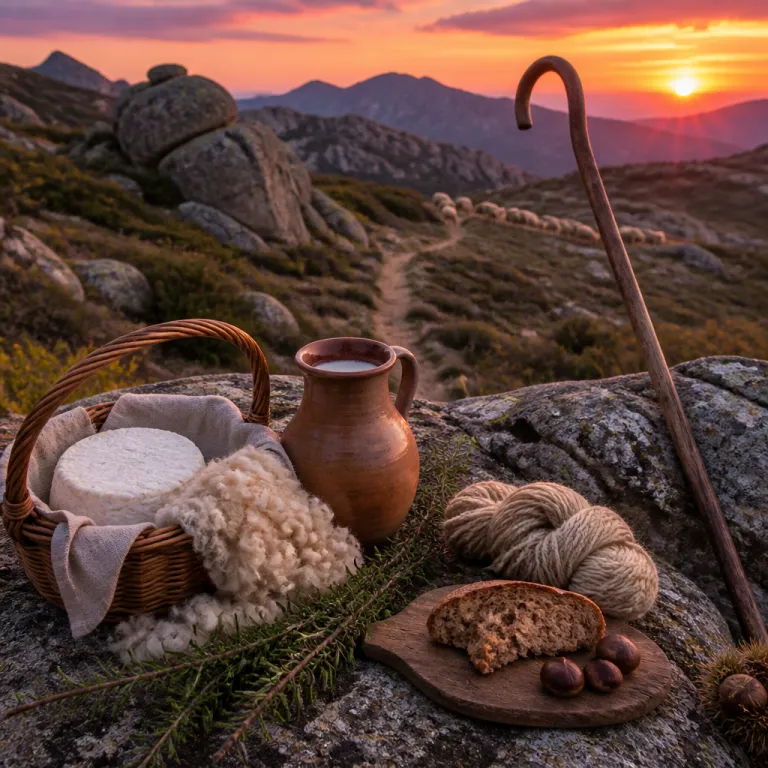
Transhumance in Corsica: a living mountain ritual
Every early summer, Corsican shepherds leave the lowland pastures and guide their flocks towards the high mountain bergeries. This seasonal Corsica transhumance mountain shepherd bergerie movement follows a marked trail of about 76.2 km, with an elevation gain of roughly 3,630 m, and it shapes the quiet luxury of any inland trip on the island. For travelers used to coastal resorts, stepping into this long distance pastoral adventure feels like entering a parallel corse where time bends around the rhythm of sheep and goats.
The official transhumance trail begins near Calenzana in northern Corsica and climbs through a sequence of mountain stage villages that feel a world away from Porto-Vecchio’s marinas. Regional authorities and the Parc Naturel Régional de Corse have marked the navigation with purple and orange signs, turning an ancestral route into a readable hiking tour while keeping its working soul intact. As one local explanation puts it without embellishment, “What is transhumance? Seasonal movement of livestock between pastures.”
From June, the herds move uphill to fresh plateau grasslands above 1,000 m, then return in September as the season cools and the coastal heat softens. This is the best time for travelers who want to visit Corsica beyond the beach, because the mountain is alive with movement yet still calm enough for reflective hiking. If you plan a Corsica hiking trip around this period, you will share the trail with working dogs, shepherds carrying the traditional staff, and families tracing the same etape their grandparents walked.
Walking the shepherds’ path: trails, refuges and bergeries
For fit couples who enjoy hiking, the Corsica transhumance mountain shepherd bergerie route offers a softer alternative to the famous GR20 while still feeling haute montagne. The trail is broken into manageable stage sections, each etape linking villages, bergeries and the occasional refuge where you can pause between ascents. Because this is a working landscape rather than a curated attraction, your experience will depend on reading the mountain, respecting livestock and accepting that comfort comes in simple, well chosen doses.
Key highland areas such as the Niolo valley, the Coscione plateau above the Aiguilles de Bavella and the Ascu valley each offer a different Corsican character. Niolo feels like the spiritual heart of pastoral Corse, with stone bergeries scattered above the villages and a sense that every trail leads to a flock, while Coscione is a wide, almost Nordic plateau where marshy mare and granite slabs host both hiking and gentle mountain biking. Ascu, by contrast, is steeper and more dramatic, better suited to experienced hikers who will accept rougher paths in exchange for sharper peaks and quieter nights.
Along these routes you will encounter classic refuges such as Petra Piana and Ciottulu di i Mori, which sit on the GR20 but influence the wider Corsica hiking culture. While they are not luxury properties, each refuge offers a different kind of comfort — hot showers when water reserves allow, simple dorms or tent pitches, and hearty meals that taste better after a long distance climb. To deepen the inland rhythm, consider pairing a few refuge nights with a stay in a village inn featured in our guide to a week in a Corsican village, which shows how café terraces and mountain silence can frame a very different kind of luxury trip.
Bergerie hospitality: cheese, seasons and respectful encounters
The essence of the Corsica transhumance mountain shepherd bergerie experience lies in the bergeries themselves, those stone shelters where shepherds live for three months each summer. Above 1,000 m, these simple buildings become both home and dairy, turning high pasture milk into tomme that will age through the warm season while the flocks graze the mountain slopes. Winter in the lowlands brings a different rhythm, and that is when brocciu, the fresh whey cheese, appears on tables while the tomme rests quietly in cellars.
Some bergeries now welcome travelers for rustic meals, though this remains a privilege rather than a guaranteed service. In many valleys, the best approach is to ask at the village café or the local tourist office whether a particular bergerie offers lunches or dinners during peak season, because protocols vary between families and between Corsican micro regions. When you arrive, treat the bergerie as both workplace and home ; wait to be invited to sit, keep gates closed behind you and remember that your adventure is intersecting with someone’s livelihood, not a staged performance.
The food connection is where inland Corsica best reveals its depth to luxury travelers who usually focus on coastal gastronomy. Summer tommes from Niolo or the Coscione plateau carry the imprint of wild herbs, while charcuterie reflects pigs that have foraged chestnuts lower down earlier in the year, and both pair beautifully with the refined menus now emerging in places like Porto-Vecchio’s gastronomic scene, explored in our feature on Porto-Vecchio’s gastronomic spring. To time your inland stay with the island’s culinary calendar, consult our guide to Corsican food festivals this summer, then plan a mountain stage before or after a coastal feast.
Planning a refined inland stay: from Cap Corse to Porto-Vecchio
Designing a luxury trip around the Corsica transhumance mountain shepherd bergerie routes means accepting that your days may be rugged while your nights remain indulgent. The best time for this balance is early or late in the peak season, when the mountain air is softer yet the herds are still on the move and the island has space for reflection. Many highland auberges now offer refined rooms, hot showers and thoughtful wine lists, allowing you to walk a demanding trail by day and return to crisp sheets and quiet service by night.
Navigation in these areas still requires care, even for experienced hikers used to offline maps and well marked routes elsewhere in Europe. While the transhumance trail is signposted, weather can change quickly in the haute montagne and you will need sturdy boots, layered clothing and enough water for each stage, especially on long distance sections between villages. Families with older children can still find family friendly options by choosing shorter etapes, using local guides and combining gentle hiking tours with days spent exploring Cap Corse’s coastal roads or the vineyards above Porto-Vecchio.
For couples, one elegant itinerary links Cap Corse’s converted bergeries with inland stays near Niolo and a final night in a discreet Porto-Vecchio hotel, creating an experience best described as mountain immersion with coastal punctuation. Along the way, you might visit Corsica’s quieter interior villages, where a simple refuge offers lunch to hikers while more polished properties handle the overnight stays, and where the island’s year round pastoral economy is always present in the background. Whether you are planning to visit Corsica for the first time or refining your third or fourth trip, this inland focus shows why many consider the highlands to be Corsica best kept secret.
FAQ
What exactly is the Corsican transhumance trail ?
The Corsican transhumance trail is a roughly 76 km long route used by shepherds to move livestock between lowland winter pastures and high mountain bergeries in summer. It runs through northern and central Corsica, often intersecting with sections of the GR20 and other hiking itineraries. The path is marked with purple and orange signs managed by the Corsican Regional Nature Park and local authorities.
When is the best time to see transhumance in the mountains ?
Shepherds typically move their flocks uphill in June, once the high pastures are ready and coastal heat increases. They return to the lowlands around September, when temperatures drop and the mountain grass begins to fade. For travelers, the best time to witness this movement is usually from mid June to early September, with quieter but still atmospheric conditions at the beginning and end of that window.
Do I need to be an expert hiker to follow parts of the route ?
You do not need to be an expert mountaineer, but you should be comfortable with several hours of hiking on uneven terrain and with significant elevation gain. Some stages are suitable for fit beginners or family friendly outings, while others resemble classic Corsica hiking routes and require more experience. Good footwear, weather awareness and a realistic assessment of your fitness are essential.
Can I stay in mountain refuges and bergeries along the way ?
Mountain refuges such as Petra Piana and Ciottulu di i Mori accept hikers for overnight stays, usually offering dormitory beds, simple meals and sometimes tent pitches. Working bergeries are primarily agricultural sites, and only some welcome visitors for meals or very limited accommodation, usually arranged through local contacts or tourist offices. Luxury travelers often combine a night or two in refuges with more comfortable hotels or guesthouses in nearby villages.
How should I prepare for a transhumance themed trip in Corsica ?
Preparation starts with choosing the right season, typically early or late summer, and mapping out realistic daily stages that match your fitness. You should bring sturdy hiking boots, layered clothing, sun protection and enough water, and consider downloading offline maps in case mobile coverage drops in the highlands. Booking accommodation in advance, especially during peak season, helps you secure both refuge places and higher end rooms in inland villages.