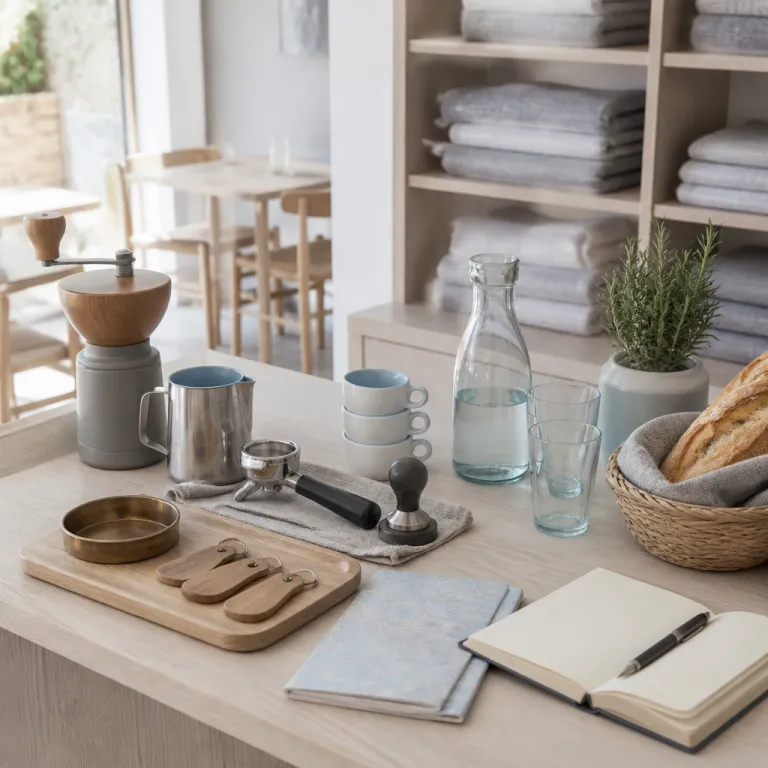
Corsican village life immersive luxury travel begins at the café table
The real Corsican village life immersive luxury travel starts when you sit down at the only café and let the day arrange itself around you. In Piana, Sant’Antonino or Sainte-Lucie-de-Tallano, the first espresso of the morning is where your trip shifts from checking into a hotel to quietly learning how people in Corsica actually live. This is where the island stops being a backdrop of dramatic beaches and becomes a place of names, stories and small daily things.
In Piana, the view from the village square stretches over the Calanques, a UNESCO heritage landscape of red limestone cliffs that fall straight into the sea. Here, Corsican village life immersive luxury travel means watching the boulangerie open while the church bell marks the hour and the first rental car of the day edges nervously through the narrow street. The best time to feel this rhythm is early, when the bedrooms in the small family run hotel above the café are still quiet and only the village café owner and a few local villagers are talking about the weather and the fishing.
Balagne’s Sant’Antonino, officially one of the most beautiful hilltop villages in France, offers a different tempo yet the same sense of ultimate luxury in slowness. From its 360 degree views you see the beaches near Calvi and L’Île-Rousse, but the real attraction is the stone lanes where traditional Corsican families greet each other by name. Staying here rather than on the beach in Calvi or Île Rousse turns exploring Corsica into a layered experience, where the island’s natural beauty, its Corsican language and its food network all become part of your daily routine.
The daily rhythm: bread runs, bells and the quiet luxury of routine
In Sainte-Lucie-de-Tallano, the olive oil capital of southern Corsica, the day begins with footsteps on granite and the smell of bread. The boulangerie opens early, the café fills slowly, and Corsican village life immersive luxury travel becomes a sequence of small rituals rather than a list of things to tick off. You start to understand why many guests extend their stay in Corsica France once they have settled into this pace.
By late morning, the square in these hilltop villages turns into a stage where nothing and everything happens at once. Children cross with baguettes, a cheese van arrives from a nearby farm, and the café terrace becomes an informal concierge desk for advice on beaches, wine tasting or the best nature reserve for a gentle hike. This is where you hear that “What is Corsican cuisine like? Features charcuterie, cheeses, seafood, chestnuts.” and you realise that lunch will probably come from the farm just beyond the last house.
Afternoons are for shade and for the kind of travel planning that respects the heat and the island’s rhythm. You might drive your rental car down to the beach at Santa Giulia or towards Porto-Vecchio, or you might simply walk to a nearby river pool and let the dramatic silence of the maquis replace any urge to rush. As evening returns, the church bell marks aperitif hour, the café fills again, and the luxury of your trip lies in recognising familiar faces and being recognised in return.
Where to stay: characterful chambres d’hôtes, presbyteries and small hotels
Choosing the right place to stay in Corsica is what turns a simple trip into genuine Corsican village life immersive luxury travel. In Piana, look for a small hotel or a former village house with only a handful of bedrooms, where the owner still checks you in personally and remembers how you take your coffee. These properties rarely have flashy offers, but they deliver something rarer on this island of beaches and dramatic views, which is a feeling of belonging.
In Sant’Antonino and the surrounding Balagne, many travellers opt for a stone villa or a chambres d’hôtes carved into the old village fabric. Here, ultimate luxury is a terrace that looks towards Cap Corse or the bay of Calvi, and a host who can point you to the best traditional Corsican restaurant in the next hamlet. For history lovers, pairing a stay here with a day tracing Napoléon’s childhood route from Ajaccio to Corte, using a detailed guide such as the one on Napoléon’s Corsica, creates a strong sense of how the island’s villages shaped its most famous son.
Further south, Sainte-Lucie-de-Tallano hides converted presbyteries and family run guesthouses where dinner is cooked by the owner and served under plane trees. Bedrooms are simple but thoughtful, with linen that breathes in the summer heat and windows that frame the natural beauty of the Alta Rocca hills. This is not resort style luxury ; it is the kind of Corsica France hospitality where the host knows which day the market truck arrives, when the next wine tasting is happening, and how to time your drive to Porto-Vecchio or Bonifacio to avoid the crowds.
Food networks, language and the art of becoming a returning guest
Staying a full week in one village reveals how tightly food, language and hospitality are woven together in Corsica. Village restaurants often source vegetables from the garden behind the kitchen, lamb from a cousin’s farm and cheese from the producer who parks his van in the square twice a week. When you engage with this network, Corsican village life immersive luxury travel becomes a conversation rather than a transaction.
Learning a few basic Corsican and French phrases changes the way doors open for you across the island. A simple greeting in Corsican, followed by a polite request in French, signals respect for local culture and often leads to longer exchanges about the best beaches near Porto or the quietest coves around Bonifacio. “What language is spoken in Corsica? French is official; Corsican is also spoken.” and using both thoughtfully is one of the most effective things you can do to deepen your stay.
Over several days, you stop being just another guest passing through Corsica France and start becoming part of the café’s background cast. The village café owner might set aside a table for you on music night, or a neighbour may offer a lift when your rental car is parked far from the square. Returning guests are remembered, and that memory is its own form of ultimate luxury, more enduring than any beach club on Santa Giulia or any design hotel in Porto-Vecchio.
Beyond the village: slow excursions and leaving the itinerary behind
Once you are anchored in a village, excursions across the island feel different because you are travelling from somewhere rather than through everywhere. A day trip from Piana along the coast towards Porto brings you face to face with the Scandola nature reserve, where volcanic cliffs and protected waters show another side of Corsica’s natural beauty. From here, you understand why sustainable travel and careful timing are essential if exploring Corsica is to remain compatible with its fragile ecosystems.
From southern Corsica, a slow drive to Bonifacio reveals limestone cliffs that look almost unreal from the sea, especially near the Lavezzi Islands and the marine protected areas. You might combine this with a swim at Santa Giulia or a detour towards Cap Corse, but the point is not to collect sights ; it is to return to your village in the evening with one strong memory rather than ten blurred ones. Articles on how Corsica is investing in becoming a year round island, such as the analysis on long season travel strategies, show how this slower rhythm is increasingly encouraged.
On the eastern side, a gentle route from Balagne towards Île Rousse or down to Porto-Vecchio lets you compare different beaches, from family friendly sands to more dramatic coves near nature reserves. Yet the most meaningful part of Corsican village life immersive luxury travel often happens when you cancel a planned drive, stay in the square, and let the island come to you. Leaving behind itinerary anxiety is not a loss ; it is the moment when your stay in Corsica becomes less about France as a destination and more about one village that now feels quietly, almost surprisingly, like home.
FAQ
Is Corsica safe for tourists who stay in small villages?
Corsica is generally considered safe for tourists, including those staying in small hilltop villages or coastal communities. Crime rates are low, and village life is built on close knit relationships where people notice and look out for each other. Normal travel precautions still apply, but most visitors report feeling very secure during both day and night.
How long should I stay in one Corsican village for an immersive experience?
A full week in a single village is ideal for Corsican village life immersive luxury travel. This duration allows you to understand the daily rhythm, from the boulangerie opening to the evening aperitif in the square. With seven days, you can also plan relaxed excursions to beaches, nature reserves or nearby towns without feeling rushed.
Do I need a rental car for a village based stay in Corsica?
A rental car is highly recommended if you plan to stay in hilltop villages such as Piana, Sant’Antonino or Sainte-Lucie-de-Tallano. Public transport on the island is limited, especially between small communities and beaches or nature reserves. Having your own car gives you the flexibility to reach places like Porto-Vecchio, Bonifacio or Calvi while still returning to your village base each evening.
What kind of accommodation suits Corsican village life immersive luxury travel?
For this style of trip, look for small family run hotels, chambres d’hôtes or converted village houses with only a few bedrooms. These properties usually offer more personal interaction with hosts, who can guide you towards traditional Corsican food, local events and quiet walking paths. The focus is on character, location and connection rather than large scale resort facilities.
What should I know about Corsican culture before my trip?
Corsican culture blends French and Italian influences with strong local traditions, especially in music, language and food. Learning basic French phrases, respecting local customs and trying regional dishes such as charcuterie, cheeses and chestnut based recipes will be appreciated. Many visitors find that engaging in simple conversations at the village café is the most rewarding way to understand the island’s identity.
Sources
INSEE (Institut national de la statistique et des études économiques)
Corsican Tourism Agency
Village tourism offices and local artisans’ associations in Balagne and Alta Rocca