The Balagne’s olive heritage and why it matters for luxury stays
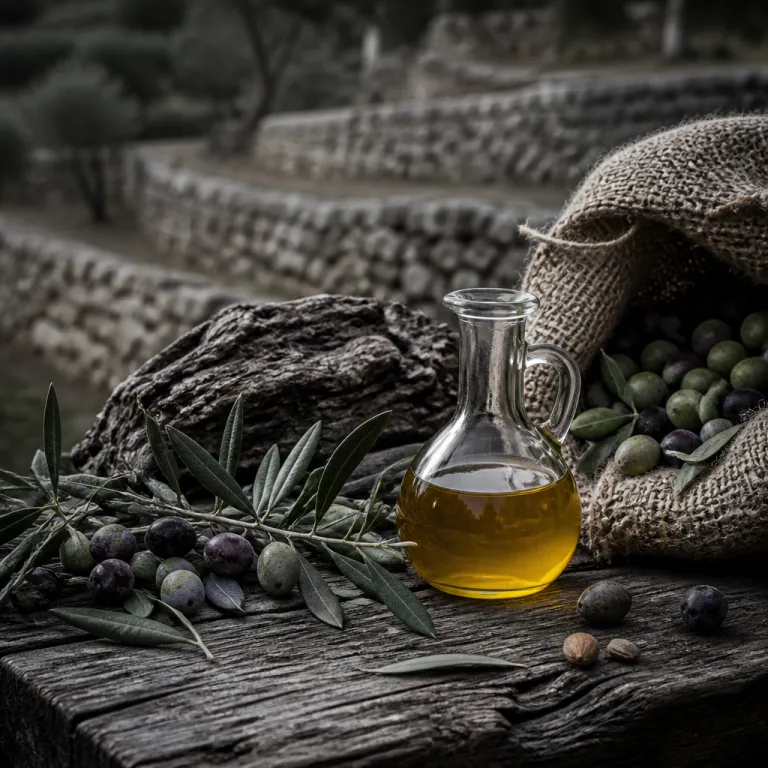
The Balagne, between Calvi and L’Île-Rousse, was once the garden of Corsica. Terraced hillsides above each coastal town still carry the silver shimmer of ancient olive trees, planted when Genoese rulers shaped this island into a granary for the Mediterranean. For today’s luxury traveler, understanding this heritage turns a simple Corsican olive oil tasting in the Balagne into a deeper encounter with place.
Many of the groves date back to the fifteenth to eighteenth centuries, when the Genoese administration encouraged olive cultivation across the north of Corse. Indigenous varieties such as Sabine and Ghjermana adapted to the dry winds, the maquis and the steep slopes, giving the olives a distinctive balance of fruit and gentle bitterness. When you walk these terraces, you sense how the landscape, the vineyards and the olive trees once formed a single agricultural tapestry that still frames the best things about slow travel in Corsica.
The story darkened during the twentieth century, when rural exodus and cheaper mainland imports led families to abandon their groves. Fires, storms and neglect damaged thousands of trees, and many villages above Calvi Île and Île-Rousse turned away from agriculture toward seasonal work on the beaches. That is why a modern visit to a Corsican olive estate in the Balagne feels so charged; every bottle of olive oil you taste represents a deliberate act of revival, not just another product on a hotel breakfast buffet.
Today, according to figures regularly cited by the Chambre d’Agriculture de Haute-Corse and the Oliu di Corsica AOP syndicate, around two thousand hectares are again dedicated to olive production in Corsica, with roughly three hundred producers and about twenty mills operating across the island. In the Balagne, this revival is especially visible in the hills behind the beach resorts, where new domaines reclaim family parcels tree by tree. For travelers staying in premium hotels from Calvi to Saint-Florent, a short tour inland connects the comfort of the coast with the resilience of the interior.
Families basing themselves in a luxury hotel near the beaches of Calvi or the coves around L’Île-Rousse can easily weave an estate tour into a relaxed day. A private driver can link a morning swim on a quiet beach with an afternoon discovery of Balagne olive groves, followed by a sunset stroll through a hilltop town. This is where a thoughtful travel guide earns its keep, steering you toward producers who welcome children, offer shaded tasting areas and understand that not every guest arrives as an olive obsessive.
The new generation of domaines bringing the groves back to life
The most compelling estates in the Balagne are not museum pieces; they are working farms where a new generation has returned to family land. At Domaine Acciola, between Feliceto and Nessa, the team has been patiently reviving ancient terraces, combining organic methods with modern milling equipment. Walking the groves here, you see how carefully spaced olive trees share the slope with wild maquis, a living example of Corsica natural resilience.
Nearby, Domaine Comte Santucci cultivates around eleven hectares of organic olive trees, producing both oil and honey in a short supply chain. The owners work with local cooperatives and agricultural organizations, part of a wider movement that has made agritourism one of the best things to experience beyond the beaches. For families staying in a refined hotel in Calvi or L’Île-Rousse, a book guided visit here can sit alongside a coastal boat trip or a gentle food tour focused on charcuterie and cheeses.
Domaine du Reginu, set in a restored five hectare grove, goes a step further by offering accommodations on site. Guests wake among the trees, then watch the mill in action during the harvest season, when olives arrive in crates and the air fills with a green, peppery scent. A typical tasting might include a young, vivid oil with notes of artichoke and green almond, followed by a more mature cuvée showing riper fruit and a softer finish. This kind of Corsican olive oil Balagne tasting estate visit pairs naturally with a deeper culinary itinerary, perhaps following a charcuterie trail through the Corsican maquis that links inland farms with coastal restaurants.
The revival has also been formalized through the AOP Oliu di Corsica label, which certifies that an olive oil is made from Corsican olives. This appellation, sometimes translated as AOC Huile d’Olive de Corse, is defined by the Institut National de l’Origine et de la Qualité (INAO) and the regional producers’ syndicate, and guarantees traceability, respect for local varieties and specific production standards. For travelers used to comparing wines by appellation, it offers a familiar framework; you can think of it as the olive equivalent of a carefully delimited wine region.
Producers often combine traditional harvesting techniques, such as hand picking or gentle mechanical combs, with modern mills that reduce oxidation and preserve aromas. Many also keep bees for pollination, which adds another layer to a family visit, as children move from olive trees to hives and back again. When you book wine and olive themed experiences through a high end concierge, ask explicitly for estates that practice organic farming and short supply chains, because these details shape both flavor and ethics.
One practical reassurance for planners; estate tours are generally available throughout the year, though appointments remain strongly recommended. The olive harvest season in Corsica usually runs between November and March, when you can sometimes watch the pressing itself. If your stay falls in summer, you will miss the harvest but gain long evenings for relaxed tastings, perhaps after a day exploring the vineyards near Calvi or the coastal paths toward Cap Corse.
How to taste Corsican olive oil like wine during an estate visit
A serious Corsican olive oil Balagne tasting estate visit borrows its ritual from wine tasting. You sit, often under an olive tree or on a shaded terrace, with small glasses of oil poured in front of you. The producer guides you through color, aroma and texture, just as a sommelier would with red or white wines.
The first step is to warm the glass gently in your hand, then inhale the aromas rising from the surface. In the Balagne, many oils show notes of artichoke, almond and fresh cut grass, shaped by the proximity of the maquis and the sea. Some express a more mature profile, with riper fruit and nuts, while others lean toward a bright, fruity style that pairs beautifully with grilled fish on a beach restaurant terrace.
Next comes the sip, taken in a small amount and aerated slightly in the mouth. You are looking for balance between fruit, bitterness and spiciness, with a peppery finish that should feel lively but not aggressive. The best Corsican oils from these domaines have a long, clean aftertaste, echoing the way a well structured red wine lingers after a careful wine tasting in a cellar near Calvi or Porto-Vecchio.
Producers will often line up several cuvées, sometimes from different parcels or harvest dates, to show how terroir and timing shape the oil. This is where the comparison with corsica wine becomes most vivid, as you move from one glass to another and note subtle shifts in aroma and texture. A thoughtful travel guide might encourage you to keep simple notes, just as you would during a wine tour through the vineyards of Cap Corse or the hills above Saint-Florent.
Some estates in the Balagne pair olive oil with local wines during tastings, creating a gentle introduction to the island’s wine regions for curious guests. You might taste a pale rosé or a structured red alongside slices of bread drizzled with oil, then compare how each element responds to the other. Families can keep the focus on olive oil while adults quietly explore a few glasses of corsica wine, turning the session into a relaxed, multi generational food tour.
For those planning trips around seasonal events, local tourism boards and producers highlight a growing interest in organic products, agritourism and sustainable agriculture. These trends often intersect with gastronomic festivals, where olive oil, wines and charcuterie share the stage. If your dates are flexible, consult a guide to Corsican food festivals to align your estate visits with village celebrations that bring the whole island table together.
From estate to table: how chefs and hotels use Balagne olive oil
Once you have experienced a Corsican olive oil Balagne tasting estate visit, you start to notice the same oils appearing on refined tables across the island. Luxury hotels in Calvi, L’Île-Rousse and Porto-Vecchio increasingly highlight specific domaines on their menus, treating olive oil with the same respect as wine. This shift reflects a broader movement in Corsican gastronomy, where chefs lean into local identity rather than imitating mainland trends.
In many kitchens, Balagne oils are used primarily as a finishing element rather than a cooking fat. A drizzle over fresh brocciu, the island’s soft sheep cheese, brings out delicate lactic notes, while a thread over grilled fish echoes the herbs of the maquis. Chestnut flour preparations, from rustic cakes to refined desserts, gain depth from a few drops of a mature oil, a combination you are unlikely to meet in Tuscany or Andalusia.
High end properties along the coast often build tasting menus around these products, pairing olive oil with wines from nearby vineyards in carefully calibrated courses. A pale rosé from the hills above Calvi might accompany raw vegetables dipped in a fruity oil, while a structured red from the Balagne supports slow cooked lamb enriched with a more robust cuvée. Families can usually request simplified versions of these menus for children, keeping the focus on textures and gentle flavors rather than alcohol.
Some hotels now offer in house tastings led by producers from domaines such as Acciola, Comte Santucci or du Reginu. These sessions work well on days when mistral winds make the beach less appealing, or when you prefer to avoid another boat trip along the coast. They also allow you to compare oils from different parts of Corsica, including Cap Corse and the area around Saint-Florent, without leaving your base.
For active families, combining gastronomy with gentle adventure keeps everyone engaged. A morning hike through olive groves above L’Île-Rousse, followed by a picnic with local bread, tomatoes and oil, can be as memorable as any formal restaurant meal. If you are traveling with teenagers, consider pairing these tastings with the kind of outdoor experiences highlighted in this guide to Corsica with teenagers, where canyoning, coastal walks and discreet luxury stays sit comfortably alongside serious food.
Chefs also play with the relationship between wine and olive oil, sometimes using the same parcel for both vines and trees. In such cases, a wine olive pairing becomes almost circular, with the soil expressing itself through two different liquids. When you book wine focused experiences through your hotel concierge, ask whether any estates offer both wine tour options and olive oil tastings, because these dual visits often reveal the most about the island’s agricultural soul.
Planning your Corsican olive oil Balagne tasting estate visit
Designing a Corsican olive oil Balagne tasting estate visit that suits a premium family stay starts with geography. The main cluster of welcoming domaines lies inland from Calvi and L’Île-Rousse, within thirty to forty minutes’ drive of most coastal hotels. This makes it easy to combine a morning on the beach with an afternoon tour, without overloading younger travelers.
Harvest season, usually from November to March, offers the most intense experience, as you can watch olives arriving at the mill and sometimes participate in simple tasks. Outside these months, visits focus on walking the groves, understanding the varieties and tasting finished oils in calm surroundings. Either way, it is wise to book guided tours in advance, especially if you are traveling in a group or hoping to combine olive oil with wine tasting at nearby vineyards.
Many estates are small, family run operations, so flexibility and respect go a long way. Arrive on time, wear comfortable shoes for uneven ground and be prepared for a mix of English and French during explanations. Children usually respond well to the sensory side of the visit, from touching the bark of ancient olive trees to smelling different oils, while adults can ask more technical questions about yields, pruning and the impact of Corsica natural conditions on flavor.
Transport is another key consideration, particularly if you plan to taste wines alongside olive oil. Private drivers arranged through your hotel remain the most comfortable option, especially on winding inland roads. If you prefer to self drive, plan routes that avoid backtracking, perhaps linking a Balagne estate with a later stop in Saint-Florent or even a detour toward Cap Corse for a broader view of the island’s wine regions.
For those combining several gastronomic themes, it can be helpful to structure days around single focal points. One day might center on olive oil in the Balagne, another on wine tour experiences near Patrimonio, and a third on coastal seafood around Porto-Vecchio. This rhythm keeps the narrative clear for everyone, turning your stay into a coherent travel guide in motion rather than a scattered list of tastings.
When it comes to purchases, remember that liquids in hand luggage face strict volume limits on most flights. Larger bottles of olive oil and corsica wine are best packed in checked bags using protective sleeves, while smaller formats travel safely in cabin luggage. Many domaines also offer to ship orders directly, which can be the most relaxed way to book wine and oil for home delivery without worrying about airport security.
Bringing Balagne olive oil home and extending the experience
The final act of any Corsican olive oil Balagne tasting estate visit is choosing which bottles to bring home. Producers will often guide you toward oils that travel well, usually those filtered or carefully decanted to reduce sediment. Dark glass bottles stored away from heat and light preserve aromas longer, an important detail if your journey from the island involves several connections.
Think about how you cook when selecting styles; a fruity, herbaceous oil suits salads, grilled vegetables and simple fish, while a more mature, rounded profile flatters roasted meats and chestnut based dishes. Many families choose a mix, perhaps one bottle for everyday use and another reserved for special occasions, echoing the way they might select both easy drinking and more structured wines. If you have visited several domaines, consider buying smaller formats from each rather than a single large container, so you can recreate a mini tasting at home.
Back in your own kitchen, the memories of Corsica natural landscapes return with each pour. A drizzle over ripe tomatoes can evoke a lunch in a Balagne town square, while oil on grilled bread recalls a terrace above the beaches of Calvi. Pairing these oils with bottles from your favorite wine regions, whether Corsican or not, extends the pleasure of the trip long after the suitcases are unpacked.
For those who prefer not to carry weight, many estates now offer online ordering with international shipping. Your hotel concierge or a trusted travel guide can point you toward domaines experienced in exporting to the United States, where customs rules and shipping times require careful planning. This option also allows you to restock once your first bottles run out, keeping a thread between your daily meals and that afternoon among the olive trees.
As you taste at home, remember the broader context of what you experienced in the Balagne. The revival of these groves supports local economies, preserves landscapes and anchors a style of tourism that values authenticity over spectacle. Choosing oils from domaines committed to organic farming and short supply chains reinforces that virtuous circle, just as thoughtful choices about where you stay and eat shape the future of hospitality on the island.
For practical questions that often arise, local experts offer clear answers; “What is the AOP Oliu di Corsica label?” “It certifies olive oil made from Corsican olives.” “When is the olive harvest season in Corsica?” “Between November and March.” “Are estate tours available year-round?” “Yes, but appointments are recommended.” With these basics in mind, you can plan a return journey that goes even deeper, perhaps linking a Balagne estate with a boat trip along the coast or a stay near Porto-Vecchio, where the contrast between polished beach life and rugged interior remains one of the island’s quiet luxuries.
FAQ
When is the best time of year to visit Balagne olive estates ?
The most immersive period for a Corsican olive oil Balagne tasting estate visit is the harvest season, usually from November to March, when you can often see olives being milled. Spring and summer remain excellent for walking the groves and tasting finished oils in calmer conditions. Families who prioritize beach time may prefer summer, combining morning swims with late afternoon estate tours inland.
Do I need to book estate visits in advance ?
Advance reservations are strongly recommended, because most Balagne domaines are small, family run properties with limited hosting capacity. Booking ahead ensures that someone is available to guide you, prepare tastings and, if requested, adapt the visit for children. High end hotels in Calvi, L’Île-Rousse or Porto-Vecchio can usually arrange book guided tours as part of a wider itinerary.
Can children join olive oil tastings and tours ?
Children are generally welcome at Balagne estates, especially those that combine groves, small animals or beekeeping with tastings. Many producers adapt explanations to younger visitors, focusing on touching the trees, smelling different oils and understanding how the landscape shapes flavor. If you plan to combine olive oil with wine tasting, it is wise to keep the session short and schedule it between more active moments such as a beach stop or a gentle hike.
How much olive oil can I bring back from Corsica by plane ?
Airline rules usually limit liquids in cabin luggage to small containers, so larger bottles of olive oil should travel in checked baggage. As a practical guideline, many travelers pack two to four bottles of 500 milliliters each, wrapped carefully in protective sleeves. If you wish to bring back more, ask the domaine about shipping options, which can be more convenient than carrying heavy bottles through multiple airports.
What is the difference between AOP Oliu di Corsica oils and other Mediterranean oils ?
AOP Oliu di Corsica oils must be produced from Corsican olives and meet specific standards related to varieties, cultivation and milling. The Balagne’s Sabine and Ghjermana trees, the maquis vegetation and the island’s climate give these oils a distinctive profile, often combining gentle bitterness with a peppery finish and herbal notes. While Italian and Spanish oils can be excellent, tasting an AOP Corsican oil on its home island reveals nuances that rarely appear elsewhere.