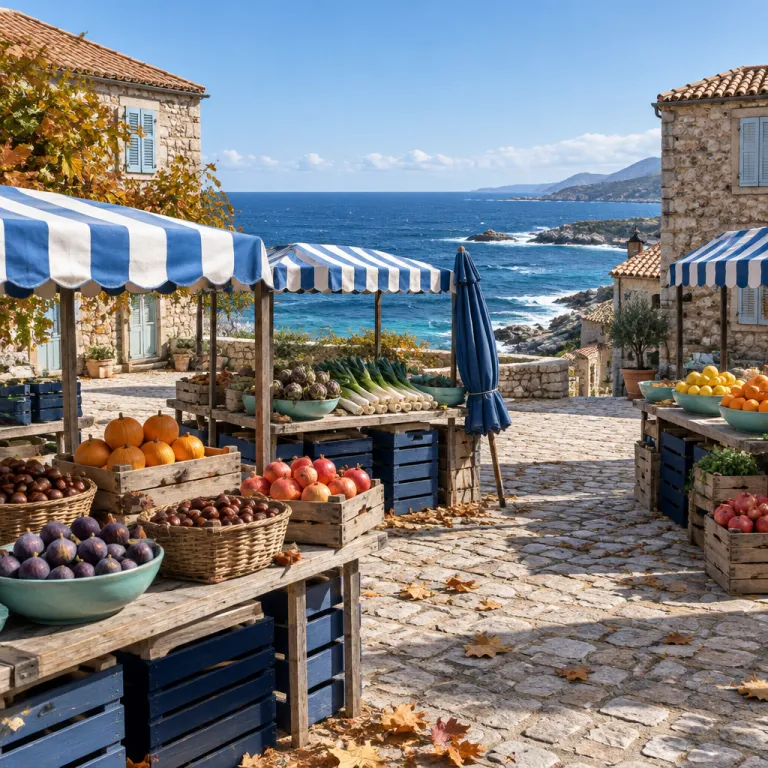
Why autumn markets are the quiet heart of Corsican luxury
On the isle of beauty, luxury in autumn feels understated and deeply local. When the last summer visitors leave Corsica, village markets shift back to a slower rhythm where producers greet each other by name and the best stalls are piled with seasonal treasures. For a traveler choosing a premium hotel or boutique guesthouse, this is the moment when a market in a hill village becomes as essential as any spa or infinity pool.
Think of each market in Corsica as a temporary salon where traditional Corsican life is staged between crates of figs and wheels of cheese. The same island that dazzles with five star suites in Porto-Vecchio or along Cap Corse also reveals its quietest beauty in a farmers market where a producer slices Corsican charcuterie while discussing the weather in the Corsican mountains. When you plan your stay through a curated Destinations Corsica platform or a specialist agency, ask the concierge not only about the nearest beach but also about the nearest covered market on a Corsican morning, because that is where the real conversations happen.
Autumn markets across the island are anchored in local produce rather than souvenirs and quick snacks. You will see stalls where new olive oil glows pale green beside jars of honey and bottles of Corsican wine, and the same producers will often supply the dining rooms of the best hotels. For travelers browsing ideas before they visit Corsica, the promise is simple yet rich: a market day in a village near Porto Vecchio, Sainte Lucie de Porto-Vecchio or the town Sartène can turn a standard weekend into a layered cultural experience.
What fills the stalls in autumn: from chestnut flour to new olive oil
By the time the first rains touch the Corsican mountains, the markets have shifted from summer tomatoes to the deeper flavors of the harvest. Chestnut flour appears in paper sacks, a reminder of village ovens and the Fiera di a Castagna, the famous fiera castagna chestnut fair in Bocognano each December that celebrates the tree which once fed the island; the event has been running since the early 1980s and usually takes place over one long weekend. At the same stalls, you will often find brocciu cheese, early citrus, wild herbs and dark jars of myrtle jam that speak of a Corsican autumn pantry.
Olive oil is another quiet star of Corsican autumn markets, especially when producers bring the first pressings in unlabelled bottles. A hotel sommelier in Porto Vecchio might later drizzle that same olive oil over grilled fish, but you first encounter it at a covered market table, poured into a plastic cap for tasting. Honey sits nearby in thick golden rows, each pot labeled with maquis, chestnut or arbousier, and the best way to choose is to ask the Corsican vendor which one they spread on bread at home.
Charcuterie counters define the soundscape of any village market or town farmers market, with knives tapping against wooden boards. Here you meet traditional Corsican flavors in their purest form: lonzu, coppa and prisuttu sliced to order, often alongside a recommendation for a robust Corsican wine from Cap Corse or Alta Rocca vineyards. For a traveler staying in a luxury property, assembling a small picnic of cheese, Corsican charcuterie, honey and local produce becomes a private festa, far from any hotel bar playlist.
Villages, routes and hotel bases for market mornings
Choosing the right base in Corsica can turn a simple market visit into a full day of layered experiences. Around Porto Vecchio, luxury hotels in the hills give you quick access to both the coast and inland villages where a weekly market morning still feels resolutely local. In Porto Vecchio itself, the main farmers market usually runs on Saturday mornings on the central square, while nearby Sainte Lucie and smaller hamlets host stalls midweek. From these properties, a short drive before breakfast places you among baskets of cheese and vegetables while the sea remains a blue strip on the horizon.
Further south, the town Sartène offers a different mood, with stone façades and a slower, more traditional Corsican pace that suits autumn. Staying in a premium address near Sartène lets you pair a market visit with a long lunch in a village auberge, then a drive into Alta Rocca where the Corsican mountains close in and chestnut groves line the road. To the north, Cap Corse works well for travelers who want to alternate between a coastal market and quiet coves, using a refined hotel as a calm base between excursions.
Wherever you stay, think of your hotel as a partner in mapping out Corsican autumn market circuits rather than just a place to sleep. Many concierges maintain informal lists of trusted producers and can suggest which farmers market has the best honey or which covered market stall is known for exceptional cheese. If you are flying in, planning your arrival through the island’s main gateways is straightforward, and guides to Corsica airport gateways for luxury stays and seamless hotel arrivals help align flight times with market days so you wake up ready to walk straight into the stalls.
How to shop, taste and talk like an insider
Arriving early is the first rule for any market in Corsica, especially in autumn when light is soft and conversations are unhurried. By eight or nine in the morning, the best stalls of local produce are open, and you can watch chefs from nearby hotels selecting Corsican charcuterie, cheese and herbs for the day’s menus. This is when a curious visitor blends in most easily, standing beside a restaurateur at a farmers market table while both of you taste the same olive oil.
Language matters, but perfection is not required; a simple bonjour and a few Corsican words show respect and open doors. Ask producers where their village is, how long they have made this honey or wine, and which festa they look forward to once the harvest ends, because these questions turn a transaction into an exchange. Many vendors are proud to explain which part of the island their Corsican wine comes from, whether a slope above Porto Vecchio, a valley in Alta Rocca or a windswept parcel on Cap Corse.
For shopping, think in layers rather than volume, especially if you are moving between several corners of the island during one trip. Hard cheese, vacuum packed Corsican charcuterie and sealed jars of honey or olive oil travel well, while fresh brocciu or pastries are best enjoyed the same day in a quiet square or back at your hotel terrace. As you build your own Corsican autumn market ritual, you will find that the rhythm of choosing, tasting and carrying home a small bag of flavors becomes as memorable as any formal tasting room visit.
The off-season rhythm: from market mornings to village evenings
Autumn on the isle beauty is defined by a softer tempo that suits reflective travelers. After a market morning in a village near Porto Vecchio or the town Sartène, the rest of the day stretches ahead for walks through chestnut woods, coastal drives or quiet hours in a hotel spa. The crowds of summer have gone, leaving space for longer conversations with producers who now have time to talk about weather, family and the changing island.
Pairing a market visit with a cultural experience deepens the sense of place that many visitors seek. An evening of polyphonic singing, for example, reveals another layer of traditional Corsican life, and guides to where to hear the island’s soul through Corsican polyphony help you align concert dates with your chosen market base. On other days, you might follow a historical thread from Ajaccio to Corte, using a detailed itinerary tracing Napoleon’s Corsica to understand how the same mountains that shelter chestnut groves also shaped the island’s political story.
As night falls, a glass of Corsican wine on a hotel terrace tastes different when you know the farmers market where its grapes were first discussed. The olive oil on your plate might come from a producer you greeted that morning, and the cheese could be the same wheel you saw cut open at a covered market stall. In this off-season rhythm, luxury is not only about thread count or pool length; it is about how closely your stay is woven into the everyday beauty of Corsican village life and the autumn markets that sustain it.
FAQ
What makes autumn markets in Corsica different from summer ones?
Autumn markets in Corsica are quieter, more local and more focused on harvest produce than on beach season snacks. With fewer tourists, vendors have more time to talk about their cheese, honey, olive oil and Corsican wine, and the overall rhythm feels slower and more intimate. For travelers, this means richer conversations, better access to traditional Corsican products and a calmer atmosphere around the stalls.
Which products should I prioritize if I have limited luggage space?
If you are flying home, prioritize items that travel well and capture the essence of Corsican autumn markets and local produce. Hard cheese, vacuum packed Corsican charcuterie, sealed jars of honey and tins or bottles of olive oil are practical choices that fit easily into a suitcase. Fresh brocciu, pastries and open bottles of wine are best enjoyed on the island, ideally as part of a picnic or a relaxed hotel aperitif.
How can my hotel help me experience local markets?
Luxury and premium hotels in Corsica often have concierges who know the nearest markets, the most reliable producers and the weekly rhythm of each village. They can suggest which farmers market is best for charcuterie, which covered market has excellent cheese and how to time your visit to avoid any remaining crowds. Some properties can also arrange private tastings or guided visits that link market stalls with visits to vineyards or olive groves.
Do I need a car to reach village markets from my hotel?
A car offers the most flexibility for exploring markets in Porto Vecchio, the town Sartène, Alta Rocca villages or Cap Corse hamlets. Many luxury hotels can arrange rentals or private drivers, which is useful if you plan to buy wine or travel between several Destinations Corsica in one trip. In some coastal towns, you can walk to a local market or central farmers market from well-located properties, but inland villages usually require a short drive.
Are autumn markets suitable for solo travelers interested in culture?
Autumn markets are ideal for solo travelers because the atmosphere is relaxed and conversations with vendors come naturally. Asking about traditional Corsican recipes, the origin of a cheese or the story behind a festa creates easy openings for interaction. Combined with evenings of polyphonic singing or visits to historical sites, these markets offer a deep, low key way to connect with the island’s culture beyond the hotel lobby.