Why a Corsica wine regions appellations guide matters for luxury travelers
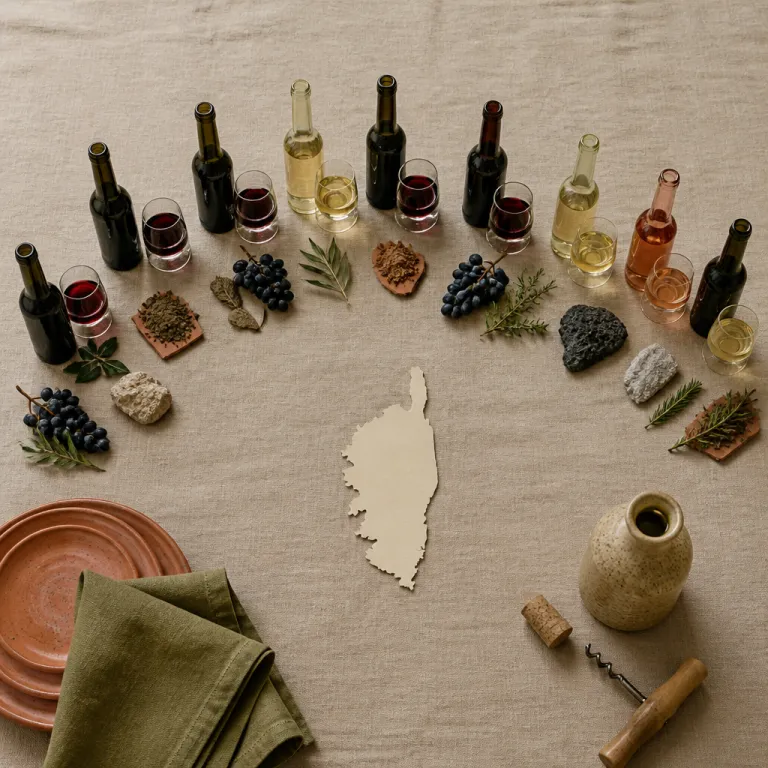
Corsica sits between France and Italy, yet its wine feels like neither. On this rugged island, a Corsica wine regions appellations guide becomes essential if you want your hotel stay to feel as curated as your cellar, because the wines produced here rarely leave the shores of Corse. For couples booking premium rooms, understanding each wine region turns a simple glass of vin into a narrative that runs from the maquis to your terrace overlooking the sea.
The island counts around 6 200 hectares under vine, with annual wine production of roughly 380 000 hectolitres, and only a fraction of this french wine reaches the United States. That scarcity is why a detailed wine map of the nine AOC appellations matters more here than in larger french regions such as Languedoc Roussillon, where scale smooths out individuality. On Corsica, every appellation, every grape variety and every slope feels personal, and the best luxury hotels now build tastings and vineyard visits into their concierge playbook.
For guests choosing an elegant hotel in France, Corsica offers something different from mainland french wine culture. You are not just choosing between red, white and rosé wines ; you are choosing between indigenous grape varieties like Nielluccio and Sciaccarellu, and white wines of Vermentinu that taste of salt spray and wild herbs. A thoughtful Corsica wine regions appellations guide lets you learn which wine regions sit near your chosen property, so you can plan a day that moves from poolside sauvignon blanc to sunset pinot noir in a Patrimonio cellar.
Patrimonio, Ajaccio and the art of pairing estates with hotels
Patrimonio is where any serious Corsica wine regions appellations guide must begin. This AOC, the island’s first controlled appellation, forms a limestone amphitheatre facing the Golfe de Saint Florent, and its corsican wine has a structure and depth that reward slow dinners in refined hotel dining rooms. Here Nielluccio, a corsican grape genetically linked to Sangiovese, gives red wines with firm tannins that pair beautifully with wild boar stew served in many luxury properties inland.
Ajaccio AOC, by contrast, leans into Sciaccarellu, a grape variety that yields lighter, aromatic red wines with pepper and rose petals, ideal for a seaside lunch on a shaded hotel terrace. Many elegant hotels in Corsica, France now curate lists that highlight these grape varieties alongside more familiar french wine names such as pinot noir and sauvignon blanc, allowing guests to compare styles glass by glass. When you book a suite, ask the concierge for a printed wine map that shows Patrimonio, Ajaccio and the other wine regions relative to your base, then plan half day excursions rather than rushed cross island drives.
Estate visits in these two appellations reward a little etiquette. Some domaines welcome drop ins for a quick tasting of white wines and rosé wines, while others expect appointments, especially during harvest when hand harvesting and temperature controlled fermentation dominate the schedule. Call ahead from your hotel, arrive on time, and be ready to learn about vin de Corse, vin pays and the specific wines produced on that property, then bring a bottle back to enjoy on your balcony as the island quiets.
Cap Corse, Muscat and the northern coastal appellations
The northern tip of the island, Cap Corse, feels like a different world again. Here steep terraces plunge towards the sea, and any Corsica wine regions appellations guide worth your time will single out the AOC Cap Corse and the separate Muscat du Cap Corse appellation. Together they form a wine region where corsican wine meets maritime wind, and where luxury hotels often arrange private drivers so guests can taste without worrying about the narrow coastal roads.
Muscat du Cap Corse is the island’s emblematic sweet wine, sometimes called Muscat du cap in shorthand, and its history stretches back more than 150 years in local memory. This fortified white wine, made from the Muscat grape, is poured with chestnut cake in family homes and in the dining rooms of high end hotels that take gastronomy seriously. Cap Corse also produces dry white wines and structured red wines under the broader vin de Corse and vin pays labels, and these wines produced on windswept slopes can feel almost alpine despite the mediterranean sun.
When you stay in a converted bergerie above the coast, ask for a tasting flight that sets Muscat du Cap Corse alongside a dry white from Cap Corse and a red from Patrimonio, then compare how each appellation expresses the island. Pair the sweet wine with a dessert of chestnut flour cake, the dry white with grilled fish, and the red with cured meats from a local charcuterie trail through the Corsican maquis. For deeper context on how these wines sit within the island’s food culture, many travelers pair vineyard days with a charcuterie focused itinerary such as a dedicated trail from lonzu to figatellu, which hotels can help arrange.
From Calvi to Porto Vecchio: coastal appellations for resort stays
On the western and southern coasts, the AOC Calvi, Figari, Sartène and Porto Vecchio wrap around some of the island’s most desirable beaches. Couples booking luxury rooms in Calvi often find that their hotel’s by the glass list doubles as a mini Corsica wine regions appellations guide, with corsican wines from nearby slopes poured alongside more familiar french wine from mainland France. The proximity between vineyard and sea means you can swim in the morning, then stand among vines in the afternoon, still tasting salt on your lips.
Calvi AOC leans into Vermentinu for white wines with bright acidity, while Figari and Sartène often showcase both red and rosé wines that balance ripe fruit with herbal notes from the surrounding maquis. Around Porto Vecchio, where some of the island’s most exclusive hotels cluster above the bays, vin de Corse and vin pays labels sit beside more specific appellation names, and the wines produced here can be surprisingly age worthy. Ask your sommelier to map out a progression that moves from a young Vermentinu as an apéritif to an older Nielluccio based red with slow cooked lamb, then finish with a glass of Muscat du cap if it appears on the list.
Many of these coastal estates now practice sustainable viticulture, aligning neatly with travelers who choose eco friendly luxury hotels and want their glass of corsica wine to match their values. If sustainability matters to you, speak with your concierge about properties and wineries that prioritise organic farming and low intervention wine production, then consult a dedicated guide to eco friendly luxury and premium hotel booking in Corsica for more detail. This alignment between place, grape varieties and hotel ethos turns a simple stay into a coherent, deeply satisfying island experience.
Vin de Corse, rising winemakers and how to bring bottles home
Beyond the named AOC appellations, the broader Vin de Corse and Vin de Pays designations act as a creative playground for the island’s younger winemakers. Many of the most exciting corsican wines now come from parcels bottled under these labels, where experimentation with grape varieties such as Vermentinu, Nielluccio, Sciaccarellu, and even small plantings of pinot noir or sauvignon blanc is more flexible. A thoughtful Corsica wine regions appellations guide will always include these categories, because they show where the island’s vin is heading rather than where it has been.
The Corsican Wine Board oversees standards while encouraging sustainable practices, and many estates now combine traditional viticulture with modern tools such as temperature controlled fermentation. As one local summary puts it, "Nielluccio, Sciaccarello, and Vermentino." remain the backbone of the island’s identity, even as international varieties appear at the margins. For hotel guests, this means you can taste both classic expressions of corsican grape varieties and more experimental french wine styles during a single afternoon of visits.
Buying and shipping bottles home from this island requires a little planning, especially if you are flying back to the United States after a stay in Corse. Most wineries can pack mixed cases suitable for checked luggage, and some work with international distributors who can ship directly, though not every wine region has equal access to export channels. When choosing which wines produced to bring back, prioritise white wines and structured reds from Patrimonio, Ajaccio or Cap Corse that travel well, then drink more delicate rosé wines and lighter vin pays locally on your hotel terrace while the sun sets over the maquis.
How to weave Corsican wine into your luxury hotel stay
For couples planning a romantic escape, the most rewarding itineraries treat this Corsica wine regions appellations guide as a framework rather than a checklist. Start by choosing a primary wine region that matches your preferred landscape, whether the limestone amphitheatre of Patrimonio, the northern cliffs of Cap Corse or the beaches near Porto Vecchio. Then select a luxury hotel whose restaurant takes corsican wine seriously, ideally with a sommelier who can walk you through the island’s grape varieties over the course of several dinners.
During the day, alternate vineyard visits with slow lunches and swims, using a printed wine map from your concierge to cluster estates by appellation. Some properties can arrange harvest experiences in late summer and early autumn, when visitors may be invited to watch hand harvesting or observe wine production in the cellar, though participation in picking remains limited for safety reasons. Respect the rhythm of the wineries, arrive with curiosity, and be ready to learn how this island’s vin de Corse and vin pays sit within the wider context of french wine from mainland France and regions such as Languedoc Roussillon.
Back at your hotel, ask staff to pair each course with a different appellation, moving from Vermentinu based white wines with grilled fish to Nielluccio driven red wines with wild boar stew, then finishing with Muscat du Cap Corse alongside chestnut cake. If you value a refined Mediterranean escape with strong gastronomic credentials, consult a dedicated guide to elegant hotels in Corsica for a refined Mediterranean escape to ensure your property matches your ambitions. Over several nights, this approach turns the island into a living cellar, where every glass of corsica wine deepens your connection to the landscape outside your window.
FAQ about Corsican wine regions and luxury stays
What are the main grape varieties in Corsican wines ?
The island’s core grape varieties are Nielluccio, Sciaccarellu and Vermentinu, which appear across most appellations. These indigenous grapes define the character of corsican wine more than international varieties such as pinot noir or sauvignon blanc. You will also encounter Muscat for Muscat du Cap Corse, along with smaller plantings of other french grapes in Vin de Corse and Vin de Pays wines.
When is the best time to visit Corsican vineyards during a hotel stay ?
The most engaging period for vineyard visits runs from late summer to early autumn, when harvest activity brings wine production to life. During this window, many estates in Patrimonio, Ajaccio, Cap Corse and Porto Vecchio welcome visitors for tastings, though access to the actual picking is usually limited. If you prefer quieter cellars and more one on one time with winemakers, consider shoulder season visits outside the busiest harvest days.
Are Corsican wines widely available outside France ?
Corsican wines are exported to various countries, but volumes remain small compared with larger french regions such as Languedoc Roussillon. This limited availability is one reason many travelers choose to buy bottles directly at estates while staying in luxury hotels on the island. When you find a corsica wine you love, ask the domaine about shipping options or note the importer’s name on the label for future purchases at home.
Can luxury hotels in Corsica arrange wine focused experiences ?
Many high end properties now build wine experiences into their concierge services, especially in or near major appellations like Patrimonio, Ajaccio and Calvi. Hotels can organise private tastings, driver guided tours that link several wine regions in a day, and curated dinners featuring only corsican wines produced within a short drive. When booking, ask specifically about partnerships with local domaines and whether the restaurant offers a list focused on vin de Corse and Muscat du Cap Corse.
How do Corsican wines pair with local cuisine in hotel restaurants ?
Nielluccio based red wines work beautifully with wild boar stew, lamb and aged Corsican cheeses, while Vermentinu white wines shine with grilled fish, shellfish and citrus based dishes. Rosé wines from coastal appellations like Figari and Porto Vecchio suit lighter plates, charcuterie and poolside lunches. For dessert, Muscat du Cap Corse is the classic match for chestnut cake, and many luxury hotel restaurants on the island honour this pairing on their menus.
References
Corsican official tourist website ; Official Corsican wine board ; French Ministry of Agriculture wine statistics.