From luxury check in to your first slice of prisuttu
Arriving in Corsica, the island feels immediately shaped by appetite. Your luxury hotel choice will influence how close you sleep to the source of Corsican charcuterie, from seafront suites near the Patrimonio vineyards to mountain lodges above Sartène. For a refined Corsican charcuterie food tour, start by choosing a property whose concierge understands that charcuterie is not just a plate of cured meats but the backbone of Corsican gastronomy.
On this French island, the best hotels treat food as a narrative that links the maquis, the mountain and the sea. You want a team who can arrange private visits to a family farm such as Ferme Auberge A Pignata near Levie, secure a table at a Michelin-starred dining room like La Table de la Ferme at Domaine de Murtoli, and still point you to a village épicerie for cheese Corsican enough to perfume your rental car. When browsing any luxury booking website focused on Corsica, France, look for language about terroir-driven cuisine, wine tasting experiences and close partnerships with local producers rather than generic references to French food.
High-end properties in Corsican regions such as Balagne, Alta Rocca and Cap Corse often curate in-house gourmet tastings. A serious hotel will present lonzu, coppa, prisuttu and salamu alongside brocciu cheese, sheep’s milk tommes and small bowls of Corsican honey. The best concierges know which producers respect designation of origin rules, which valley offers the most expressive Corsican food and which wine tour pairs Patrimonio reds with olive oil tastings at sunset. Expect them to outline practical details too, from whether tastings require advance appointments to the typical cost of a curated platter and wine flight.
Understanding corsican charcuterie like a local gastronome
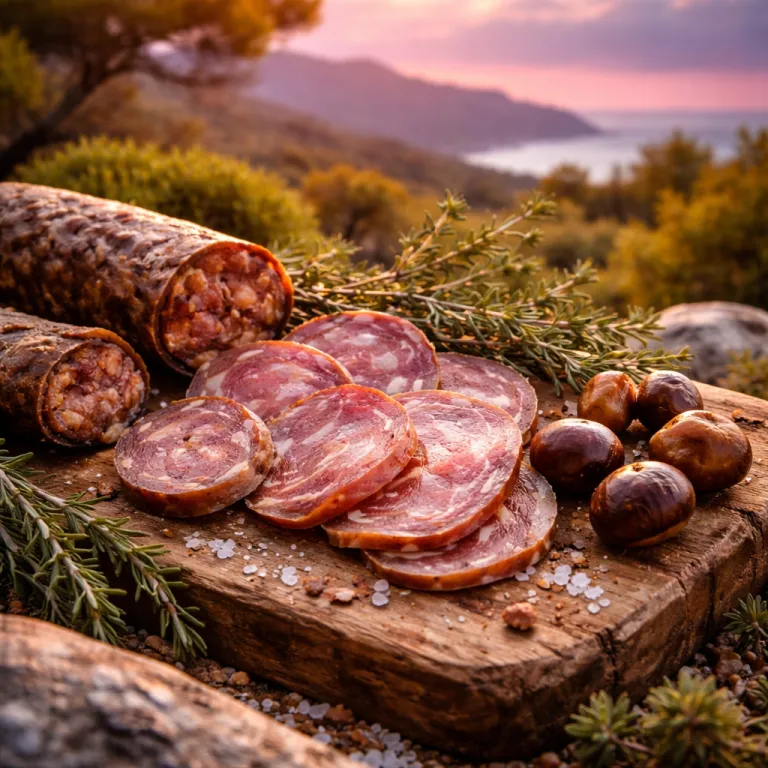
Before you book a room, it helps to understand what you will be tasting. Corsican charcuterie refers to a family of cured meats made from free-range pigs that roam the maquis, eating chestnuts, acorns and wild herbs that define traditional Corsican cuisine. On a well-planned Corsican charcuterie food tour, you will meet prisuttu, a long-aged ham; coppa, the marbled neck; lonzu, the lean loin; figatellu, a smoked liver sausage; and rustic salamu, each with its own texture and taste.
These products are not interchangeable snacks but expressions of specific valleys in Corsica, France, shaped by altitude, humidity and the rhythm of the seasons. Serious producers often work under strict designation of origin rules, and your hotel’s culinary team should be able to explain which charcuterie platter on the menu respects those standards. When a property highlights its links to well-regarded local artisans or family-run salumerie such as U Stazzu in Patrimonio or Charcuterie Costa in Niolu, you can expect a plate that reflects authentic Corsican food rather than anonymous factory-cured meats.
Cheese plays a quiet but essential role in this culinary landscape, especially brocciu cheese made from whey and the firmer sheep’s milk tommes aged in mountain cellars. A thoughtful sommelier will pair these with Patrimonio or Figari wine, creating a wine–food dialogue that feels rooted in the island rather than imported from mainland France. For an elegant deep dive into this style of cooking, look for hotels that collaborate with gastronomic tables in Porto-Vecchio and other coastal towns, where refined cuisine still respects the soul of the family farm and often offers seasonal tasting menus built around chestnut flour, olive oil and Corsican honey.
Where terroir lives: from mountain farms to Cap Corse
The heart of any meaningful Corsican charcuterie food tour lies inland, away from the marinas. Castagniccia, Niolu and Alta Rocca are mountain regions where pigs still roam chestnut groves, and where chestnut flour, Corsican honey and olive oil are pantry staples rather than souvenirs. When you book a luxury stay on a specialist Corsica, France platform, prioritise properties that can arrange guided visits into these valleys rather than only offering coastal excursions.
Several producers now welcome visitors with structured tastings that feel both rustic and carefully curated. Many family farms operate immersive pig-farm visits using all-terrain trailers or 4x4 vehicles, turning a simple farm track into a comfortable travel experience for hotel guests. Local salumerie receive visitors by appointment, offering educational sessions on traditional charcuterie equipment, the role of olive trees in the landscape and how Corsican honey reflects different maquis flowers. Expect to book at least a few days ahead in high season, with tasting fees typically ranging from a modest farm-style plate to more elaborate guided sessions that include multiple wines.
Up north, Cap Corse offers a different but complementary face of Corsican gastronomy, where sea views frame plates of Corsican charcuterie and cheese Corsican specialties. Here, a high-end hotel might organise a combined wine tour and wine tasting in Patrimonio, followed by a drive of around 30 minutes to a family farm for a late-afternoon platter of cured meats and local sheep’s cheese rounds. When reading any property’s experience pages, look for clear references to partnerships with local producers, not vague mentions of “typical food” that could mean anything from frozen fries to imported ham, and check whether transport, tastings and translation are included in the quoted price.
From farm table to Michelin plate: how chefs refine tradition
Luxury travelers often want to move from rustic boards to white tablecloths without losing authenticity. On this island, the best chefs treat Corsican charcuterie as a noble ingredient, folding it into contemporary cuisine while respecting its roots in the mountain villages. A well-designed Corsican charcuterie food tour will therefore alternate between family farm lunches and evenings in Michelin-recognised dining rooms where prisuttu might appear shaved over seasonal vegetables or figatellu reimagined in a delicate sauce.
Many high-end hotel restaurants now build tasting menus around Corsican food, pairing each course with carefully chosen wine from Patrimonio, Ajaccio or Figari. Expect brocciu cheese in both savoury and sweet forms, drizzled with Corsican honey or olive oil, and perhaps a refined take on polenta made with chestnut flour from Castagniccia. When a sommelier speaks about wine–food pairings, listen for references to specific micro-regions of Corsica, France rather than generic “French red” or “island white” descriptions, and do not hesitate to ask for a pairing that highlights a particular charcuterie you have discovered during the day.
Some properties extend this culinary journey beyond the shoreline, collaborating with luxury cruise experiences that bring guests to Corsican ports for focused wine tasting and charcuterie sessions. If you are planning a multi-stop itinerary, consider combining a stay in a coastal palace with a segment of high-end cruising that calls at Corsica’s shores, as highlighted in dedicated guides to luxury voyages. This layered approach lets you experience Corsican gastronomy in multiple contexts, from the quiet of a stone-walled dining room to the deck of a ship anchored off Cap Corse at dusk, with your hotel concierge coordinating reservations and transfers so each step feels seamless.
A two day route for solo travelers in search of serious flavour
Solo travelers booking premium hotels in Corsica often want a route that feels structured yet flexible. Start in Bastia or Saint-Florent, checking into a property that understands gourmet expectations and can arrange a driver for a half-day wine tour in Patrimonio with wine tasting focused on pairings for Corsican charcuterie. In the evening, ask for a plate that brings together lonzu, coppa, prisuttu and salamu with brocciu cheese, sheep’s milk tommes, olives and a drizzle of Corsican honey.
The next morning, head inland towards Castagniccia or Niolu, where the mountain air sharpens every taste and the road winds through chestnut forests. Your hotel concierge can coordinate with local pig farmers or salumerie for guided farm tours that use all-terrain vehicles, making rural tracks accessible without sacrificing comfort. During these visits, you will hear directly from producers about how Corsican charcuterie is made, because “What is Corsican charcuterie?” and “How can I book a charcuterie food tour in Corsica?” are questions they answer daily for curious guests. Allow at least an hour’s drive from the coast to many upland farms, and plan your return so you are back before dark if you are not used to mountain roads.
Return to the coast for a final night in a refined hotel, perhaps near Porto-Vecchio where gastronomic tables signal the island’s culinary ambition. Use this last evening to revisit your favourite Corsican food, whether that means a simple plate of cured meats and olives at the bar or a full tasting menu that threads together wine, honey, olive oil and chestnut flour in a final tribute to the island. Before you leave, remember that “Are these tours suitable for children?” is a common concern; most providers welcome families, but it is always wise to check details and any age guidance when you book through your chosen luxury platform, especially if farm machinery or long walks are involved.
FAQ
How can I book a Corsican charcuterie food tour from my hotel?
The most efficient route is to use your hotel concierge, especially if you are staying in a luxury property that already collaborates with local producers and family farms. Concierges usually handle language, timing and transport, then confirm details that matter for solo travelers, including dietary restrictions and whether a farm visit fits your wider travel schedule. If you prefer to arrange things yourself, local tourism offices across Corsica, France can also connect you with charcuterie producers who welcome visitors, and many farms now require a phone or email reservation at least 24 to 48 hours in advance.
What should I expect during a farm based charcuterie visit?
A typical visit on this island combines a guided walk or trailer ride around the family farm with an explanation of how traditional Corsican pigs are raised in the maquis. You will usually see smoking rooms, drying cellars and the traditional charcuterie equipment used to produce prisuttu, coppa, lonzu and other cured meats. Most visits end with a seated tasting that includes charcuterie, cheese Corsican specialties, bread, olive oil and often a glass of local wine, with prices commonly set per person and sometimes reduced for children.
Are Corsican charcuterie tours suitable for children or non meat eaters?
Many producers welcome families, and several explicitly state that their tours are suitable for children as long as adults supervise them around animals and equipment. Non meat eaters can still enjoy parts of the experience, especially the landscape, the explanation of mountain agriculture and tastings of brocciu cheese, sheep’s milk tommes, honey and olive-based products. However, because charcuterie is central to the visit, it is worth asking your hotel or the producer in advance whether they can adapt the food element for specific dietary needs.
How do I choose a hotel that takes Corsican gastronomy seriously?
Look for properties that speak clearly about Corsican gastronomy, not just generic “Mediterranean cuisine” or “French food” on their restaurant pages. Serious hotels name their partner producers, highlight wine tasting or wine tour options and mention ingredients such as chestnut flour, Corsican honey and olive oil from specific valleys. Reading the experience descriptions and practical information can reveal how closely a property works with local farms and whether your stay will feel genuinely rooted in the island, as well as whether staff can secure reservations at in-demand restaurants during peak season.
When is the best time of year for a Corsican charcuterie focused stay?
Producers across Corsica, France welcome visitors throughout the year, but the atmosphere shifts with the seasons. Cooler months suit hearty charcuterie boards by the fire in mountain inns, while late spring and early autumn are ideal for combining coastal luxury hotels with day trips inland for tastings under the chestnut trees. Whatever the season, booking your Corsican charcuterie food tour in advance through your hotel or directly with producers ensures that small family farms can plan for your visit and offer a relaxed, unhurried experience, and also allows you to check which cured meats are at their peak depending on the traditional winter slaughter and curing calendar.