Corsica off-season travel flights and the new winter air bridge
Corsica off-season travel flights are being reshaped by a bold public subsidy that guarantees 250,000 airline seats on 12 routes during the quiet winter months. According to figures released by the Collectivité de Corse in late 2023, the island is investing around 2.5 million euros per season to secure flights with Air Corsica and Volotea, aiming to turn a short high season into a year round proposition for discerning travelers. For executives planning a trip to Corsica that extends business into leisure, this is the first time winter air access has been treated as a strategic hospitality tool rather than a simple transport issue.
The program focuses on routes linking Ajaccio, Bastia and Figari with nine destinations in mainland France and three international cities, giving airlines a financial safety net if load factors fall below agreed thresholds. Early data from the Bordeaux–Figari route, shared by regional tourism officials, show that the first winter flight launched in November operated at around 85 percent capacity, a strong signal that Corsica winter demand exists when the cost airlines can offer a best price close to 38 euros one way. Are flights to Corsica cheaper in the off-season? Yes, flights are generally cheaper during off-season months, especially on midweek departures and outside school holiday periods.
For luxury and premium hotel booking, this shift in season travel patterns matters more than any single promotion, because reliable flights change how guests plan time on the island. When airlines know that seats are underwritten, they can schedule more winter flights and maintain connections that previously stopped after July August, which opens an opportunity for longer Mediterranean road trip itineraries that combine Corsica Sardinia in one journey. Off-season travel to Corsica during winter months is also supported by a growing ecosystem of online booking platforms and airline websites, which now highlight low cost options alongside flexible business fares; as one Ajaccio hotelier notes, “we can finally tell guests to come in January with the same confidence as in summer.”
What winter in Corsica feels like for luxury travelers
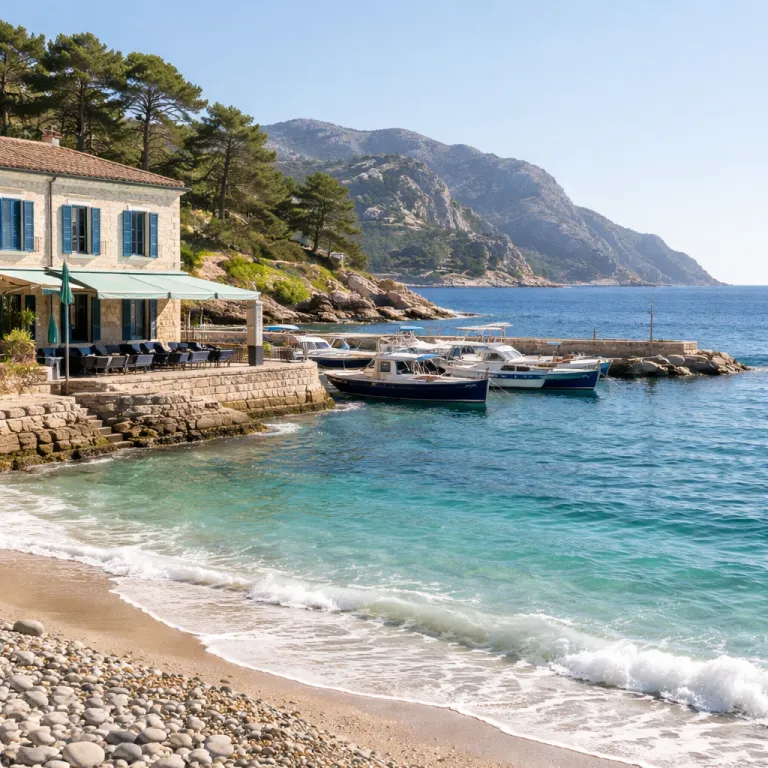
Off-season Corsica is a different island, defined by mild weather on the coasts, quieter roads and a more intimate Corsican rhythm in Ajaccio, Bastia and the villages of Cap Corse. Average temperatures around 10 °C make coastal walks and vineyard visits comfortable during the day, while the mountains still feel like true winter and shape how you plan your trip to Corsica itinerary. Weather is cooler; check forecasts before planning, particularly if you intend to drive mountain passes or explore higher altitude hiking routes.
For guests booking five star properties or high end villas, Corsica off-season travel flights mean that a long weekend can now be planned with the same confidence as a July August stay, but with lower room rates and more attentive service. Some of the Corsica best addresses in Ajaccio and along the Gulf of Valinco keep a leaner équipe open, yet they use the quieter season to showcase traditional Corsican cuisine, private wine tastings and access to local artisans rather than beach clubs. Are tourist attractions open during off-season? Some attractions may have reduced hours or be closed, so it is wise to confirm opening times for museums, heritage sites and coastal restaurants before finalizing a winter itinerary.
In Bastia and Cap Corse, luxury hoteliers report that winter months bring a more France based clientele arriving on direct flight options from mainland France, often combining meetings in Marseille or Lyon with a few days of Mediterranean reset. This is where Corsica off-season travel flights intersect directly with premium hospitality, because guaranteed capacity allows properties to package transfers, private drivers and sustainable luxury transportation into their offers. Check flight schedules in advance, be prepared for limited services and verify weather conditions before travel, especially if you plan to explore inland attractions Corsica such as hilltop villages or chestnut forests that may be harder to reach after heavy rain or early snow.
Impact on luxury hotels, sustainable mobility and the new travel calendar
The subsidy scheme for Corsica off-season travel flights is designed to generate 7 million additional overnight stays and more than 400 million euros in tourist spending, figures that have been cited in regional economic impact studies and local government briefings. If achieved, this would significantly rebalance revenue away from the compressed high season of July August. For luxury hotels, that means a chance to smooth occupancy, retain permanent staff and invest in sustainable services such as electric transfers from Ajaccio Napoleon Bonaparte Airport or hybrid vehicles for island road trip excursions. Off-season travel to Corsica during off-peak months is already associated with fewer crowds, lower prices and more space to enjoy the island’s natural beauty.
From a regulatory perspective, the program sits in a sensitive space for European Union state aid rules, because public money is supporting specific airlines on defined routes between Corsica and mainland France as well as selected international destinations. Local authorities argue that the island’s insular status and the need to maintain year round connectivity justify targeted support, especially when cost airlines are required to keep fares accessible and publish transparent schedules. Is the weather suitable for travel during off-season? Weather is cooler; check forecasts before planning, and allow extra time for connections if your itinerary includes mountain roads or ferry crossings.
For high end travelers, the most tangible change will be in how easily they can align Corsica off-season travel flights with luxury ground services, from chauffeured transfers to spa weekends in seafront properties that now stay open longer into the season. Our own reviews of Corsica’s finest spa hotels show how wellness led stays pair naturally with quieter winter months, when mild weather and softer light flatter the Mediterranean coastline. As more properties adapt their calendars, the island is moving from a short, crowded peak to a more balanced season travel model that rewards those who choose the best time to visit outside summer and who value traditional Corsican hospitality delivered at an unhurried pace, in line with the long term vision expressed by regional tourism officials.