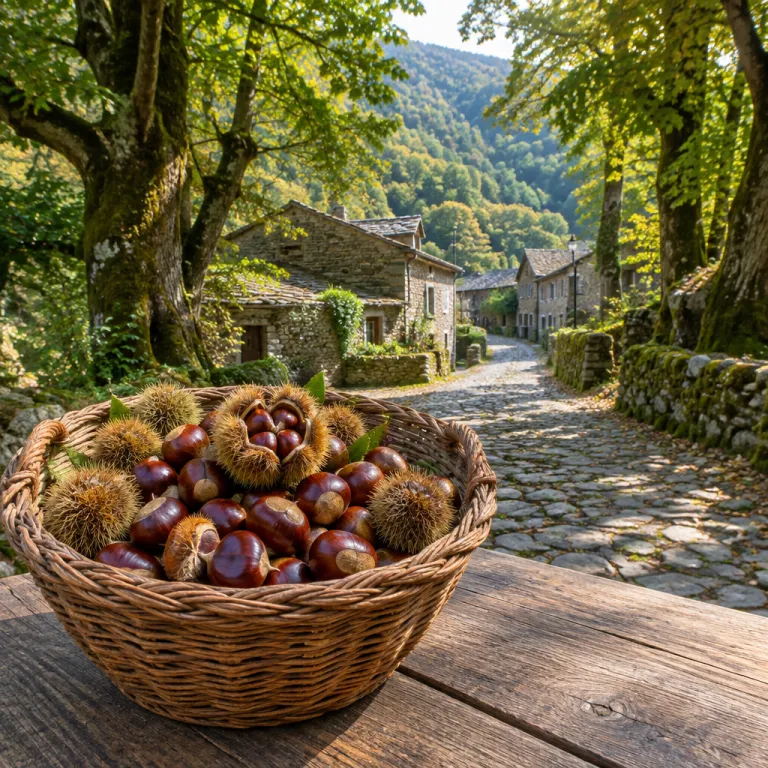
Castagniccia in chestnut season: where luxury follows the trees
Castagniccia in chestnut season is not about poolside cocktails and beach clubs. This inland region of Corsica offers a quieter, more elemental luxury, where chestnut trees shape both the landscape and the rhythm of daily life. For travellers used to the coast, these forest villages feel like a different island entirely.
The Castagniccia region lies in Haute Corse, a densely wooded interior where chestnut forests once fed whole communities. Here the chestnut tree was called the bread tree, because its fruit could be dried, milled into chestnut flour and baked into loaves when wheat failed. Walking between villages, you move through chestnut groves that have supported Corsicans for hundreds of years, long before tourism reached the land.
Luxury in this part of Corsica is measured in silence, space and time rather than in marble lobbies. A stone house above a village square, with a terrace that opens window like a frame onto layered ridges of trees, can feel more indulgent than any seafront suite. The main SEO keyword Castagniccia Corsica chestnut season villages captures this shift perfectly, because the real experience is about staying where people still live by the chestnut harvest.
History written in chestnut forests and mountain villages
To understand Castagniccia, you need to understand the chestnut and its long story on the island. Under Genoese and later French rule, chestnut cultivation was encouraged so that the region could feed itself, and the result was a vast chestnut forest that still cloaks the slopes today. Many villages you see now were built where the chestnut trees grew thickest, because the fruit could be harvested, dried and stored for years.
In these mountain villages of Corsica, the chestnut was more than a fruit ; it was security. Families would gather tonnes of chestnuts Corsica wide, then smoke them slowly before grinding them into fine chestnut flour that kept through harsh winters. When you walk the lanes of a village like Piedicroce or La Porta, you are moving through a living archive of how Corsican chestnut culture shaped both architecture and daily life.
Castagniccia’s forests are dominated by Castanea sativa, the European chestnut tree that still defines this region of Corse. Under its canopy, people raised pigs on fallen chestnuts, baked pulenda from chestnut flour and brewed rustic beers that used the nut’s sweetness. For a deeper sense of inland life, read about the highland Corsica mountain villages worth the drive from the coast on the dedicated guide to five interior villages, then plan to stay long enough to eat chestnuts in several different forms.
From fruit to flour: tasting the harvest in Castagniccia
Arrive in Castagniccia between October and November and you step into the working season of the chestnut groves. The air smells faintly smoky as people dry chestnuts in old stone dryers, and the sound of fruit dropping from chestnut trees echoes through the forest. This is when the Castagniccia region feels most itself, because the land and the table are directly linked.
Chestnut cultivation here still follows rhythms set hundreds of years ago, even if modern equipment now helps with the heaviest work. Families collect Corsica chestnut harvests by hand on steep slopes, then sort the chestnuts carefully before drying them for chestnut flour or keeping them to eat fresh. When you sit down in a small auberge, you might eat chestnuts roasted with wild boar, taste pulenda made from pure chestnut flour or try a local beer that uses the fruit for depth and sweetness.
Many travellers first hear of the island’s chestnut culture through the famous Fiera di a Castagna in Bocognano, often called the Fiera Castagna by locals. While that fair lies outside Castagniccia, the same devotion to the corsican chestnut runs through these villages, from simple cakes to more refined desserts in premium mountain hotels. If you are curious about rural stays where you can wake among chestnut forests, the guide to renting a bergerie in Corsica shows how converted shepherds’ huts now offer discreet luxury in the interior.
Staying in the forest: luxury hotels and mountain retreats
Choosing where to stay in Castagniccia during chestnut season is about proximity to both trees and villages. Instead of large resorts, you will find intimate mountain hotels, renovated stone houses and characterful auberges that sit above the chestnut groves. For a solo explorer, this scale feels personal, and the service often reflects long relationships between hosts and their land.
Many premium properties in this region of Corsica occupy former family homes, where thick walls keep rooms cool in summer and wood stoves warm them when chestnuts fall. A terrace that opens window like a balcony over a chestnut forest can be the highlight of your stay, especially when the late afternoon light turns the trees copper. Some hotels work closely with local producers, serving bread made from chestnut flour, charcuterie from pigs raised under chestnut trees and honey from hives placed at the edge of chestnut groves.
Staying inland also changes how you experience the island as a whole, because you see how different Castagniccia feels from Cap Corse or the beaches near mainland France ferry ports. Here, conversations with Corsicans in the village bar might turn to pasquale Paoli, to years of migration, or to how many tonnes of chestnuts Corsica once exported. For travellers used to coastal glamour, this quieter, chestnut focused luxury offers a richer sense of the region and its people.
Planning a chestnut season escape to Castagniccia
Planning a trip around the Castagniccia Corsica chestnut season villages means thinking in terms of harvest, not high season. The coast is emptying, the island light is softer and the interior region feels like it belongs again to the people who live there year round. For a luxury traveller, that shift brings both privacy and authenticity.
Base yourself in one central village, then use a rental car to explore neighbouring villages and chestnut forests at your own pace. Distances are short in this part of Corse, but the roads are winding, so allow time to stop under chestnut trees, walk into a chestnut forest or talk with locals about how they eat chestnuts today. A good printed or digital guide will help you link Castagniccia with Cap Corse or other inland areas, creating a loop that shows how varied this island can be.
As you move through the castagniccia region, look for traces of how chestnut cultivation still shapes the land, from terraced slopes to abandoned dryers hidden among the trees. You will see how the corsican chestnut remains a quiet constant in daily life, even as tourism grows along the coasts of mainland France and beyond. For many travellers, this is where Corsica feels most itself, in forest villages that still live by the chestnut tree and its enduring harvest.
FAQ about Castagniccia, chestnut season and mountain stays
When is the best time to visit Castagniccia for the chestnut season ?
The chestnut harvest in Castagniccia usually runs from October into November, with chestnuts typically falling from mid October to early November. If you want to see chestnut groves at their most active, plan your stay for late October, when many villages are drying fruit and preparing chestnut flour. Outside these weeks, the forests remain beautiful, but you will miss the full energy of the harvest.
Where should I base myself to explore the Castagniccia villages ?
Choose a central village in the heart of the region, ideally one with easy road access to neighbouring villages and chestnut forests. Staying in a small mountain hotel or converted stone house in a main village allows you to explore nearby hamlets on day trips while returning to comfortable services at night. Look for properties that highlight their connection to chestnut trees and local producers, because they tend to offer the most authentic experience.
What local dishes should I try during chestnut season in Corsica ?
During chestnut season, focus on dishes that use chestnut flour and fresh chestnuts in traditional ways. Pulenda, a dense bread made from chestnut flour and often served with brocciu cheese or charcuterie, is a classic that reflects how people once relied on the bread tree for survival. You will also find cakes, tarts and sometimes beer brewed with chestnut, all of which show how deeply the fruit is woven into Corsican cuisine.
How does staying inland compare with coastal resorts in Corsica ?
Staying inland in Castagniccia offers a quieter, more immersive experience than coastal resorts, especially during chestnut season. Instead of beach clubs, you get walks through chestnut forests, evenings in village squares and direct contact with Corsicans who still live from the land. For many luxury travellers, this slower rhythm and stronger sense of place feel more rewarding than a standard seaside stay.
Is it easy to combine Castagniccia with other regions like Cap Corse ?
It is quite feasible to combine Castagniccia with Cap Corse or other parts of the island if you have a rental car. Distances on Corsica are relatively short, but mountain roads can be slow, so allow generous travel time between each region. A loop that links Cap Corse, the castagniccia region and perhaps one coastal area gives a balanced view of the island’s forests, villages and sea.