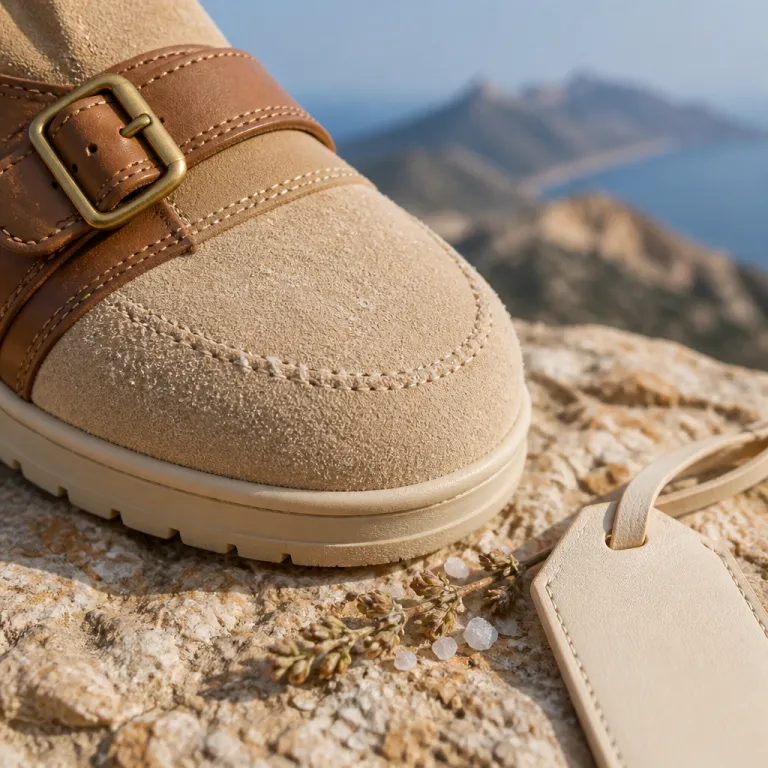
Choosing the right Corsica hiking base when you love luxury
Corsica rewards travellers who choose their hiking base with care. On this rugged Mediterranean island, the contrast between wild granite ridges and refined hotel experiences can turn a simple walk into a curated hiking holiday. When you plan where to stay, think first about the level of walking you want within easy reach and how far you are willing to travel each morning.
For guests who prefer moderate hiking rather than a demanding long-distance trek, coastal towns such as Porto Vecchio or Calvi work beautifully. These areas offer gentle coastal hiking trails in the morning and elegant accommodation with spa facilities in the afternoon, giving you time to unwind between walking days. If you aim for more challenging trail options, staying closer to the interior mountain ranges around Corte or Vizzavona will shorten transfer distance and maximise your time on the trail.
Luxury hotels in Vizzavona, Corte, and near the Aiguilles de Bavella place you near some of the best-rated hiking routes on the island. Properties such as the Grand Hôtel de la Poste in Corte, the Hotel U Castellu in Vizzavona, or Domaine de Murtoli in the south illustrate how premium stays can sit close to serious hiking terrain. From these bases you can follow a classic Corsica hiking trail during the day, then return to a refined hotel restaurant for seasonal cuisine and local wine. When you book, ask clearly about transfer time to the main hiking trails (30–60 minutes is typical for many day walks) and whether the hotel can arrange a private guide, luggage transfers, or a tailored travel planning service.
From spa suites to summit ridges: pairing hotels with Corsica hiking routes
Matching your hotel to specific hiking routes is the most effective way to elevate a trek Corsica holiday. The legendary GR20, often described as one of Europe’s toughest long-distance routes, crosses the island from north to south over about 180 km. According to the Parc naturel régional de Corse (Corsican Regional Natural Park), the full crossing usually takes 12–16 days, with daily stages of 6–8 hours and up to 1,000 m of ascent. Many luxury travellers now sample this experience in curated day stages rather than committing to the full multi-day crossing between every refuge.
Staying in or near Vizzavona allows you to hike a central GR20 section by day, then sleep in a premium hotel instead of a shared mountain refuge dormitory. For example, the Vizzavona–Capanelle stage covers roughly 14 km with around 700–800 m of ascent, making it a full but manageable day for fit walkers. This approach suits guests who want the drama of a challenging trail and steep ascent without sacrificing comfort at night. For travellers who prefer variety, you can alternate a GR20 hike day with canyoning or via ferrata, using a specialist partner such as the operators featured in the Corsica adventure beyond the GR20 guide published by local tourism offices.
The Mare a Mare and Mare e Monti hiking routes lend themselves especially well to luxury staging. Rather than sleeping in every refuge or gîte along the route, you can follow selected hiking trails by private transfer, returning each time to a sea-view suite or mountain spa hotel. Typical Mare e Monti day stages range from 10 to 18 km with 400–900 m of ascent, which fits neatly into a relaxed holiday rhythm. When you plan your days, ask your travel planner or concierge to balance distance, ascent, and technical level so that each hike feels rewarding but still leaves time for a long lunch or a massage.
Family friendly Corsica hiking with premium stays
Families often look for a blend of gentle walking, safe trails, and hotels that understand younger guests. Around Porto Vecchio and the south-east of Corsica, you will find coastal hiking paths with minimal ascent that still offer breathtaking views for all ages. Many of these routes, such as short sections of the customs officers’ path near Bonifacio, can be completed in two to three hours, leaving time for the pool and beach clubs attached to many luxury hotels.
Parents planning a trek Corsica style holiday with teenagers can combine moderate mountain hikes with more adrenaline-focused activities. The Bavella region, with its sculpted Aiguilles de Bavella peaks, offers hiking routes of varying level plus canyoning and adventure parks that keep older children engaged. A typical family-friendly loop here might involve 8–10 km of walking and 400–500 m of ascent, enough to feel like an achievement without exhausting everyone. For inspiration on balancing screen-free days with real excitement, many travellers consult resources such as the guide to Corsica with teenagers produced by regional tourism boards before choosing their accommodation.
When you book a hotel for family hiking trips, check whether early breakfasts, picnic preparation, and flexible dinner times are available. These details matter on days when you need to start a trail early or return late from a longer-distance hike. Ask also about interconnecting rooms or suites, so that everyone sleeps well before another day on the island’s paths, and confirm whether the property offers supervised kids’ clubs or shallow pools for younger children.
Iconic routes for luxury hikers: GR20, Mare e Monti, Cap Corse and beyond
Some routes in Corsica have achieved near-mythical status among hikers. The GR20, managed by the Corsican Regional Natural Park, is a 180 km mountain trail that attracts around 20,000 people each season, and it is often called one of Europe’s toughest hiking routes. For luxury travellers, the key is to sample its most scenic day stages while relying on high-end accommodation instead of basic refuge bunks, using official park descriptions to choose sections that match your fitness and appetite for exposure.
North of the main GR20 corridor, Cap Corse offers a different style of hiking, with coastal paths that circle old Genoese towers and fishing villages. Staying in a refined hotel on Cap Corse allows you to follow a new trail each day, alternating between sea-level walks and short ascent sections to panoramic viewpoints. These itineraries suit guests who prefer moderate distance and who want time for long lunches in harbour-side restaurants or wine tastings in small coastal estates.
On the west coast, the Mare e Monti route links coves, forests, and hilltop hamlets, making it ideal for a curated trek Corsica experience. You can design Conca style itineraries, combining two or three days of walking with transfers back to a single luxury base or a sequence of premium hotels. A specialist travel adviser or concierge can help you choose which hiking routes to follow so that each day offers new scenery without exceeding your preferred level of effort, whether you prioritise sea views, chestnut forests, or historic villages.
High mountain elegance: refuges, shepherd paths and five star comfort
High in the Corsican mountain interior, the atmosphere changes completely from the coast. Here, traditional refuge buildings and shepherd shelters mark the old transhumance paths that still structure many hiking itineraries. Guests who love authenticity can walk these routes by day, then return to a spa hotel that interprets the same heritage in a more refined way, with stone architecture, local fabrics, and menus built around regional produce.
One rewarding option is to base yourself in central Corsica and follow former shepherd routes described in the guide to transhumance routes in highland Corsica published by local authorities. These trails often combine moderate distance with meaningful cultural encounters, such as visits to cheese producers or small chapels. Many of the classic circuits involve 3–5 hours of walking with 300–700 m of ascent, which leaves space for tastings and village visits. When you plan your days, ask your hotel concierge to arrange private transfers so that you can start each hike at altitude and focus your time on the most scenic sections.
For guests who still want a taste of refuge life, some operators organise one night in a well-located mountain refuge followed by several nights in a five-star hotel. This contrast highlights the raw beauty of the island landscape while ensuring that most nights end with fine dining and high thread-count sheets. As the Corsican Regional Natural Park explains in its own materials, “What is the GR20? A challenging 180 km trail across Corsica.” Using this official information as a reference point helps you judge which stages fit your fitness level and how many nights you wish to spend in simple accommodation.
Planning your Corsica hiking season: best time, safety and services
Timing your Corsica hiking holiday correctly is as important as choosing the right hotel. On this Mediterranean island, spring (April–June) and autumn (September–October) usually offer the best time window for comfortable walking, with cooler temperatures and clearer trails. Summer brings longer days but also heat and crowds, while winter can mean snow and ice on the highest mountain sections, especially above 1,800 m.
Luxury travellers often prefer shoulder seasons because services remain fully available while the hiking trails feel quieter. During these months, you can follow a challenging trail one day and a more moderate coastal route the next, adjusting your level according to weather and energy. Always check the latest updates from the Corsican Regional Natural Park, especially for long-distance routes such as the GR20 and Mare e Monti, as official notices may flag temporary closures, water shortages, or refuge capacity limits.
Regardless of season, basic safety rules still apply, even when you return each night to a five-star hotel. Check weather forecasts, wear appropriate footwear, carry sufficient water, and inform someone of your plans before you set out for the day. Many luxury properties now collaborate with local guides and digital map providers, offering GPS devices, printed maps, and pre-departure briefings so that every hike feels both rewarding and secure. For more remote stages, consider satellite messaging devices or organised excursions, particularly if you are travelling with children or have limited mountain experience.
Key statistics for luxury and premium Corsica hiking trips
- The GR20 crosses Corsica for about 180 km, which means that even a single day stage can involve 6 to 8 hours of hiking time for experienced walkers, according to data published by the Corsican Regional Natural Park.
- Around 20,000 people attempt some part of the GR20 each season, so booking accommodation early near Vizzavona, Calenzana, Conca, and other key access points is essential for luxury travellers.
- Spring and autumn are widely regarded as the best time periods for Corsica hiking, because temperatures are milder and the risk of afternoon storms is lower than in peak summer, especially on exposed ridges.
- Central mountain stages of the GR20 can involve more than 1,000 m of ascent in a single day, which is why many premium itineraries shorten the distance and use private transfers to skip the most technical sections.
- Corsica’s main long-distance routes, including the GR20 and Mare e Monti, are managed in coordination with the Corsican Regional Natural Park, which helps maintain trail quality, waymarking, and safety signage for visitors.
FAQ about luxury Corsica hiking and premium hotels
What is the GR20 and is it suitable for luxury travellers ?
The GR20 is a 180 km mountain trail that crosses Corsica from north to south and is often described as one of Europe’s toughest hiking routes. Luxury travellers usually hike selected day stages with private guides, then return to premium hotels instead of sleeping in every refuge. This approach delivers the same breathtaking views and sense of achievement with far greater comfort and flexibility.
Are there easy hikes in Corsica for guests who prefer moderate effort ?
Yes, there are numerous family-friendly and moderate hiking trails across the island, especially along the coast and around lower valleys. Areas such as Porto Vecchio, Cap Corse, and parts of the Mare e Monti route offer shorter-distance walks with limited ascent. These itineraries pair well with luxury accommodation, allowing relaxed half-day outings followed by time at the spa, pool, or beach.
When is the best time to plan a Corsica hiking holiday with premium hotels ?
Spring and autumn generally provide the best time windows for Corsica hiking, with milder temperatures and fewer crowds on the main hiking routes. During these seasons, luxury hotels remain fully operational, and transfers to mountain trailheads are easier to arrange. Summer can still work for coastal hiking and shorter day hikes, but you should start early to avoid the midday heat and check for fire restrictions on exposed paths.
Do I need a guide for hiking Corsica if I stay in a luxury hotel ?
Many experienced hikers tackle moderate routes without a guide, using digital maps and GPS devices provided by hotels or local partners. For challenging trail sections on the GR20 or remote mountain routes, hiring a qualified guide improves safety and enriches your understanding of local culture, flora, and history. Luxury properties often work with trusted local professionals and can arrange private or small-group outings tailored to your level.
How can I combine refuge experiences with high end accommodation on the same trip ?
A popular option is to spend one or two nights in a mountain refuge on a carefully chosen trek Corsica stage, then return to a five-star hotel for the rest of the stay. This balance lets you experience authentic mountain life and sunrise views while still enjoying refined dining and spa treatments on most days. Travel planners and concierges familiar with Corsica hiking can design such mixed itineraries, managing transfers, luggage transport, and reservations so that logistics feel seamless. When you are ready to book, contact your preferred luxury hotel or specialist tour operator with your travel dates, budget range, and desired hiking level so they can build a detailed, price-checked itinerary for you.