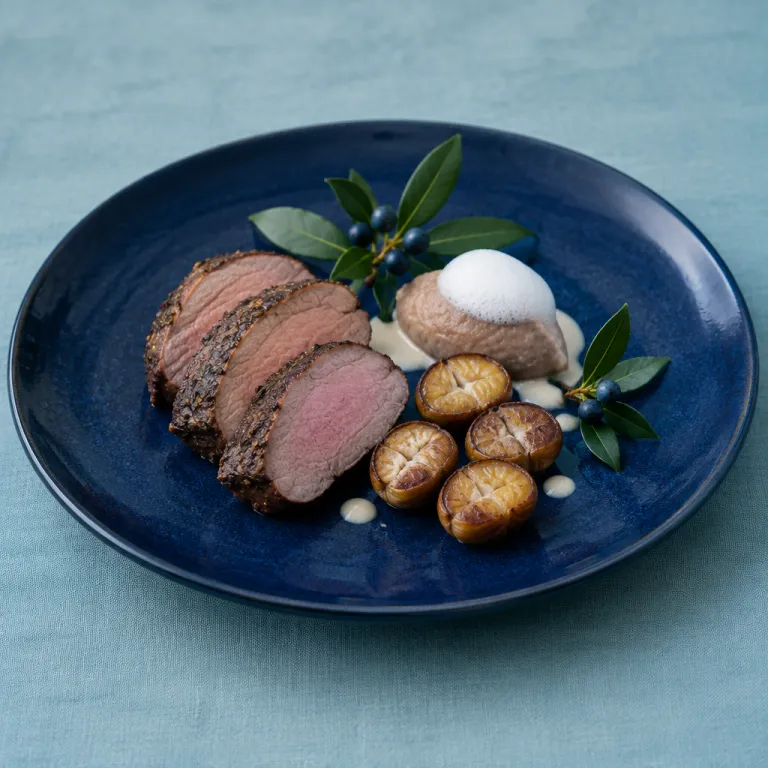
Corsican autumn food wild boar chestnut game as a reason to travel
The shift from beach to table is sharp when autumn reaches Corsica. As the heat softens over the island, the maquis breathes out scents of myrtle, mushrooms and wood smoke that quietly announce a season built around Corsican autumn food wild boar chestnut game. This is when luxury travelers who plan trips around food, not sun loungers, find the island at its most authentic.
Across the chestnut forests that stripe the interior, hunters move at first light and shape the menus you will read that evening. Wild boar and other game return to the heart of Corsican food, while chestnut flour, new olive oil and robust red wine replace the chilled rosé and grilled fish of summer. For people used to mainland France, the contrast feels almost alpine, yet the sea is never far and the maquis keeps its Mediterranean wildness.
Inland villages framed by chestnut trees lean into this rhythm, and time seems to slow around the table. Traditional Corsican families still talk about the years when chestnuts meant survival, and that memory lives on in every fritelli castagnini, every slice of cake made with Corsican chestnut flour. When you book a luxury stay here, you are not just reserving a room ; you are choosing to sit where the island’s food culture is written in real time.
From chestnut tree to plate: how the island’s pantry changes
To understand Corsican autumn food wild boar chestnut game, start with the tree that fed the island for centuries. The chestnut tree once earned the nickname “bread tree” in Corsica, and entire valleys of chestnut trees still structure the landscape from Cap Corse down through the central mountains. Walk these groves in autumn and you hear the soft thud of chestnuts falling, a sound that quietly explains why chestnut flour appears in so many dishes.
That flour becomes pulenta, fritelli castagnini and dense cakes that pair beautifully with brocciu cheese or a drizzle of local olive oil. In the best hotel restaurants, chefs fold chestnut flour into pasta or pastries, then match it with cured meats and a glass of structured red wine from the east coast vineyards. When you read about Corsican cuisine as a signature experience in luxury hotels, this is the season when those promises feel most grounded in place.
Brocciu, the fresh cheese made traditionally from goat milk or sheep milk whey, shifts from light summer salads to richer autumn plates. You will see brocciu cheese baked with herbs, slipped beside boar stew or served warm with chestnut honey that tastes of the surrounding trees. Over the years, this combination of chestnut, brocciu, olive oil and wild herbs has become a shorthand for traditional Corsican hospitality, and luxury properties now build entire tasting menus around it.
Wild boar, civet sanglier and the return of local tables
When the first chill reaches the maquis, Corsican autumn food wild boar chestnut game steps into focus. Wild boar, or cinghiale, is not a token dish here ; it is a central character that shapes how people eat and how chefs think about the year. Hunters bring in boar from the hills above the east coast and inland valleys, and the meat appears as slow cooked boar stew, grilled chops or the deep, wine dark civet sanglier.
That civet sanglier, usually simmered with red wine, myrtle, onions and sometimes chestnut flour, is the dish that tells you summer is over. In many village auberges and high end hotel dining rooms, the same families who cure meats from their pigs also prepare these stews, serving them with polenta like pulenta or with slices of bread fried in olive oil. Order a plate, and you taste not only the wild boar but the maquis shrubs and chestnut forests where it once roamed.
As the visitor numbers thin, restaurants on the island begin to cook again for locals first, not for the rush from mainland France. Aperitif hours shift from beach bars to stone walled lounges, where a glass of red wine or a myrtle liqueur replaces the summer spritz ; it is the perfect moment to understand the apéritif hour in Corsica as part of daily life. Luxury hotels that stay open lean into this mood, offering game focused menus that feel intimate, seasonal and quietly indulgent.
Where autumn cooking comes alive: inland lodges and coastal retreats
Choosing the right base is crucial if Corsican autumn food wild boar chestnut game sits at the heart of your trip. Inland, stone built lodges and mountain auberges near chestnut forests often have their own pigs, their own olive oil and long relationships with hunters who supply wild boar. Stay in these properties and you will likely eat boar stew one night, cured meats the next and a breakfast of brocciu cheese with chestnut jam the following morning.
On the coast, especially along the quieter east coast and up toward Cap Corse, luxury hotels balance sea views with a pantry that still looks inland. Menus might pair grilled fish aux olives with side dishes made from chestnut flour, or offer tasting plates of Corsican cheese alongside local red wine that stands up to game. The best addresses keep their dining rooms open when the crowds leave, serving traditional Corsican recipes to a mix of residents and well informed travelers.
For couples planning a romantic escape, this is the time when hotel staff will happily talk you through the provenance of every cheese and every bottle. Use a curated resource such as the interior focused guide on elevating your Corsican escape to match your preferred atmosphere with the right property. Whether you choose a coastal suite or a room above a chestnut valley, the island will feel smaller, the food richer and the hospitality more personal.
How to order, what to expect: a practical guide for hotel guests
Reading a menu shaped by Corsican autumn food wild boar chestnut game can feel daunting at first glance. Start with the basics : if you see civet sanglier, expect a slow cooked wild boar stew in red wine, often thickened with chestnut flour and served with polenta like pulenta. When the description mentions aux olives, the dish will usually lean on local olive oil and briny green olives that cut through the richness of the meat.
Cheese boards in this season tend to highlight Corsican cheese with character, from fresh brocciu to aged tommes that pair well with chestnuts or cured meats. Ask for brocciu cheese served warm with chestnut honey if you want something gentle yet rooted in the island’s food history. Many hotel restaurants will also offer fritelli castagnini, small chestnut flour fritters, either as a savory side with game or as a dessert with sugar and sometimes a splash of myrtle liqueur.
Wine lists tilt toward structured reds that can stand beside wild boar and other game, though you will still find whites from the east coast and Cap Corse for seafood courses. Do not hesitate to ask staff how long they have worked with a particular producer ; in many properties, relationships with vineyards and farms stretch back years. This is where the luxury lies in Corsica, not in excess, but in the quiet confidence of food that reflects the land, the trees and the people who live with them all year.
Planning an autumn stay in Corsica around the table
Designing a trip around Corsican autumn food wild boar chestnut game means thinking beyond the usual coastal circuit. Consider splitting your time between a coastal hotel and an inland retreat, so you can taste both the sea and the chestnut forests in a single stay. On the island, distances are short, but the shift from shoreline to chestnut trees and maquis covered slopes feels dramatic.
When you book, ask directly whether the property works with local hunters, chestnut millers and cheese producers. A hotel that can speak in detail about its Corsican food sourcing, from pigs raised in nearby valleys to goat milk used for brocciu, will usually deliver a more grounded experience. Over the years, these relationships have become a quiet marker of quality, more telling than any star rating.
Finally, remember that autumn is when the island cooks for itself first. You will share dining rooms with families from mainland France visiting relatives, with hunters trading stories over red wine and with couples who return every year for the same civet sanglier. Sit back, let the staff guide you through the menu, and allow the chestnut, the wild boar, the olive oil and the maquis scented air to define what luxury means in Corsica at this time of year.
FAQ
Is autumn a good time to visit Corsica for food focused travel ?
Autumn is arguably the best season for food focused travel in Corsica, because wild boar, chestnut flour, new olive oil and robust red wine all come into play at the same time. Restaurants and hotel dining rooms shift from summer seafood toward game, stews and chestnut based dishes that locals wait for all year. The island is quieter, so you enjoy more attentive service and a stronger sense of traditional Corsican life.
What typical autumn dishes should I try in Corsican hotels and restaurants ?
Look for civet sanglier, a slow cooked wild boar stew in red wine, often thickened with chestnut flour and served with polenta like pulenta. Many places also serve grilled wild boar, cured meats from free range pigs, and side dishes made from Corsican chestnut flour such as fritelli castagnini. For dessert or cheese courses, try brocciu cheese with chestnut honey or cakes made from chestnut flour that showcase the island’s chestnut forests.
Where should I stay to experience the best autumn food in Corsica ?
For the most immersive experience, combine a stay in an inland lodge near chestnut trees with a few nights in a coastal hotel on the east coast or around Cap Corse. Inland properties often work closely with hunters and small farms, serving wild boar, Corsican cheese and dishes based on chestnut flour. Coastal luxury hotels balance seafood with game and offer strong wine lists, so you can enjoy both the sea and the forest on a single trip.
Do luxury hotels in Corsica cater to dietary preferences during autumn ?
Most luxury and premium hotels in Corsica are used to international guests and can adapt menus for dietary preferences if informed in advance. Even in a season centered on wild boar and game, chefs can highlight chestnut flour dishes, vegetable sides cooked in olive oil and cheese based plates without meat. Communicate your needs when booking, and confirm them again at check in to ensure a smooth experience.
How far in advance should I book for an autumn food trip to Corsica ?
While autumn is quieter than peak summer, the best inland lodges and food focused hotels have limited rooms and can fill quickly. Booking several months ahead gives you more choice of properties that emphasize Corsican food, from wild boar stews to chestnut desserts. Early planning also allows time to coordinate tastings, vineyard visits and special menus built around seasonal game.