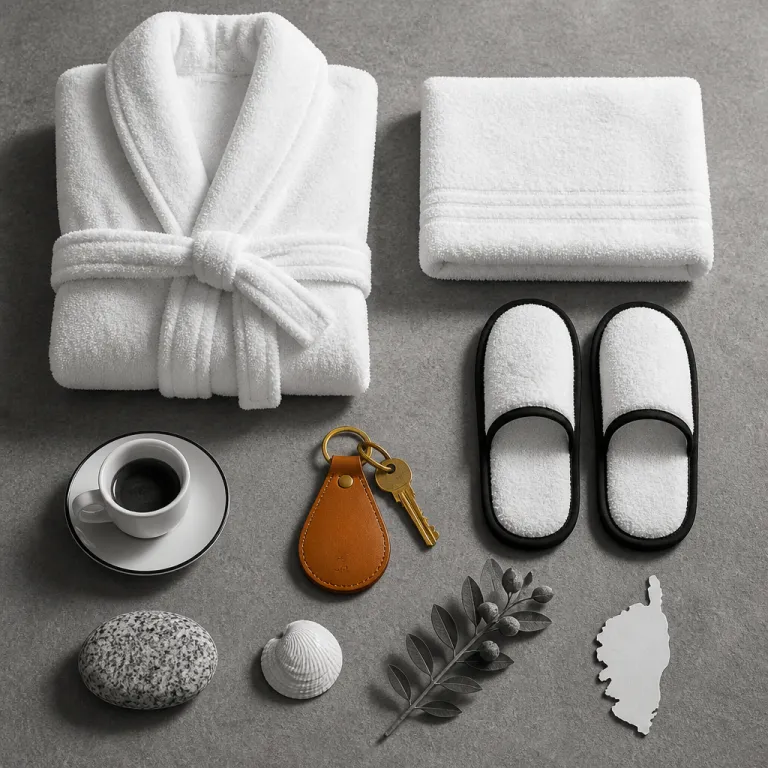
Corsica vs Other French Islands: A Discreet Luxury Benchmark in the Mediterranean
French islands and the quiet power of Corsica’s luxury scene
Among all French islands, Corsica stands apart as an island where luxury feels intimate and deeply rooted in place. While travellers often compare it with the French Caribbean or the faraway Antilles, Corsica offers a different relationship to the sea and to silence. On this island, the best premium hotels are shaped by rugged mountains, translucent water, and a culture that is proudly part of France yet fiercely its own.
France administers numerous islands worldwide, and official records from the French government confirm that the country possesses island territories in the Mediterranean, Atlantic, Indian Ocean, and Caribbean. This wider constellation of French islands includes Caribbean destinations such as Guadeloupe, Martinique, Saint Barthélemy, and the archipelago of Les Saintes, but Corsica remains the main Mediterranean jewel for high-end hotel stays. For travellers comparing one island to another, it helps to see Corsica as the Mediterranean counterpoint to the French Caribbean, with a similar sense of identity but a very different landscape and climate.
Geographically, Corsica sits in the middle of the Mediterranean Sea, between the Côte d’Azur and the Italian coast, yet it feels more remote than its distance suggests. The island’s coastline alternates between wild granite headlands and sheltered beaches, with water clarity that rivals many Caribbean Sea lagoons. This combination of mountain and sea, or montagne et mer on a single île, is what allows luxury hotels here to offer both yacht moorings and high-altitude hiking within the same day.
When you browse a dedicated luxury and premium hotel booking website in Corsica, you are effectively navigating one of the most selective collections among French islands. Many properties are family owned, with generations rooted in this terre corse, which creates a different atmosphere from large chains in the West Indies or in Saint Martin. The result is a style of service that is polished yet personal, where staff know the island’s hidden coves as well as they know the wine list.
For travellers who usually split time between Guadeloupe, Martinique, or even Saint Pierre et Miquelon, Corsica offers a contrasting rhythm. The island’s luxury hotels tend to be smaller in key count than resorts in Guadeloupe, Martinique or on Grande Terre in Guadeloupe, which naturally limits crowds and preserves privacy. This scale also means that when you secure a room or suite, you are reserving a slice of coastline or maquis hillside that feels genuinely exclusive.
Across all inhabited French islands, around 2.28 million people live on roughly 30 islands, according to the Clean Energy for EU Islands initiative (Clean Energy for EU Islands, “Facts and figures on EU islands,” 2020), yet Corsica alone concentrates a significant share of high-end capacity in the Mediterranean. That density of expertise in hospitality translates into refined spa programs, serious wine cellars, and concierge teams who can arrange everything from private water sports sessions to helicopter transfers. For guests, this ecosystem makes the island one of the best choices in France for combining nature, culture, and discreet luxury.
Choosing Corsica over the Caribbean islands for an exclusive stay
Many travellers weighing French islands for a luxury escape hesitate between Corsica and the Caribbean islands. The decision often comes down to how you want to experience the sea, the climate, and the cultural mix during your stay. A premium hotel booking website focused on Corsica can help you understand why this Mediterranean island may suit you better than a long-haul flight to the West Indies.
In the French Caribbean, destinations such as Guadeloupe, Martinique, Saint Martin, Marie Galante, and Les Saintes sit in the heart of the Caribbean Sea, forming part of the historic West Indies and French West Indies. These islands offer warm water year-round, coral reef–protected beaches, and a Creole culture shaped by centuries of trade across the Indies. Corsica, by contrast, lies in the Mediterranean Sea, with cooler but still inviting water in summer and a cultural blend of French and Italian influences anchored in its terre and villages.
On a practical level, Corsica is easier to integrate into a wider trip through France or along the Côte d’Azur, especially if you are already visiting mainland cities. You can pair a stay on the island with time in Provence or on the Riviera, something that is harder to do when you fly to the Caribbean islands or to Saint Barthélemy. For many European travellers, this proximity reduces travel fatigue and allows more nights in a luxury hotel suite instead of in transit.
Weather patterns also shape the type of luxury you experience on different French islands. The French Caribbean, including Guadeloupe, Martinique and the island of Saint Martin, has a tropical climate with a more pronounced wet season, which can affect water sports conditions and visibility. Corsica enjoys a Mediterranean climate, with dry, sun-drenched summers that are ideal for boat charters, coastal hikes, and long lunches overlooking the sea.
Another difference lies in how the coastline is developed across these islands. On Grande Terre and Basse Terre in Guadeloupe, or on the island of Marie Galante, you often find long arcs of sand with resort clusters, while Corsica’s beaches are more fragmented by rocky headlands and maquis-covered hills. This fragmented coastline means that a single luxury hotel can command its own cove or stretch of sand, creating a sense of private island seclusion without leaving the main island.
Travellers interested in slow island travel and more sustainable stays often find Corsica’s rhythm appealing. Regional authorities have been encouraging eco-tourism on French islands, and Corsica’s mix of marine reserves, protected maquis, and small-scale hotels aligns well with that trend. If you want to go deeper into this topic, a detailed analysis of how the island is rethinking its seasonality is available in this guide to slow island travel in Corsica, which is particularly relevant for guests planning longer, more immersive stays.
Exclusive island retreats in Corsica: where to stay for privacy and style
Within the universe of French islands, Corsica excels at creating retreats that feel like private îles within the island itself. The most sought-after luxury hotels often occupy headlands, peninsulas, or secluded bays, giving guests the sensation of being on their own island while remaining close to villages and marinas. When you use a specialized hotel booking website, you can filter for these properties that combine sea views, direct water access, and discreet service.
On the west coast, near the dramatic gulfs and UNESCO-listed cliffs, you will find hotels perched above the Mediterranean Sea with infinity pools that seem to merge with the water. Properties such as Hôtel & Spa des Pêcheurs on the nearby Cavallo Island (around 50 rooms, opened in the 1990s and regularly renovated) or the long-established Hôtel Les Roches Rouges–style cliffside retreats typically offer private pontoons for water sports, from paddleboarding at sunrise to guided snorkelling in marine protected areas where visibility rivals that of the Caribbean Sea. For couples, this side of the island is ideal if you want cinematic sunsets and quieter beaches framed by red granite and dense maquis.
The south of Corsica, around Porto Vecchio and Bonifacio, is where many travellers seeking the best beaches focus their search. Here, white-sand coves and shallow turquoise water recall the French Caribbean, yet the backdrop is pine forest and granite rather than palm-lined coral islands. Luxury hotels in this area, including Grand Hôtel de Cala Rossa (about 40 rooms and suites, family-run since the 1970s with a noted thalasso spa) or Casadelmar (roughly 30 contemporary suites with a two-Michelin-starred restaurant), often provide direct access to the sand, private cabanas, and concierge teams who can arrange yacht charters to nearby îles and hidden inlets.
On the east coast and in the Balagne region, you will encounter a different style of island retreat, where hotels sit between olive groves, vineyards, and the sea. Properties such as La Villa Calvi (around 50 rooms and villas, with multiple pools and a panoramic bar overlooking the bay) are perfect if you want to alternate days on the beaches with visits to hilltop villages, tasting local wines, and exploring the island’s terre agricole. Because the coastline is less built up than on some other French islands, you still find long, quiet stretches of sand even in peak season.
For travellers used to island hopping between Saint Barthélemy, Saint Martin, or Les Saintes, Corsica’s retreats feel more connected to the mainland culture of France while still offering a strong sense of place. You will notice this in the architecture, which often blends stone, wood, and glass to frame views of the sea and mountains rather than towering over them. Many hotels also integrate local materials and artisans, creating interiors that echo the island’s history instead of replicating a generic Caribbean resort style.
If you are considering alternatives to traditional hotels, Corsica also offers an exceptional portfolio of high-end villas and private estates. These properties can rival the privacy of a standalone island such as Île d’Yeu or a small Caribbean île verte, while still giving you access to restaurants, marinas, and cultural sites. For a detailed look at this segment, consult this in-depth insider’s guide to luxury villas and private estates in Corsica, which complements the hotel options presented on premium booking platforms.
How to use a luxury hotel booking website to match Corsica’s regions
Choosing the right region of Corsica is as important as choosing the right hotel, especially when you compare it with other French islands. A well-designed luxury and premium hotel booking website should allow you to filter by coastline, proximity to beaches, access to water sports, and distance from airports or ports. Before you start, clarify whether you want a stay focused on the sea, on villages and terre, or on a balance of both.
Think of Corsica as a collection of micro islands within a single island, each with its own character and rhythm. The Balagne region, for example, offers a blend of sandy beaches and perched villages, while the far south feels closer in spirit to glamorous stretches of the Côte d’Azur. By contrast, the west coast is wilder and more dramatic, appealing to travellers who might otherwise choose remote islands such as Saint Pierre et Miquelon or smaller French islands off the Atlantic coast.
On a booking platform, start by selecting the coastline that matches your priorities, then refine by property type and setting. If you love long days on the beaches with easy access to shallow water, focus on the bays near Porto Vecchio or Calvi, where many hotels sit directly on the sand. If you prefer cliffside views and a sense of isolation, look for properties near Piana or along the Scandola coast, where the sea feels as untamed as on distant Antilles islands.
Filters related to activities are especially useful on a luxury booking website for Corsica. Guests who prioritise water sports can select hotels with on-site sailing schools, diving centres, or private marinas, ensuring that the Mediterranean Sea becomes an extension of the property. Those more interested in gastronomy and wine can focus on hotels with acclaimed restaurants, cellar programs, and easy access to inland villages where the island’s terre and produce take centre stage.
When comparing Corsica with other French islands such as Guadeloupe, Martinique, or Marie Galante, pay attention to how each property integrates its surroundings. In the Caribbean islands, many resorts emphasise lagoon access and coral reef excursions, while in Corsica the emphasis often falls on hiking, coastal drives, and boat trips to nearby îles and coves. A good booking website will highlight these differences clearly, helping you choose between a stay that feels like the West Indies and one that feels distinctly Mediterranean.
Finally, use guest reviews and expert commentary on the booking site to gauge how each hotel manages seasonality, crowd levels, and service consistency. Corsica’s hospitality sector is evolving, and some properties are leading the way in sustainability and guest experience while others are still adapting. For a deeper perspective on these shifts, consult this analysis of Corsica’s hotel industry and what luxury travellers should know, then cross-reference its insights with the options presented on your chosen booking platform.
Comparing Corsica with other emblematic French islands
To understand Corsica’s place among French islands, it helps to compare it with a few emblematic counterparts. In the Caribbean Sea, Guadeloupe and Martinique form the core of the French West Indies, with satellite islands such as Les Saintes, Marie Galante, and the island of Saint Martin adding variety. Off the Atlantic coast of France, islands like Île d’Yeu and Saint Pierre et Miquelon offer very different climates and landscapes, yet they all share a connection to the sea and to French culture.
Guadeloupe is split between Grande Terre and Basse Terre, two islands linked by bridges but offering distinct experiences for travellers. Grande Terre is known for its long beaches, lagoon-protected water, and resort-style developments, while Basse Terre is more mountainous and lush, with rainforests and waterfalls that appeal to hikers. Luxury accommodation here tends to cluster along the coast, with some properties rivaling Corsican hotels in terms of sea views but operating within a more tropical, Caribbean context.
Martinique, sometimes affectionately shortened to Martin in travel conversations, combines volcanic peaks, rum distilleries, and a coastline dotted with coves and beaches. High-end hotels on this island often emphasise Creole gastronomy, rum tastings, and excursions across the terre agricole where sugarcane and bananas grow. For travellers who value cultural immersion as much as water sports, Martinique offers a rich alternative to Mediterranean islands, though the travel time from Europe is significantly longer than a flight to Corsica.
Saint Barthélemy and the French side of Saint Martin are synonymous with yachting, designer boutiques, and a social scene that peaks in winter. These islands attract a clientele that might also consider the Côte d’Azur, yet the setting is firmly Caribbean, with coral reefs, trade winds, and warm water throughout the season. Corsica, by contrast, offers a quieter form of luxury, where the focus is more on landscape, local producers, and the interplay between mountains and sea than on nightlife.
In the North Atlantic, Saint Pierre et Miquelon stands out as a remote French archipelago off the coast of Canada, with a cool climate and a maritime culture shaped by fishing. While it does not compete directly with Corsica for sun-seeking luxury travellers, it illustrates the diversity of French islands and the different ways in which sea and terre define local life. Île d’Yeu, closer to mainland France, offers another example of a small island where cycling, beaches, and simple pleasures take precedence over large-scale resorts.
Across all these islands, from the Antilles to the Mediterranean, France and local island governments share responsibilities for administration and tourism development. Official data from initiatives such as Clean Energy for EU Islands (Clean Energy for EU Islands, “Facts and figures on EU islands,” 2020) indicate that fewer than 30 French islands are permanently inhabited, yet they host a disproportionate share of the country’s coastal tourism infrastructure. For travellers, this means a wide spectrum of choices, but for those seeking a balance of accessibility, refined hotels, and dramatic landscapes, Corsica remains one of the best options.
Practical planning for a luxury stay on Corsica and beyond
Planning a luxury trip to Corsica through a premium hotel booking website becomes easier when you approach it with the same care you would give to a multi-island itinerary. Start by researching transportation options to each island region, including flights to Ajaccio, Bastia, Calvi, or Figari, and ferry routes from mainland France or Italy. Once your arrival point is set, you can align hotel choices with driving times, coastal roads, and the specific beaches or villages you want to experience.
Because Corsica is larger than many other French islands, travel times between regions can be longer than they appear on a map. A drive from the Balagne to the far south, for example, can take several hours along winding coastal or mountain roads, which affects how many bases you should plan. Many luxury travellers choose two or three hotels on the same island, treating each region as a distinct retreat rather than attempting to cover everything from a single property.
When comparing Corsica with Caribbean islands such as Guadeloupe, Martinique, or Marie Galante, factor in the duration and complexity of flights, especially if you are travelling from Europe. A shorter journey to the Mediterranean Sea often means you arrive less fatigued and can immediately enjoy the hotel’s amenities, from the pool and spa to water sports equipment. For long-haul trips to the West Indies or to Saint Barthélemy, you may want to schedule an extra day to adjust before engaging in more active excursions.
Seasonality also plays a crucial role in pricing and availability across French islands. On Corsica, peak demand usually aligns with school holidays, while shoulder seasons can offer excellent value and quieter beaches without sacrificing warm water or sunshine. In the French Caribbean, weather patterns and regional events can shift demand, so using a booking website with flexible date search and clear rate calendars will help you identify the best windows for your budget and preferences.
As you refine your plans, remember that each island, whether in the Antilles, the Mediterranean, or the North Atlantic, has its own customs and regulations. Local island governments often promote sustainable practices, from marine protected areas to waste reduction programs, and luxury hotels increasingly align with these initiatives. Checking how each property engages with its surrounding terre and sea can help you choose stays that match your values as well as your comfort expectations.
Finally, consider how your Corsican trip might fit into a broader exploration of French islands over several years. One year you might focus on the Mediterranean, pairing Corsica with a short stay on the Côte d’Azur, while another year you could turn to the French West Indies, combining Guadeloupe, Martinique, and smaller îles such as Les Saintes or Marie Galante. Approached this way, each island becomes a chapter in a longer story, with Corsica often serving as the benchmark for how luxury, landscape, and culture can align.
Elevating your stay: experiences that define Corsican luxury
What ultimately sets Corsica apart from other French islands is the way experiences are curated around its unique meeting of mountains and sea. Luxury hotels here do more than provide elegant rooms; they orchestrate days that move effortlessly from boat to beach to village. When you use a premium booking website, look beyond room categories and focus on the experiences each property can arrange.
On the water, options range from private yacht charters along the cliffs of Bonifacio to guided kayaking in quiet bays where the Mediterranean Sea is as clear as any lagoon in the Caribbean Sea. Many hotels maintain partnerships with local skippers and dive centres, allowing you to explore nearby îles, sea caves, and marine reserves without having to organise logistics yourself. For guests who love water sports, this integration of services is a key marker of a truly high-end island retreat.
On land, or sur la terre as locals say, the island offers a network of hiking trails, cycling routes, and scenic drives that rival those of any other French island. From the high ridges of the interior to coastal paths overlooking hidden beaches, you can tailor each day’s level of activity to your energy and interests. Many luxury hotels provide guides, picnic baskets, and transfers, turning what could be a complex excursion into a seamless part of your stay.
Gastronomy is another pillar of Corsican luxury, and it differs markedly from the Creole flavours of the Antilles or the French West Indies. Here, menus highlight charcuterie, cheeses, chestnut-based recipes, and wines grown on the island’s own terre, often paired with seafood caught just off the coast. When comparing hotels on a booking website, pay close attention to restaurant reputations, chef profiles, and whether the property offers tasting menus or collaborations with local producers.
Cultural immersion also enhances the sense of place that many travellers seek on French islands. In Corsica, this might mean attending a polyphonic singing performance in a village church, visiting a coastal citadel at sunset, or exploring archaeological sites that predate many Caribbean settlements. Hotels that facilitate these encounters, either through in-house concierges or partnerships with local guides, tend to deliver more memorable stays than those that focus solely on poolside relaxation.
Finally, consider how each property approaches wellness, which has become a defining feature of luxury travel across islands from Saint Barthélemy to Saint Pierre et Miquelon. In Corsica, wellness often incorporates local ingredients such as immortelle, myrtle, and sea salt, used in spa treatments that draw on both Mediterranean and broader French traditions. When a hotel integrates these elements thoughtfully, your stay becomes not just a visit to an island, but a deep engagement with the character of Corsica itself.
Key figures on French islands and Corsican tourism
- Fewer than 30 French islands are permanently inhabited, yet they host a significant share of the country’s coastal tourism infrastructure, according to the Clean Energy for EU Islands initiative (Clean Energy for EU Islands, “Facts and figures on EU islands,” 2020).
- Approximately 2,280,446 people live on these inhabited French islands, illustrating how concentrated island populations are compared with mainland France (Clean Energy for EU Islands, 2020 dataset).
- Corsica is the largest of the French islands in Europe by land area, while Réunion and Guadeloupe are among the largest overseas islands administered by France.
- Eco-tourism and sustainable energy projects are growing priorities across French islands, influencing how new hotels and infrastructure are planned and operated.
FAQ about Corsica and other French islands for luxury stays
What makes Corsica different from other French islands for luxury travel ?
Corsica combines high mountains, wild coastline, and refined hotels in a way that few other French islands can match. Compared with Caribbean islands such as Guadeloupe or Martinique, it offers a Mediterranean climate, shorter flight times from Europe, and a culture that blends French and Italian influences. This mix allows travellers to enjoy both sea-based activities and inland exploration without sacrificing comfort or privacy.
How does Corsica compare with the French Caribbean for beaches and water ?
The French Caribbean, including Guadeloupe, Martinique, and Saint Barthélemy, offers consistently warm water and coral reef–protected beaches, ideal for year-round swimming and snorkelling. Corsica’s Mediterranean Sea is cooler outside summer but remarkably clear in high season, with beaches framed by pine forests and granite rather than palm trees. Many travellers find that Corsica’s combination of mountain views and turquoise coves creates a different, more dramatic coastal experience.
Are all French islands inhabited and easy to visit ?
No, many French islands are uninhabited or have very small populations, and fewer than 30 have permanent residents. Larger islands such as Corsica, Guadeloupe, and Martinique are well connected by air and sea, while smaller îles like Les Saintes or Marie Galante may require additional ferry transfers. When planning a trip, it is essential to research transportation options and seasonal schedules for each island you want to include.
Do French islands like Corsica have autonomous governments ?
Some French islands, including Corsica, benefit from a degree of regional autonomy within the French Republic, while others are governed as municipalities or overseas departments. This autonomy can influence local policies on tourism, environmental protection, and cultural promotion, which in turn shape the visitor experience. For travellers, it means that each island may have distinct regulations, festivals, and development priorities despite sharing a common national framework.
How should I choose between Corsica and Caribbean islands for a luxury holiday ?
The choice between Corsica and Caribbean islands such as Guadeloupe, Martinique, or Saint Martin depends on your priorities regarding climate, travel time, and cultural atmosphere. If you prefer a Mediterranean setting, shorter flights from Europe, and a blend of sea and mountain activities, Corsica is often the best fit. If you value tropical weather, coral reefs, and Creole culture, then the French West Indies may align better with your ideal island escape.
Trusted references for further information
- Clean Energy for EU Islands initiative (Clean Energy for EU Islands, “Facts and figures on EU islands,” 2020)
- French Government official portal (Gouvernement.fr)
- Regional tourism boards for Corsica, Guadeloupe, and Martinique