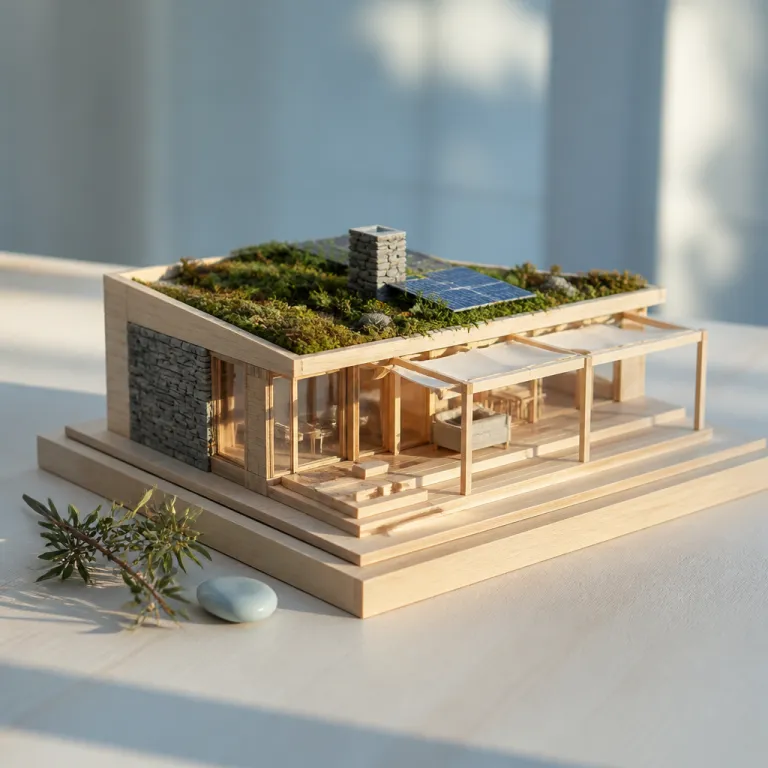
Eco lodge Corsica sustainable luxury stay: where wellness meets wild landscapes
Spring and early summer are the sweet spot for a sustainable luxury stay in an eco lodge in Corsica, when the maquis is in bloom and the beaches are still quiet. On this Mediterranean island, where around 40% of the territory falls within the Parc naturel régional de Corse, the most interesting high-end hotels now treat sustainability as a design brief rather than a marketing slogan. Families arrive looking for sea views and refined comfort, yet they increasingly expect eco friendly operations, transparent prices, and a sense that their presence supports rather than strains the island.
Understanding what a genuine eco lodge in Corsica looks like is essential before you book, because the language of eco hotels and green stays is often borrowed by properties that have changed little beyond the bathroom amenities. According to the Global Sustainable Tourism Council, credible eco accommodation manages energy, water, waste, and local sourcing in a measurable way while protecting the surrounding ecosystem. In practice, that can mean at least 50% renewable electricity, low-flow showers that cut water use by up to 30%, and food purchasing policies that prioritise regional producers instead of importing strawberries out of season.
Look first for third party certifications such as the European Ecolabel, Clef Verte (Green Key), or Green Globe, because these labels audit sustainability claims rather than accepting self declarations. In Corsica France, many hotels now communicate data on their energy mix, water consumption per guest, and waste reduction targets, which allows you to compare eco lodges with conventional hotels on more than just sea proximity and swimming pool size. When you see a lodge highlighting solar panels, water saving fixtures, and recycling programs, you are usually looking at a property that has moved beyond symbolic gestures into structural change.
From Cap Corse to Porto Vecchio: eco lodges with sea views and serious credentials
On the wild finger of Cap Corse, Vista Mare positions itself as an eco lodge style resort with bungalows stepping down towards the sea and a pool and dining area that frame long evening views. The architecture leans into natural materials and low rise volumes, so the lodge feels absorbed into the maquis rather than perched above it, and guests with children appreciate the easy access to the beach without sacrificing a sense of retreat. This kind of Corsican coastal hideaway balances a relaxed atmosphere with discreet service, where the restaurant menu follows local fishing seasons and the swimming pool is filtered with energy efficient systems.
Further south in upper Corsica, Camping Paduella near Calvi and Casa Legna in Pigna both show how eco lodges can deliver comfort without excess, using wood structures, cross ventilation, and shaded terraces instead of aggressive air conditioning. At Casa Legna, ten wooden lodges are scattered among olive trees, and families book larger rooms or linked suites to keep everyone close while still enjoying privacy and quiet mornings. These properties are not traditional luxury hotels, yet they embody low impact values through generous space, natural light, and a slower rhythm that feels aligned with the island rather than imported from distant tropical destinations.
On the east coast, Camping Bagheera and U Casone in Ghisonaccia, along with Sole di Sari near Solenzara, offer eco friendly lodges and tents close to the sea, some with direct beach access and others set back in pine forest for cooler nights. Their prices are often more approachable than a full service hotel spa, yet you still find thoughtful touches such as LED lighting, water saving fixtures, and on site recycling that reduce the footprint of each stay. If you are planning a wellness focused trip, pair one of these nature based stays with a night or two in a refined spa property with sea views and private treatment rooms, using a curated guide to Corsican spa hotels or recent press coverage to choose a hotel that aligns with your sustainability expectations.
Heritage estates, farm stays, and the Murtoli approach to sustainable luxury
High end hospitality in Corsica is increasingly shaped by working estates that treat the land as the main asset, not just a backdrop for infinity pools. The A Mandria di Murtoli property, part of the wider Domaine de Murtoli in the south, is a clear example, with a ten room stone hotel that has been restored using traditional techniques, thick walls, and natural materials that reduce energy needs while preserving character. Here, guests move between the main lodge, scattered villas private enough for multi generational families, and a beach restaurant that feels carved into the dunes, all while the surrounding agricultural land continues to produce olive oil, citrus, and vegetables for the kitchens.
This model of farm stay luxury is spreading across the island, from upper Corsica to the hills above Porto Vecchio and the limestone cliffs near Bonifacio Corsica, where renovated bergerie houses now host families in understated rooms and suites. Children can help collect eggs in the morning, taste local cheeses in the afternoon, and fall asleep to the sound of cicadas rather than traffic, which is a different proposition from a conventional hotel with a crowded swimming pool and a generic buffet. These stays often cost as much as some city hotels, yet the value lies in the combination of privacy, natural immersion, and a direct link between your plate and the surrounding fields.
When you compare these estates with more traditional luxury hotels, the difference is not only aesthetic but structural, because sustainability is built into the business model rather than added as an afterthought. Some properties now publish carbon data, invest in reforestation, and work with local artisans and environmental organizations to maintain trails and dry stone walls, which reinforces both cultural and ecological resilience. Before booking, read independent analyses or recent travel reports on how Corsica’s hotel industry is evolving for luxury travelers this summer, so you can distinguish between a marketing driven eco lodge concept and a property where sustainability and comfort genuinely reinforce each other.
Planning a family friendly eco lodge Corsica sustainable luxury stay this season
For families traveling in late spring or early fall, the island offers a more relaxed rhythm, softer light, and easier access to the best eco lodges without the peak season pressure. This is when you can secure larger rooms or interconnecting suites at properties like Vista Mare, Casa Legna, or À Nassa in Olivese, and still have space on the beach for sandcastles without feeling hemmed in by crowds. Prices tend to be lower outside July and August, and the sea is often warm enough for children to swim, especially on the east coast where shallow bays heat quickly.
Transport is the main carbon question for an eco lodge Corsica sustainable luxury stay, because flights concentrate emissions before you even reach your hotel, while ferries from mainland France or Italy spread the impact across more passengers and allow you to arrive with an electric or hybrid car. Once on the island, choose hotels Corsica wide that encourage low impact mobility, whether through e bike rentals, shuttle services to the beach, or partnerships with local guides who know the maquis trails and coastal paths intimately. If you want to go further, calculate your trip emissions using a reputable carbon calculator and support certified offset projects, while also extending your stay to align with a slow travel approach that reduces the number of long distance journeys you make each year.
Day to day, the most meaningful sustainability choices are often small and cumulative, such as limiting air conditioning, reusing towels, and choosing a restaurant that serves local fish and seasonal vegetables instead of flying in produce from far away. Families can turn these decisions into a gentle learning experience for children, explaining why an eco friendly lodge uses solar panels, why the hotel spa might rely on seawater rather than chemical heavy treatments, and how a natural beach backed by maquis is more fragile than it looks. For a deeper dive into how to align your itinerary with the island’s rhythms, look for guidance on slow island travel that encourages longer stays, fewer moves, and a closer relationship with the landscapes that make Corsica unique.
FAQ
What exactly is an eco lodge in Corsica ?
An eco lodge in Corsica is an accommodation that minimizes environmental impact through design, operations, and sourcing, while still offering comfort and service. Many use renewable energy, eco friendly construction, and waste reduction practices, often verified by labels such as the European Ecolabel or Clef Verte. Practical examples include motion sensor lighting in corridors, composting or bio waste collection for kitchen scraps, and rainwater harvesting systems for garden irrigation.
Are eco lodges in Corsica more expensive than traditional hotels ?
Prices for eco lodges in Corsica vary widely, much like conventional hotels, with some properties positioned at the very top of the market and others closer to upscale camping. You may pay a premium where low density layouts, natural materials, and on site renewable energy increase construction and operating costs, especially in remote areas. However, families often find that larger lodges, kitchenettes, and included nature activities can offset higher nightly rates compared with multiple standard rooms in city hotels.
What amenities can families expect at Corsican eco lodges ?
Most eco lodges in Corsica offer comfortable rooms or cabins, quality bedding, and private bathrooms, with some adding swimming pools, small spa areas, and on site restaurants focused on local cuisine. Nature based activities are common, from guided walks in the maquis to sea kayaking, while children often enjoy the freedom of car free paths and direct access to the beach or riverbanks. Amenities vary by property, so check whether you need air conditioning, kitchen facilities, or specific family services before booking.
How can I check if a Corsican hotel is genuinely sustainable ?
Start by looking for independent certifications such as the European Ecolabel, Clef Verte, or Green Globe, which audit energy use, water management, and waste reduction. Then read how the hotel describes its sustainability measures in detail, including renewable energy, local sourcing, and partnerships with environmental organizations, rather than relying on vague eco language. Finally, compare guest reviews that mention practical aspects like recycling, plastic use, and staff engagement, which often reveal whether the policies are visible in daily operations.
Is it better to reach Corsica by plane or ferry for a greener trip ?
Flying to Corsica usually generates higher emissions per passenger than taking a ferry, especially on short routes where takeoff and landing dominate fuel use. Ferries spread emissions across more travelers and allow you to bring an electric or hybrid car, which can reduce your footprint once on the island if you charge thoughtfully. If flying is your only realistic option, consider staying longer, choosing an eco lodge with strong sustainability credentials, and supporting certified carbon offset projects to balance part of the impact.