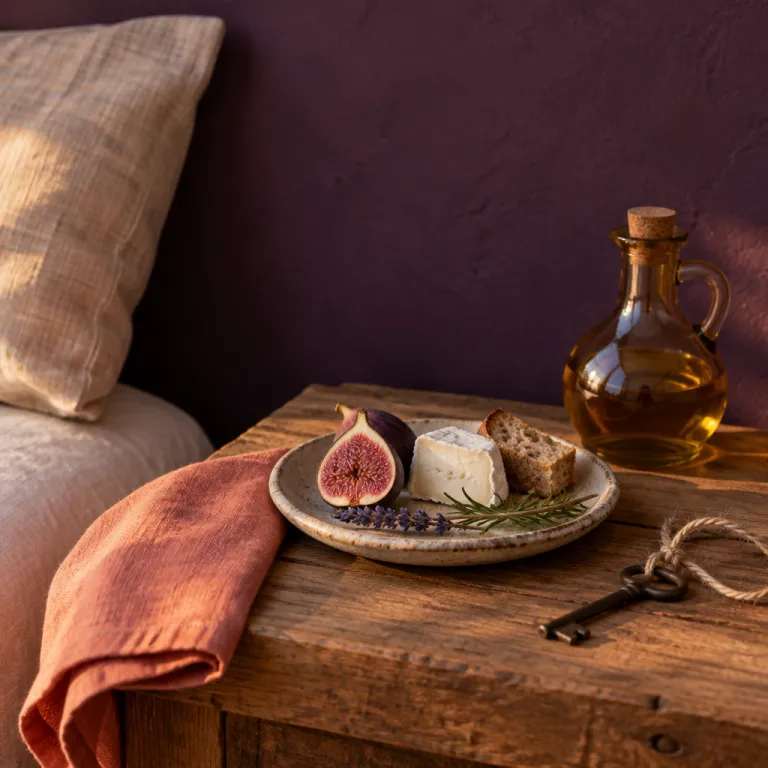
Agritourism Corsica organic farm stay luxury: what it really means in summer
On Corsica, agritourism Corsica organic farm stay luxury feels closer to a mountain refuge than a polished resort. You sleep in former farm buildings where goats graze below the terrace, yet you still expect crisp linen, quiet rooms and a glass of cold rosé waiting after a hot drive. This is not the manicured version of tuscany italy with infinity pools and choreographed truffle hunts, but a rawer island rhythm where the land sets the timetable. Most of these farms sit inland, in the Alta Rocca, the Balagne and the Castagniccia, an hour from the nearest resort town.
Summer is harvest season, so every working farm you stay on is busy with figs, tomatoes, courgettes and herbs moving from acres of fields straight to the farm table. Many of the most atmospheric farm stays operate as simple ferme auberge first and accommodation second, which means dinner is non negotiable and built around ingredients grown a few metres from your chair. The Corsican Agricultural Department estimates that around 15 % of farms are certified organic, and those organic farm pioneers are driving a rise in agritourism focused on sustainability rather than spa menus.
For couples used to the best hotels in mainland france or italy, the luxury here lies in access rather than excess. You might swap a vast pool for a stone basin fed by a spring, or trade a formal pool garden for an outdoor terrace shaded by fig trees and a wild herb garden buzzing with bees. To balance your stay, pair a few rural nights with a coastal hotel from a curated list of French islands of distinction and elevated luxury hotel stays, then retreat inland when the beach crowds peak. Levie, Zonza and Corbara are the villages to look at first if you want a farm within reach of the coast.
From Alta Rocca to Balagne: where to sleep on working farms
The Alta Rocca in southern Corsica is the island’s most convincing answer to agritourism Corsica organic farm stay luxury. Here, Ferme Auberge A Pignata near Levie runs as a genuine working farm, with lamb and charcuterie raised on site and served in generous courses at long wooden tables. Rooms are simple but warm, and the real indulgence is stepping from your bed straight onto a terrace that faces the maquis rather than a car park.
Further north, Balagne has earned its nickname as the island’s garden, and it suits couples who want a softer version of rural life. Raphaëlle's Orchard near Calvi is a family farm producing organic fruit and artisanal products, and while it focuses on day visits, it anchors a cluster of nearby hotels and villas that lean into farm to table dining. Le Potager du Nebbio above Saint Florent is another reference point, an organic farm restaurant where every plate showcases ingredients grown on the surrounding estate, and where you can read the landscape in each course. The practical details are kept current by Visit Corsica, the official Corsican tourist board.
Castagniccia, east of Corte, offers a different mood again, with chestnut forest farms and restored century stone houses scattered across steep hillsides. Here, U Sampolu and similar farmhouse inns serve as rural anchors, pairing traditional rooms with hearty dinners based on chestnut flour, pork and garden vegetables. If you want a coastal counterpoint, consider a few nights in a refined seaside hotel with a private beach from this curated guide to hotels with private beaches in Corsica where sand meets five star service, then head back inland once you have had your fill of salt and sun loungers.
Eating the seasons: from summer gardens to chestnut forests
Staying on an organic farm in Corsica during high summer means living by the garden’s clock. Breakfast might be figs and honey from hives on the same estate, while dinner at a place like Ferme Auberge L'Ortu Di Rotani or Santu Pultru near Sartène revolves around grilled meats and vegetables that were still in the soil that morning. Many properties structure guest activities around this cycle, inviting you to help in the garden at dawn, then cool off in a small pool or natural river basin by late afternoon.
Chestnut country in Castagniccia comes into its own from late summer into autumn, when the forest floor starts to rustle and pigs fatten under the canopy. Here, agritourism Corsica organic farm stay luxury means walking through centuries old groves with a farmer who explains how chestnut flour, cured meats and seasonal cheeses all depend on the same trees. Autumn stays often include visits to small mills, tastings of new season flour and long farm table lunches where every dish, from polenta style pulenta to cakes, is anchored in chestnut.
Wine estates add another layer, especially around Patrimonio and in the Sartène area, where some vineyards now offer rooms or adjacent villas for guests who want to join the grape harvest. These estate stays rarely have a vast pool garden, but they compensate with cellar tastings, vineyard walks and the chance to see how olive oil and wine production intersect on mixed farms. For couples planning around the busiest months, this is where a slow travel mindset helps, and a guide such as the case for slow island travel in Corsica becomes a practical planning tool rather than a manifesto.
How to book agritourism stays and pair them with classic luxury
Many of the most rewarding agritourism Corsica organic farm stay luxury addresses will never appear on major booking platforms. Farmhouse inns such as Auberge Funtana Bianca or U Sampolu still rely on direct calls, emails and referrals from local tourist offices, so you need to be comfortable with a little analogue planning. The upside is access to places where you are one of a handful of guests, not a room number in a large coastal hotel.
Start by sketching a simple map of your route, then layer in two or three nights on a working farm between more conventional hotels. Ortu Tesoru, an organic farm and campsite, suits travellers who like outdoor living and do not mind trading a formal pool for a river swim and a star filled sky. Santu Pultru, with its equestrian centre and traditional cuisine based on on site organic meat, works well as a rural interlude between more polished stays in Porto Vecchio or Bonifacio.
For couples used to scanning lists of best hotels in portugal, spain or south africa, the Corsican approach can feel refreshingly direct. You are here to eat, sleep and live the land, not to chase a long menu of spa features or a vast pool garden with cabanas. As local tourism officials like to remind visitors, "Book accommodations in advance", "Check seasonal availability of activities", and "Prepare for rural settings with appropriate gear" — simple advice that makes the difference between a stressful trip and a quietly luxurious one.
FAQ
What is agritourism in Corsica and how is it different from mainland farm stays ?
Agritourism in Corsica means staying, eating or spending time on a working farm, often with the family who runs it living on site. Compared with many farm stays in tuscany italy or other parts of italy and spain, Corsican properties tend to be smaller, more rugged and more focused on traditional agriculture than on spa facilities. You are closer to the animals, the fields and the daily rhythm of the farm, which is exactly what many couples now seek.
Are Corsican farm stays suitable for families as well as couples ?
Many Corsican farm stays welcome children, especially those that already operate as farmhouse inns or farm to table restaurants. The Corsican Tourism Board notes that "Yes, many farm stays offer family-friendly activities", which typically include feeding animals, short walks in the garden and simple cooking workshops. Couples who want a quieter atmosphere should ask about school holiday periods and choose smaller properties with fewer rooms.
Do I need farming experience to enjoy an organic farm stay ?
You do not need any farming background to enjoy agritourism Corsica organic farm stay luxury experiences. Local initiatives emphasise that "No, activities are designed for all experience levels", so you can join olive picking, vegetable harvesting or vineyard walks with clear guidance. The only real requirement is curiosity and a willingness to adapt to the farm’s schedule.
Can I buy Corsican organic produce directly from the farms where I stay ?
Yes, many organic farm owners in Corsica sell their products directly to visitors at the end of a meal or during a short tasting. Official guidance confirms that "Yes, many farms sell their products directly to visitors", which often includes olive oil, honey, charcuterie, jams and seasonal fruit. Buying on site supports the farm’s economic model and lets you take a tangible piece of the island’s terroir home.
What should I pack for a summer farm stay in Corsica ?
For a summer stay on a working farm, prioritise breathable clothing, a light jacket for evenings, and sturdy shoes for walking between fields and farm buildings. Local advice is clear that "Comfortable clothing, sturdy shoes, and any personal necessities" are essential, especially if you plan to join outdoor activities. Add a reusable water bottle, sun protection and a small torch, as many rural properties have minimal lighting at night.