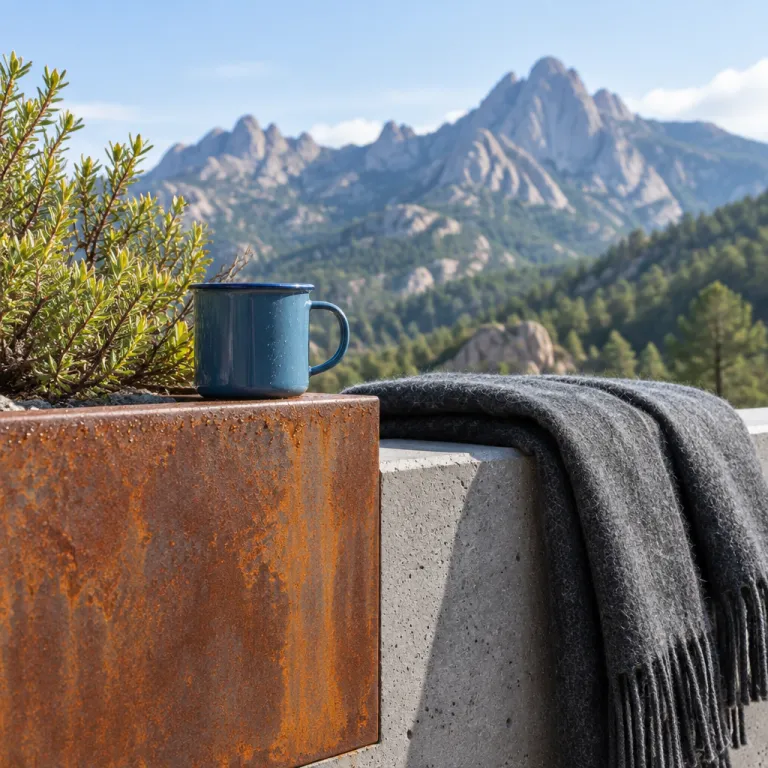
Parc naturel régional de Corse as a luxury mountain playground
The Parc naturel régional de Corse stretches across the mountainous spine of Corsica and shapes every premium stay in the interior. This vast regional natural park covers about 3,500 square kilometres, roughly 40% of the island, creating a continuous protected area where luxury hotels and refined lodges sit between granite peaks and deep forest. Within this parc naturel, you move from high alpine cirques to chestnut villages in a few kilometres, so the contrast between wild nature and polished comfort feels dramatic yet perfectly balanced.
For travellers booking high-end stays, the Parc naturel régional de Corse is less a single park and more a mosaic of micro territories, each with its own character and level of hiking difficulty. The northern slopes around the Fango Valley and the Corsica North ridges feel wilder, while the west coast sectors near the Gulf of Porto combine sea views with steep monte ridgelines and sculpted cliffs. In the south, the Corse Sud interior offers softer contours and pine forest plateaus, ideal for guests who want gentler trails and shorter hikes without sacrificing breathtaking landscapes or access to classic routes.
Because the parc is a designated regional natural park, hotel development is tightly controlled and every new route or trail must respect strict environmental rules. This status protects the nature park from overbuilding and keeps the focus on low-density, high-quality properties that integrate with the surrounding nature. When you choose a luxury hotel inside or on the edge of the Parc naturel régional de Corse, you are effectively buying into a conservation model where your stay supports local communities and long-term stewardship of this remarkable protected area, as outlined by official Parc naturel régional de Corse and UNESCO heritage site guidelines.
Mountain resorts and villages along the high routes
Luxury travellers drawn to the Parc naturel régional de Corse often focus on the high mountain villages that anchor the island’s legendary hiking routes. Names like Corte, Vizzavona, Zonza or the hamlets above the Fango Valley function as gateways to both demanding hikes and curated hotel experiences with spa facilities and panoramic pools. Many premium properties here sit near the start of a classic trail or Mare a Mare and Mare e Monti route, so you can step from a refined breakfast directly onto a marked path without long transfers.
In the central massif, several four- and five-star hotels cluster near Monte d’Oro, Monte Cinto and other top summits, offering quick access to high-altitude hikes while keeping transfers short and comfortable. For example, the drive from Corte to the Monte Cinto sector takes around 60–90 minutes, depending on the chosen valley and trailhead. These resorts understand that guests may want one challenging hike followed by a day at the spa, so concierges often grade each hike by difficulty and arrange private guides who know every forest track, suspension bridge and balcony trail. When you drive inland from the west coast or from the Corsica North shoreline, the final kilometres into these villages can be winding, yet the reward is a quiet, regional Corse atmosphere far from crowded tourist attractions.
For travellers who want to combine coastal elegance with mountain air, it is worth planning a loop that links the parc naturel with the highland villages and the northern peninsula. A practical way to structure this is to spend several nights in refined mountain villages worth the drive from the coast, then continue towards more coastal stays on the northernmost peninsula for a contrasting experience. This north–south itinerary lets you compare the intimate feel of a nature park resort with the maritime charm of coastal mansions, while still staying within easy reach of the main hiking trails and cultural sites of Corsica, including UNESCO-listed viewpoints around the Gulf of Porto.
Iconic trails, hiking difficulty and tailored luxury services
Within the Parc naturel régional de Corse, the hiking offer ranges from short forest walks to multi-day alpine traverses, and this variety is crucial when choosing a luxury hotel. Some guests arrive with the GR20 in mind, while others prefer a gentle hike to a river pool or a panoramic punta with minimal difficulty and maximum comfort. High-end concierges now curate personalised hike menus, listing each route with distance, elevation, terrain type and transfer time from the hotel, often using official Parc naturel régional de Corse and French park services data rather than generic summaries that resemble a Wikipedia entry.
Classic itineraries such as the Mare e Monti, the Mare a Mare and the balcony trails above the Gulf of Porto are often accessible as day hikes from mountain resorts on the west coast. In the Fango Valley, for example, several properties offer guided hikes through the UNESCO-recognised forest and along the river, where the natural pools feel like private spas framed by granite. Around Monte Cinto and other top peaks, hotels can arrange technical hikes with certified guides, while also proposing easier trails through larch forest for guests who prefer a softer approach to nature and want to focus on scenery rather than pure difficulty.
When you compare hotels, pay attention to how precisely they describe hiking difficulty and logistics within the parc naturel and the wider Park Corsica interior. A property that understands the difference between a two-hour family hike and a full-day alpine route is more likely to provide realistic timings, suitable equipment and safe backup options. Many luxury hotels now keep detailed hiking information from official Parc naturel régional de Corse sources, including maps of forest trails and suspension bridge crossings, which helps ensure that your time in this regional natural park matches your expectations and fitness.
From Gulf of Porto to Fango Valley: landscapes and heritage
The western flank of the Parc naturel régional de Corse is one of the most visually striking areas in Europe, and it strongly influences the character of nearby luxury stays. Between the sculpted cliffs of the Gulf of Porto and the deep Fango Valley, Park Corsica reveals a sequence of breathtaking landscapes that shift from red granite to dark forest and then to high monte ridges. Many premium hotels here use large picture windows and elevated terraces so that guests can watch the light change over this nature park from dawn to dusk and appreciate the contrast between sea and mountain.
The Gulf of Porto and its surrounding cliffs form part of a UNESCO World Heritage Site that also includes the Scandola reserve and the Piana calanques, and this status shapes how hotels operate. Boat excursions, coastal hikes and scenic drives along the west coast are carefully regulated to protect the natural environment, while still allowing guests to enjoy some of Corsica’s most dramatic tourist attractions. Inland, the Fango Valley is recognised as a protected area for its river ecosystem and ancient forest, and several high-end lodges here focus on low-impact stays with limited room numbers and discreet architecture that blend into the regional Corse landscape.
When planning your itinerary across the parc naturel and the wider regional natural park, consider how you want to balance sea views with mountain immersion. A north–south route that links the Gulf of Porto, the Fango Valley and the interior villages gives you access to both coastal and highland hikes, each with different levels of difficulty and style. This approach also lets you experience the cultural heritage of regional Corse communities, from stone-built hamlets to small chapels perched on a punta above the forest, all while returning each evening to the comfort of a carefully selected luxury hotel that understands the spirit of this UNESCO heritage landscape.
Practical booking strategy for luxury stays in the parc naturel régional de Corse
Securing the right luxury or premium hotel around the Parc naturel régional de Corse requires more than simply choosing a high star rating. You need to align your preferred style of hike, your tolerance for winding mountain route driving and your expectations for spa, dining and privacy. Start by mapping the main sectors of the natural park, from Corsica North ridges to Corse Sud plateaus, then match each area with the type of trails and tourist attractions you value most, whether that is a balcony trail above the Gulf of Porto or a shaded forest hike in the Fango Valley.
For guests who prioritise challenging hikes and quick access to top summits such as Monte Cinto or other high punta ridges, it makes sense to book in central mountain villages where transfers to trailheads are short. Those who prefer gentler forest walks, river swims and scenic drives along the west coast may favour properties near the Gulf of Porto or the Fango Valley, where the difficulty of most hikes is moderate and the focus is on breathtaking landscapes rather than technical terrain. In every case, verify that the hotel provides early breakfasts, packed lunches, drying rooms for hiking gear and accurate information about the parc naturel and the wider regional natural environment, ideally based on official park documents.
When comparing options on a luxury and premium hotel booking website dedicated to Corsica, look for detailed descriptions that reference the Parc naturel régional de Corse, the nearby nature park sectors and specific trails rather than vague mentions of “mountain views”. Properties that clearly explain their proximity to the natural park, the type of hikes available and the conservation rules of this protected area usually have a stronger relationship with local guides and park authorities. This level of transparency helps you plan a realistic north–south itinerary across Park Corsica, while ensuring that your stay supports the long-term preservation of this exceptional regional natural landscape and its UNESCO heritage site components.
Design, wellness and slow travel in Corsica’s mountain hotels
Luxury hotels around the Parc naturel régional de Corse increasingly embrace a design language that mirrors the surrounding nature rather than competing with it. Stone, chestnut wood and slate roofs echo the traditional architecture of regional Corse villages, while large windows frame the forest, monte ridges and distant punta silhouettes. Interiors often combine contemporary lines with local textiles and artisan ceramics, creating a calm atmosphere that encourages slow travel and deeper engagement with the natural park and its hiking culture.
Wellness facilities in these mountain resorts are tailored to guests who spend their days on demanding hikes or long forest trails. Expect heated pools with views over the parc naturel, saunas that open onto pine slopes and treatment menus using Corsican essential oils such as immortelle and myrtle, which connect spa rituals to the surrounding nature. After a day on a challenging trail or a gentler hike through the Fango Valley, returning to a hammam or a massage room that overlooks the Park Corsica landscape feels both restorative and quietly luxurious, especially when combined with slow-travel rhythms and unhurried evenings.
Culinary experiences also reflect the regional natural context of the Parc naturel régional de Corse, with chefs sourcing from nearby farms and mountain producers. Menus often highlight chestnut flour, brocciu cheese, cured meats and seasonal vegetables, paired with wines from both Corsica North and Corse Sud vineyards. This focus on local ingredients turns each dinner into a continuation of the day’s exploration of the nature park, reinforcing the sense that your stay in this protected area is part of a wider, sustainable relationship with Corsican land and culture and the living heritage of regional Corse villages.
Key figures and practical statistics for planning
- The Parc naturel régional de Corse covers roughly 3,500 square kilometres, representing more than one third of Corsica’s total surface, which explains why so many mountain resorts, hiking trails and classic routes such as Mare e Monti fall within its boundaries.
- Elevation in the natural park ranges from sea level near the Gulf of Porto to 2,706 metres at Monte Cinto, creating a vertical gradient that allows both easy valley hikes and highly technical alpine routes within a relatively short driving distance.
- Several sectors of the parc naturel and adjacent coastal areas, including the Gulf of Porto and the Scandola reserve, are recognised as a UNESCO World Heritage Site, which imposes strict regulations on construction and tourism services to protect these breathtaking landscapes and fragile ecosystems.
- Driving times between the west coast and central mountain villages typically range from 60 to 120 minutes, so travellers planning a north–south or coast-to-interior itinerary should factor transfer durations into their hotel booking strategy and daily hike planning.
- Summer water temperatures in river valleys such as the Fango Valley are often pleasantly cool yet swimmable, making natural pools a comfortable complement to hotel spa facilities after a day of hiking in the Parc naturel régional de Corse and exploring shaded forest trails.
FAQ about luxury stays around the parc naturel régional de Corse
Which areas of the parc naturel régional de Corse are best for luxury mountain hotels ?
The most established luxury options cluster around central mountain villages such as Corte, Vizzavona and Zonza, as well as in valleys leading towards the Gulf of Porto and the Fango Valley. These locations combine access to varied hiking trails with relatively easy road connections from the main coastal towns. They also sit close to key viewpoints and cultural sites within the regional natural park, including routes that form part of the UNESCO heritage site around the west coast.
How difficult are the hikes near high end hotels in the park ?
Hikes near luxury hotels in the Parc naturel régional de Corse range from easy one-hour forest walks to full-day ascents of Monte Cinto or other high punta ridges. Many properties provide graded route descriptions so guests can choose the appropriate difficulty for their fitness and experience. Private guides are widely available for more technical trails or for families who want extra safety, especially on exposed sections, suspension bridge crossings or long balcony trails.
Is it better to stay on the coast or in the mountains when visiting the park ?
Staying in the mountains places you closer to the core of the parc naturel and shortens transfers to major hiking trailheads. Coastal stays near the west coast or Corsica North offer sea views and easier access to boat excursions around the Gulf of Porto and other tourist attractions. Many travellers choose a split itinerary, combining a few nights in a mountain resort with time in a refined coastal property to experience both the nature park interior and the maritime side of Park Corsica.
Do luxury hotels in the parc naturel régional de Corse operate year round ?
Some high-end hotels in the parc naturel and surrounding areas open all year, especially those in larger towns such as Corte, while many seasonal resorts operate mainly from spring to autumn. Shoulder seasons often provide cooler hiking conditions and quieter trails, which can be ideal for guests focused on outdoor activities. Always check opening dates carefully when planning off-peak stays, particularly if you want access to specific routes or guided hikes.
How far in advance should I book a premium hotel near major trails ?
For peak summer and key holiday periods, booking a luxury or premium hotel near popular trails in the Parc naturel régional de Corse several months in advance is advisable. Properties close to iconic routes, UNESCO heritage viewpoints or the Fango Valley tend to fill quickly. Early reservations also give you better choice of room categories and tailored hiking or wellness packages, making it easier to match your stay to the difficulty and style of hikes you have in mind.