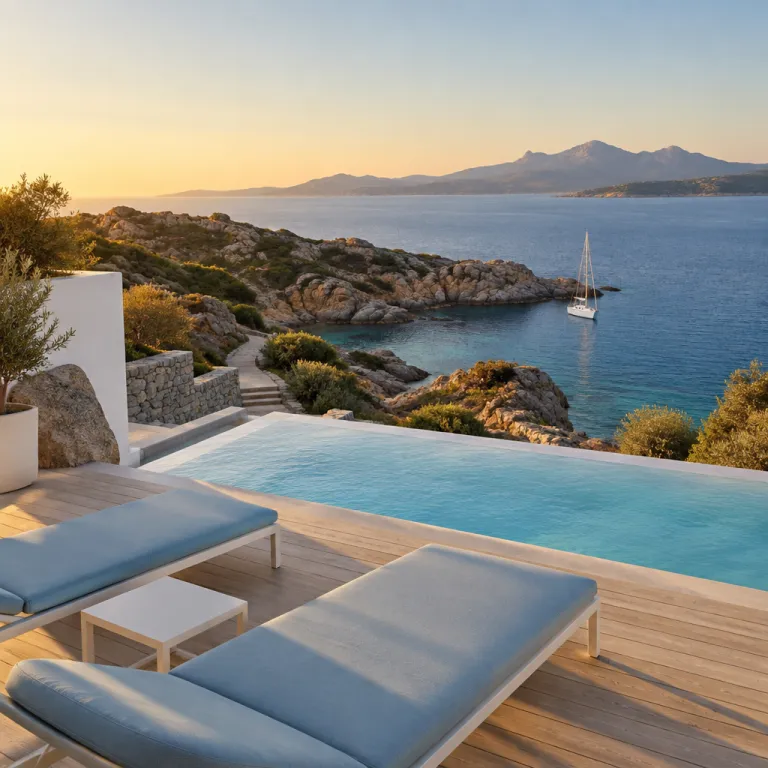
Where is Corsica island and why it matters for your luxury stay
Corsica island sits in the western Mediterranean Sea between France and Italy. This rugged island lies southeast of mainland France and west of the Italian peninsula, perfectly placed for a refined escape. Its strategic position has shaped every Corsican city, from Ajaccio to Bastia, and still defines the rhythm of luxury travel today.
Administratively, Corsica is part of France yet feels like a world apart. The island forms a distinct région called Corse, divided into Haute-Corse in the north and Corse-du-Sud in the south, each offering different atmospheres for premium hotels. When travellers wonder where exactly Corsica island is located, they are really asking how this French territory balances its unique identity with the influence of mainland France and nearby Italian culture.
Geographically, the island rises sharply from the Mediterranean Sea with a dramatic mountain spine. This mountain range creates a mosaic of microclimates and gives many luxury hotels panoramic view lines over crystal-clear bays. Because of this varied relief, you can wake to a traditional Corsican breakfast in the highlands and end the day with your feet in the sea on white-sand beaches.
From Ajaccio to Bastia and Bonifacio: mapping the island’s exclusive coasts
Ajaccio, on the west coast of Corsica, is the capital and a refined gateway for luxury travellers. The city is closely associated with Napoleon Bonaparte, and many premium hotels here frame their design around this imperial heritage. Once you understand where Corsica sits on Mediterranean maritime routes, Ajaccio’s sheltered gulf and clear waters make perfect sense for upscale yachting and elegant seafront stays.
On the opposite side of the island, Bastia in Haute-Corse offers a more intimate, old-port atmosphere. Here the spoken language shifts easily between French, Italian inflections, and the Corsican language, giving the waterfront hotels a cosmopolitan yet traditional Corsican charm. The harbour is also a starting point for private yacht charters that trace the Cap Corse coastline and explore hidden coves, and you can plan such itineraries in detail through a dedicated guide to private yacht charters around Corsica and its hidden coves.
At the southern tip of the island, Bonifacio rises above the Mediterranean Sea on spectacular limestone cliffs. Luxury properties here often highlight the view across the strait towards Sardinia, underlining how close this French island lies to Italian shores. When guests research where Corsica island lies on the map, they are often surprised that Bonifacio feels almost like a bridge between France, Italy, and the wider Mediterranean region.
Interior Corsica: mountain retreats, red deer, and language island culture
Beyond the coasts, the mountain heart of Corsica offers secluded luxury retreats far from the sea breeze. Here, high-altitude hotels overlook forests where red deer roam, and the silence is broken only by cowbells and church bells from stone villages. This interior landscape explains another aspect of where Corsica island is situated, not just on the map but between wilderness and refined comfort.
The island is often described as a language island because the Corsican language has survived alongside French and Italian influences. In many mountain hamlets, the spoken language at the market or in family-run restaurants remains proudly Corsican, while hotel concierges switch smoothly to international languages for guests. This linguistic richness adds depth to any premium stay, especially when staff share stories about traditional Corsican songs, poetry, and recipes.
Many luxury hotels in the Balagne region and central Corse design experiences around this cultural heritage. You might book a suite in a restored stone house overlooking a mountain valley, then join a guided walk where you hear about the Corsican Republic and figures like Pasquale Paoli. Understanding where Corsica island stands historically, between the French government in Paris and local aspirations, helps you appreciate why identity feels so strong in these remote retreats.
South Corsica and Porto Vecchio: beaches, hidden coves, and crystal clear bays
Corse-du-Sud is the part of the island that many luxury travellers picture first, with Porto Vecchio and Santa Giulia as headline names. Here, the Mediterranean climate brings long sunny seasons, and premium hotels cluster around beaches with crystal-clear water and fine sand. When guests search where Corsica island is for a beach holiday, they often end up choosing this southern region for its balance of glamour and calm.
Porto Vecchio combines a historic citadel with a modern marina lined with yachts and refined restaurants. High-end hotels and villas step down towards the sea, offering a view over the gulf and easy access to hidden coves reachable only by boat. To arrive in style at these properties, many travellers consult a specialist guide on how to get to Corsica with style and ease for a luxury stay, comparing private flights, ferries, and helicopter transfers.
Nearby, Santa Giulia beach is famous for its shallow, crystal-clear lagoon and soft white sand. Luxury hotels and villas here often sit just behind the dunes, allowing guests to move effortlessly between infinity pools and the sea. This part of Corse-du-Sud shows another dimension of where Corsica island is positioned, as a Mediterranean playground that still preserves traditional Corsican hospitality and unspoilt landscapes.
History, republics, and ports: how the past shaped today’s luxury coastline
To understand where Corsica island sits in a historical sense, you need to look at its shifting powers. Before becoming part of France, the island was ruled for centuries by the Republic of Genoa, which left fortified ports and watchtowers along the coast. These structures now provide dramatic settings for luxury hotels, especially around Porto, Bonifacio, and the Balagne region.
In the eighteenth century, Corsica briefly formed the Corsican Republic under the leadership of Pasquale Paoli, a period that still inspires local pride. When the French government later integrated the island into France, it brought new institutions while the Corsican language and traditional Corsican customs remained strong. Many high-end properties reference this layered past in their design, blending Italian stonework, French elegance, and local craftsmanship.
Ports such as Porto and smaller fishing harbours along Cap Corse illustrate how geography and history meet. Today, travellers can stay in refined hotels overlooking quays where fishing boats still land their catch, then dine in restaurants serving seafood within hours of landing, as detailed in a dedicated feature on the fishing harbours of Corsica where the catch reaches the plate in hours. This coastal heritage gives context to where Corsica island lies within the wider Mediterranean, positioned on trade routes yet fiercely attached to its own identity.
Practical guidance for booking luxury hotels across the island’s regions
When planning where to stay, start by mapping where Corsica island is relative to your arrival point and preferred experiences. Ajaccio and Bastia work well for travellers arriving by air or ferry who want quick access to urban comforts and sea-view hotels. For those seeking quiet, the mountain villages of Haute-Corse or the Balagne region provide intimate properties surrounded by nature.
On the southern coasts of Corse-du-Sud, Porto Vecchio, Santa Giulia, and Bonifacio concentrate many of the island’s most exclusive addresses. Here, the Mediterranean climate supports long pool seasons, and many hotels offer direct access to beaches or private pontoons for boat transfers. When comparing options, Ajaccio is better for cultural stays and city life, while Porto Vecchio excels at beach-focused luxury with easy access to hidden coves and crystal-clear bays.
Language rarely poses a barrier, because staff in premium hotels usually speak French, English, and often Italian in addition to the local Corsican language. Still, learning a few traditional Corsican phrases can enrich your stay and show respect for the spoken language that defines this island culture. Whether you choose a sea-facing suite or a mountain lodge, understanding where Corsica island lies geographically and culturally will help you select a property that matches your expectations.
Climate, seasons, and when to enjoy Corsica’s luxury side
The island benefits from a classic Mediterranean climate, with hot dry summers and mild winters. This climate pattern means that most luxury hotels along the sea open fully from late spring to early autumn, when beaches and pools are at their best. Guests asking where Corsica island is in relation to weather systems will find it sits far enough south for reliable sunshine yet close enough to France and Italy for easy access.
In summer, coastal areas such as Porto Vecchio, Santa Giulia, Ajaccio, and Bonifacio attract visitors seeking warm sea temperatures and lively marinas. During these months, the mountain interior offers a cooler refuge, and high-altitude retreats become ideal for hiking and wellness stays. Autumn and late spring suit travellers who prefer quieter beaches, softer light, and more availability in top-tier hotels across both Haute-Corse and Corse-du-Sud.
Winter highlights another side of where Corsica island is located, as the mountain peaks sometimes hold snow while the lower valleys remain green. Some luxury properties in the interior stay open year-round, combining spa facilities with access to nature and traditional Corsican gastronomy. Whether you come for the sea, the mountain landscapes, or the layered history between the French government and local identity, timing your trip around the Mediterranean climate will enhance every aspect of your stay on this distinctive French island.
Key figures about Corsica and luxury travel
- Corsica covers about 8 680 square kilometres, making it the fourth-largest island in the Mediterranean Sea after Sicily, Sardinia, and Cyprus (data from the French National Institute of Geographic and Forest Information, IGN).
- The island’s highest mountain, Monte Cinto, rises to 2 706 metres, creating one of the most dramatic elevation ranges of any French region with direct sea access (French topographic surveys, IGN).
- Tourism accounts for an estimated 30 % of Corsica’s GDP, with a strong focus on high-end and seasonal stays compared with many mainland France regions (figures from the Corsican Tourism Agency, ATC).
- Roughly 40 % of Corsica’s coastline remains in a relatively natural state, which helps preserve hidden coves and crystal-clear waters that attract luxury travellers seeking privacy (European Environment Agency coastal reports, EEA).
- Ajaccio and Bastia together handle several million passenger movements per year by air and ferry, underlining where Corsica island sits as a major Mediterranean hub for both French and international visitors (regional transport statistics from the Collectivité de Corse).
FAQ about where is Corsica island and luxury stays
Where is Corsica island located in relation to France and Italy ?
Corsica island lies in the western Mediterranean Sea, about 170 kilometres southeast of mainland France and roughly 90 kilometres west of the Italian region of Tuscany. It is a French territory, officially part of the région called Corse, yet geographically closer to Italy than many parts of France. This position explains why the culture blends French, Corsican, and Italian influences.
Is Corsica part of France or an independent republic ?
Today, Corsica is fully part of France and administered by the French government as the territorial collectivity of Corse. Historically, the island experienced a brief period as the Corsican Republic under Pasquale Paoli after centuries of control by the Republic of Genoa. That legacy still shapes local identity, but for travellers booking hotels, Corsica functions like any other French region in terms of currency, laws, and services.
Which areas of Corsica are best for luxury beach hotels ?
The southern coasts of Corse-du-Sud around Porto Vecchio, Santa Giulia, and Bonifacio concentrate many of the island’s most prestigious beach properties. Ajaccio also offers refined seafront hotels with views over the Mediterranean Sea and easy access to sandy beaches. When choosing, Porto Vecchio is better for resort-style stays and hidden coves, while Ajaccio excels at combining culture, city life, and sea access.
Is it easy to reach Corsica for a premium short break ?
Reaching Corsica is straightforward, with regular flights from major cities in France and seasonal routes from other European hubs to Ajaccio, Bastia, and Figari. Ferries connect the island to mainland France and northern Italy, and some travellers opt for private jets or helicopter transfers for direct access to luxury hotels. Planning ahead using specialist guides on stylish travel to Corsica helps align arrival times with check-in at high-end properties.
Do people in Corsica speak only French, or is there another language ?
Most residents speak French as the official language, but the Corsican language remains widely used in families, culture, and some public signage. In luxury hotels, staff usually speak several languages, including English and often Italian, so communication is rarely an issue. Hearing the local spoken language adds character to a stay and reflects where Corsica island sits culturally, between France, Italy, and its own strong traditions.