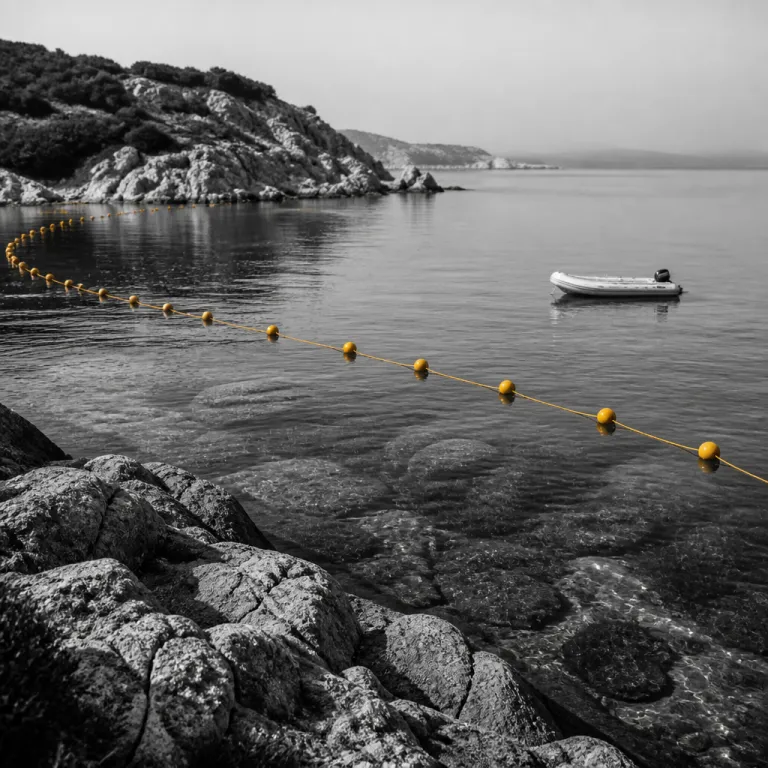
Corsica marine reserve protection and sustainable diving for luxury travelers
Corsica sits in the heart of the Mediterranean, an isle of beauty where the sea still feels wild. For high end travelers, the real luxury now lies in how Corsica’s marine reserves and sustainable diving policies keep that wildness intact while still allowing access. The tension between exclusivity, overtourism and fragile marine life is reshaping how you book hotels, yachts and scuba diving experiences across the island.
The island’s marine protected areas extend over roughly 83 500 hectares, and they are managed with increasing rigor by the Office de l’Environnement de la Corse and the Parc Naturel Régional de Corse. According to the Parc’s 2023 management report (Rapport d’Activité 2023, Parc naturel régional de Corse), this network includes zones with reinforced protection, seasonal closures and regulated anchoring. These actors coordinate marine reserve management, patrols and monitoring systems so that divers, skippers and hoteliers can operate within clear rules. For guests, that means the best dive sites remain pristine, but it also means planning ahead, choosing certified operators and aligning your stay with the new rhythm of protected areas rather than forcing the old high season model.
Luxury hotels from Ajaccio to Porto Vecchio now sell proximity not just to the sea, but to carefully managed marine life and underwater landscapes. A clifftop suite above the Bouches de Bonifacio marine park or a secluded villa near Cap Corse gives you front row access to protected marine zones, yet your footprint can remain light if you follow local guidance. When you see Corsica top properties marketing private access to the sea, ask how they work with nearby nature reserve authorities and whether their concierge team can arrange low impact diving experiences rather than mass market excursions.
Scandola nature reserve and the new rules of access
The Scandola Nature Reserve on Corsica’s west coast is often cited as one of the top dive areas in the Mediterranean. Sheer volcanic cliffs plunge into deep blue water, osprey nest on ledges, and underwater canyons shelter large groupers, moray eels and other emblematic species. This same beauty has attracted intense boat traffic, so Scandola reserve regulations now focus on strict speed limits, mooring bans in sensitive zones and tighter control of dive sites.
For guests staying in luxury properties around Porto, Girolata or north of Ajaccio, this means that a private boat transfer into Scandola nature reserve is no longer a simple add on. Operators must respect access restrictions, and some top dive itineraries are now timed to avoid peak hours when marine life is most stressed. In 2022, for example, the reserve authority capped daily entries for certain coves and increased patrols during July and August to several checks per day. If you are planning a combined business and leisure stay, consider shifting your sea excursions to shoulder months and align them with the slow island travel mindset outlined in this guide to breaking the July August trap in Corsica.
Scuba diving in this marine protected area is still exceptional, but it is curated rather than casual. Expect your captain to refuse anchoring over Posidonia meadows, and do not be surprised if certain underwater pinnacles are off limits on specific days. The best hotels now brief guests on Scandola’s protected areas at check in, explaining why invasive species control, noise reduction and limited access are part of Corsica’s wider conservation strategy rather than an inconvenience. As one Porto based skipper working with the reserve puts it, “Our job is to deliver unforgettable dives without leaving a trace on the reef.”
Bouches de Bonifacio, Lavezzi and the price of transparency
At the southern tip of Corsica, the Bouches de Bonifacio International Marine Park stretches between the limestone cliffs of Bonifacio and Sardinia’s Maddalena archipelago. This is the largest marine protected area in the western Mediterranean, and its transparent water has made it a magnet for yachts, day boats and scuba divers chasing underwater visibility. The same clarity that reveals marine life also exposes anchor scars, crowded moorings and the impact of overtourism on fragile sea grass beds.
The Lavezzi and nearby islets have become a textbook case of success and strain in a single marine park. On one hand, protected marine status has helped many species rebound, with more frequent sightings of large groupers, moray eels and dense schools of smaller fish around rocky dive sites. On the other, summer day trippers arrive in such numbers that authorities now discuss visitor caps, stricter anchoring regulations and more robust management of landing points to keep this nature reserve from tipping into degradation. Internal studies by the park’s scientific council, for instance, have modelled scenarios with daily limits on disembarkations at Lavezzi during peak weeks.
High end hotels in Bonifacio and Porto Vecchio increasingly curate access to these areas through vetted partners who understand local conservation rules and sustainable diving requirements. When you book, ask whether your concierge works with operators engaged in eco certifications such as the European “Pavillon Bleu” label, invasive species monitoring or Posidonia meadow protection. For a deeper look at how these trends intersect with hotel strategy, the analysis of sustainable travel innovations shaping luxury booking in Corsica explains why some properties now limit guest numbers on private boats even when demand is high.
How diver quotas and technology are reshaping bookings
Behind the scenes, Corsica’s marine protected areas rely on a mix of access restrictions, tourist quotas and educational programs to keep pressure manageable. Monitoring systems, patrol boats and discreet signage guide both divers and skippers, while local authorities and environmental NGOs work with tourism boards to align expectations. For luxury travelers, this translates into a more structured approach to scuba diving, where top dive sites are rationed by time slots and certified operators rather than left to chance.
Some of the most coveted underwater routes around Scandola, the Cerbicale islands off Porto Vecchio or the Sanguinaires islands near Ajaccio now operate with daily diver limits. In several communes, pilot schemes have tested caps of 100 to 200 divers per day on specific reefs, with online calendars closing once quotas are reached. This quota system protects marine life, especially slow growing species such as large groupers, and it reduces stress on moray eels and other resident fauna that attract underwater photographers. It also means that last minute requests from a corporate suite or a yacht anchored off Cap Corse may not be possible during peak weeks, no matter how high the budget.
Smart hoteliers have started integrating these constraints directly into their booking engines and concierge scripts. When you reserve a room at a Corsica top property that markets diving Corsica experiences, you may be prompted to pre select preferred days for scuba diving so operators can secure slots in protected areas. In some communes, online platforms now track boat entries and allocate mooring permits, with fines for non registered vessels that can reach several hundred euros under French maritime law and, in serious cases, exceed €1 500 for repeat offences. This is where marine reserve protection becomes a concrete part of your itinerary, not just a line in a brochure, and where the island’s hotel industry faces a reckoning between volume and value as explored in this piece on what luxury travelers should know about Corsica’s hotel industry.
Choosing hotels and operators that respect the sea
For an executive traveler extending a business trip, the simplest way to support Corsica’s marine parks and responsible diving is to choose your base carefully. Properties along Cap Corse, in Ajaccio or near Porto Vecchio that work closely with the Office de l’Environnement de la Corse tend to have clearer protocols for accessing marine protected areas. They brief guests on local rules, recommend small scale operators and often limit group sizes for scuba diving or snorkeling outings.
When comparing hotels, look beyond spa menus and room categories to how each property engages with nearby marine park authorities. Ask whether their preferred dive centers participate in educational programs, help monitor invasive species or contribute data on marine life to the Parc Naturel Régional de Corse. A serious partner will explain why certain underwater arches or caves are off limits, why anchoring is banned over Posidonia meadows, and how protected areas management benefits both nature and long term tourism.
As you plan, keep three simple guidelines in mind that local experts repeat to every guest : "Follow local guidelines", "Respect restricted areas", "Participate in eco-tours". These principles apply whether you are joining a top dive on a remote reef, swimming over sea grass near the shore or simply enjoying the view of a nature reserve from your terrace. In a destination that markets itself as the isle of beauty, the real mark of luxury is how lightly you tread on the underwater world that makes Corsica unique.
FAQ
What are Corsica's main marine reserves for diving ?
The key marine reserves for diving Corsica include the Scandola Nature Reserve on the west coast, the Bouches de Bonifacio International Marine Park in the south and the Cerbicale islands off Porto Vecchio. Each area offers different underwater landscapes, from volcanic cliffs to limestone plateaus and shallow reefs. All are managed as protected areas, so access and scuba diving activities follow specific regulations.
How can tourists help protect these marine areas while staying in luxury hotels ?
Guests can support Corsica marine reserve protection and sustainable diving by booking eco responsible operators through their hotel concierge and respecting all no anchor and no entry zones. Choosing smaller group excursions, avoiding feeding marine life and following briefings on invasive species or Posidonia meadows also reduces impact. Supporting hotels that collaborate with the Office de l’Environnement de la Corse and the Parc Naturel Régional de Corse further strengthens conservation efforts.
Are there penalties for violating marine reserve regulations ?
Yes, authorities can impose fines and restrict access if boats, divers or swimmers ignore rules in protected marine zones. Infractions such as anchoring on sea grass, entering fully closed areas or exceeding speed limits in sensitive corridors are monitored by patrols. Typical penalties for damaging Posidonia or breaching speed limits can range from a few hundred euros to more than €1 500 depending on the severity of the offence. Luxury travelers should rely on reputable captains and dive centers who know the regulations and keep their guests compliant.
Do diver quotas affect how I should plan my trip ?
Diver quotas at top dive sites in Scandola, the Cerbicale islands and other marine protected areas mean that last minute bookings are risky during busy periods. To secure access to the best underwater locations, coordinate with your hotel and preferred dive center well before arrival. This is especially important if you are combining meetings with leisure and have limited flexibility in your schedule.
Is snorkeling less regulated than scuba diving in Corsica's reserves ?
Snorkeling often feels more casual, but it is still subject to the same protected areas boundaries and mooring rules as scuba diving. You must stay within authorized zones, avoid touching marine life and respect any local guidance on currents or sensitive habitats. Hotels that take Corsica marine reserve protection and sustainable diving seriously will brief snorkelers just as carefully as certified divers.