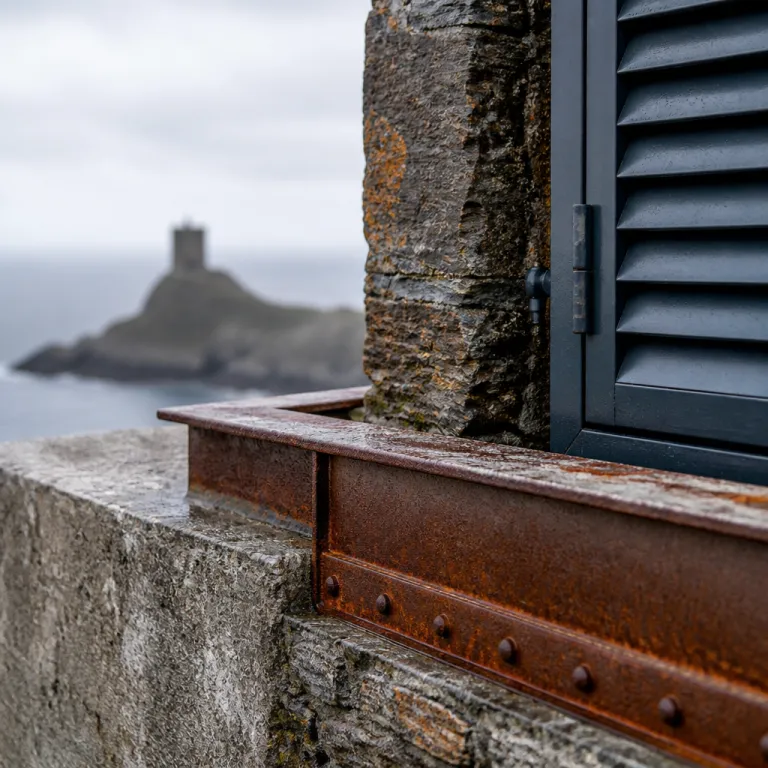
Cap Corse’s character: why this northern peninsula suits luxury stays
Cap Corse is a slender peninsula of roughly 40 km at the very north of Corsica, facing the open sea and Italy. This cap of rugged cliffs and quiet coves offers a refined setting where a luxury hotel feels like a natural extension of the landscape, not an intrusion. The region forms one of the most atmospheric corners of Corsica France, ideal for travelers who value privacy, authenticity, and discreet comfort.
The northern coast combines steep headlands, terraced vineyards, and tiny fishing villages, giving every trip a sense of slow adventure. Official tourism data confirms that Cap Corse is known for “scenic landscapes, historic villages, and wine production”, and this mix shapes the style of its top properties. When you book a hotel here, you are choosing a peninsula where coastal drives, wine tasting tours, and hiking routes are part of daily life rather than occasional excursions.
Bastia, at the southern starting point of Cap Corse, is the main gateway for flights and ferries from mainland France. From this city, the road climbs quickly along the east coast of the island, then curves around the west side and northern coast in a loop that takes about four hours without stops. Many guests rent a car directly in Bastia, because a rental car gives you the freedom to reach remote coves, a hidden pebble beach, or a hilltop village hotel with ease.
Planning a luxury trip around Cap Corse’s coasts and villages
When planning a premium trip to Cap Corse, start by deciding how many day and night combinations you want between the east and west coasts. The east coast is gentler, with longer sandy beach stretches and easier driving, while the west coast feels wilder, with cliffs, a pebble beach tucked under headlands, and more dramatic sunsets. A carefully chosen hotel on each side lets you experience both moods without rushing and keeps transfers pleasantly short.
Most travelers arrive in Bastia, then follow the coast north towards Erbalunga, a charming village that works well as a first-night base. From there, a short tour by car brings you to more secluded hamlets and to the Sentier des Douaniers, the historic customs officers path that now forms one of the best hiking routes in Corsica France. If you are visiting in peak season and want to combine Cap Corse with the south of the island, consult a smart peak-season logistics guide such as the one on late July travel in Corsica before fixing your dates.
Driving clockwise around the peninsula is widely recommended, because you stay on the mountain side of the road rather than the cliff edge. This makes the tour more comfortable for cautious drivers and for guests unused to narrow coastal routes in north Corsica. A rental car also lets you stop spontaneously at a fishing port, a small bell tower above a village, or a family-run winery where you can taste local Cap Corse aperitif wines.
Top luxury hotels near Saint-Florent and the western bays
Saint-Florent, often called the “Saint-Tropez of Corsica”, is the main resort town on the west side of Cap Corse. The village curves around a natural port, with yachts moored beside traditional fishing boats, and several luxury hotel options line the waterfront or hide in the surrounding hills. This is one of the top areas for travelers who want both refined dining and easy access to wild beaches.
Many premium properties near Saint-Florent offer direct access to a sandy beach or a short boat transfer to the Désert des Agriates, where pale sand meets turquoise water. For example, Hôtel La Roya in Saint-Florent sits right on the bay with a landscaped pool, gardens, and rooms that typically start around €280–€350 per night in high season for a sea-view double, while Demeure Loredana overlooks the port with suites, a spa, and an infinity pool facing the gulf, with junior suites often from about €320–€400 in summer. One recent guest at La Roya described waking up to “the sound of the waves and breakfast under the palm trees” as the highlight of their stay. From a hotel here, you can plan a day cruise, a walking tour along the coast, or a wine tasting tour in the Patrimonio vineyards just inland. The combination of a stylish room, a calm swimming pool, and the possibility of freshly caught seafood in the port each evening makes Saint-Florent a strong base for a multi-night stay.
Travelers who wish to combine Cap Corse with the south of the island often split their trip between Saint-Florent and the Porto-Vecchio area. Balancing nights between a hotel in Saint-Florent, a retreat near Santa Maria di Lota on the east coast, and a property near Santa Giulia creates a coherent tour of Corsica France that feels both varied and seamless.
Staying in the authentic villages of Cap Corse’s northern tip
Beyond Saint-Florent, the road curves towards the extreme north of the island, where the atmosphere becomes quieter and more intimate. Here, small villages such as Centuri and Barcaggio host a handful of discreet luxury hotel and guesthouse options, often in restored stone houses overlooking the sea. This part of Cap Corse suits travelers who value silence, sea views, and a slower rhythm.
Centuri Port is one of the most picturesque harbors on the peninsula, known across France for its lobsters and other freshly caught seafood. A stay in or near this fishing port allows you to watch boats return at the end of the day, then dine in waterside restaurants that work closely with local fishermen. Properties such as Hôtel Le Vieux Moulin in Centuri or small boutique guesthouses typically offer sea-view rooms, on-site restaurants, and seasonal rates that range from moderate to upper mid-range depending on category, with doubles often starting around €150–€220 in summer. Several premium properties here arrange private boat tours, so your trip can include hidden coves on the northern coast and quiet swimming stops far from crowds.
From the northern tip, you can see the small rest island of Giraglia offshore, a landmark for sailors and a reminder of Cap Corse’s maritime history. The Sentier des Douaniers continues along this stretch, offering some of the most scenic hiking in Corsica, with alternating views of pebble beach inlets and steep maquis slopes. Choosing a hotel in these villages turns your stay into an immersive walking tour, where each day begins and ends with the sound of waves and the toll of a distant bell tower.
Heritage, towers, and panoramic viewpoints for cultured travelers
Cap Corse is dotted with Genoese towers, churches, and chapels, giving a cultural depth that pairs well with luxury hospitality. One of the most famous landmarks is Tour Sénèque, a ruined tower perched high above the west coast, linked to the Roman philosopher Seneca by local legend. Reaching this site involves a short hiking route from the road, and many hotel concierges will arrange a guided tour for guests or suggest the best time of day for the ascent.
Another essential stop is Moulin Mattei, a restored windmill near the northern tip of the peninsula, offering a sweeping view over both the west side and east side of Cap Corse. From this vantage point, you see how the peninsula narrows, with the northern coast dropping steeply to the sea and the island of Corsica stretching south towards Bastia. Many travelers time their visit for late afternoon, then return to their hotel for a relaxed evening, turning the outing into a highlight of their trip.
Religious heritage also shapes the character of Cap Corse, from the church of Santa Maria Assunta in the village of Canari to small chapels above the coast. These sites, often marked by a simple bell tower, provide quiet pauses between more active adventures such as a walking tour or a coastal drive. If you are combining Cap Corse with the south, you can echo this blend of culture and sea by staying near Santa Giulia Bay, using a curated guide to refined seaside stays on Corsica’s south coast as a reference.
Practical booking advice for luxury and premium hotels in Cap Corse
Choosing the right hotel in Cap Corse starts with clarifying how you want to balance coast, village, and countryside. If you prefer to wake up by a sandy beach, focus on properties near Saint-Florent or the gentler east coast, where access to the sea is easier. Travelers who prioritize quiet evenings and starry skies might prefer a stone house hotel in a hilltop village overlooking the west coast or northern coast.
Because Cap Corse is relatively small, many guests design a tour that includes two or three bases rather than changing hotel every day. A typical premium itinerary might begin in Bastia, continue to a hotel near Saint-Florent, then end with two nights near Centuri Port or another fishing port at the northern tip. This pattern reduces packing stress while still allowing you to explore the Sentier des Douaniers, the main hiking routes, and the key heritage sites such as Tour Sénèque and Moulin Mattei.
When booking, pay attention to parking, because a rental car is almost essential for reaching the more remote parts of the peninsula. Confirm whether your chosen hotel can arrange private boat trips, guided walking tours, or transfers to and from Bastia, especially if you are arriving late in the day. For travelers combining Cap Corse with the south of the island, aligning hotel bookings with ferry or flight times in France and Italy will keep the overall trip smooth and relaxed.
Designing a themed luxury stay: wine, hiking, and coastal adventure
Cap Corse lends itself beautifully to themed luxury stays, where your hotel choices support a specific passion. Wine enthusiasts can base themselves near the Patrimonio vineyards, just inland from Saint-Florent, and spend each day visiting estates that produce the famous Cap Corse fortified wines. Many premium properties in this area offer tastings on site, so you can sample local bottles without leaving the hotel terrace.
For hiking focused trips, consider a hotel close to the Sentier des Douaniers or to the starting point of marked trails above the west side of the peninsula. From these bases, you can plan a walking tour each day, linking villages, chapels, and viewpoints such as Tour Sénèque or Moulin Mattei, then return to a spa or pool in the late afternoon. The contrast between rugged paths and refined comforts is one of the reasons Cap Corse appeals so strongly to active travelers who still want high service standards.
Coastal adventure fans might prefer to stay near a port such as Saint-Florent or Centuri Port, where boat charters are easy to arrange. A typical day could include a cruise along the northern coast, swimming off a sandy beach or pebble beach, and a lunch of freshly caught fish in a small fishing port before returning to your hotel. With careful planning, your trip will feel like a seamless progression around the cap of Corsica, linking the best of the island’s nature, culture, and hospitality.
Key figures and travel statistics for Cap Corse
- Cap Corse is approximately 40 km long from Bastia to its northern tip, making it compact enough to drive around in a single day while still offering varied landscapes (source: Institut national de l’information géographique et forestière, IGN, official mapping data for Corsica).
- The peninsula includes 18 communes, each with its own village character and heritage sites, which helps explain the diversity of hotel styles and settings within a relatively small area (source: French administrative records for the communes of Cap Corse, data consolidated by INSEE and local authorities).
- The resident population of Cap Corse is around 6,700 people, meaning visitor numbers in peak season can temporarily exceed local inhabitants, so advance booking of luxury and premium hotels is strongly recommended (source: Institut national de la statistique et des études économiques, INSEE, latest available demographic statistics for the Cap Corse area).
- Driving the full loop of Cap Corse takes about four hours without stops, but most travelers extend this to a full day or more to allow for beach breaks, walking tours, and meals in ports such as Saint-Florent and Centuri Port (source: regional tourism offices and official road distance calculations for Corsica France).
- Local tourism strategies emphasize sustainable practices, including the preservation of historic villages and Genoese towers, which benefits guests seeking authentic stays in restored properties rather than large resort complexes (source: Corsican tourism and cultural heritage organizations, including the Collectivité de Corse and Cap Corse heritage bodies).
FAQ about luxury and premium stays in Cap Corse
What is Cap Corse best known for among luxury travelers ?
Cap Corse is best known for its combination of dramatic coastlines, historic villages, and discreet high end accommodation. The peninsula offers a quieter alternative to busier Corsican resorts, with easy access to both sandy beach and pebble beach coves. Many luxury guests appreciate the mix of wine estates, coastal hiking, and refined dining in ports such as Saint-Florent and Centuri Port.
How long should I stay in Cap Corse for a premium experience ?
A minimum of three nights allows you to sample both the east and west coasts, but five to seven nights give a more relaxed rhythm. With a longer stay, you can divide your time between a hotel near Saint-Florent, a property in a northern village, and perhaps a night in Bastia. This structure lets you enjoy coastal drives, walking tours, and boat trips without rushing each day.
Is it necessary to rent a car for a luxury trip in Cap Corse ?
Renting a car is strongly recommended, even for guests staying in full service hotels. Public transport is limited, and many of the most beautiful coves, viewpoints, and villages lie off the main routes. A rental car gives you the flexibility to explore the Sentier des Douaniers trailheads, remote fishing ports, and panoramic sites such as Moulin Mattei at your own pace.
Are there good hiking options near luxury hotels in Cap Corse ?
Yes, several luxury and premium properties sit close to excellent hiking routes. The Sentier des Douaniers runs along much of the coast, and inland trails lead to towers such as Tour Sénèque and viewpoints above the west side of the peninsula. Many hotels can arrange guided hikes or provide detailed maps for self guided walking tours.
Can I combine Cap Corse with other parts of Corsica in one trip ?
Combining Cap Corse with the south of the island is a popular strategy for luxury travelers. A common itinerary links Bastia, Saint-Florent, and the northern villages with a second phase around Porto-Vecchio and Santa Giulia Bay. Planning hotel bookings and transfers carefully ensures that your overall tour of Corsica France feels coherent, with each region adding a distinct layer to the experience.
Sources : IGN official geographic data for Corsica ; INSEE demographic data for Cap Corse ; French administrative records for the communes of Cap Corse ; Corsican regional tourism and cultural heritage organizations.